A first show can become a lasting connection
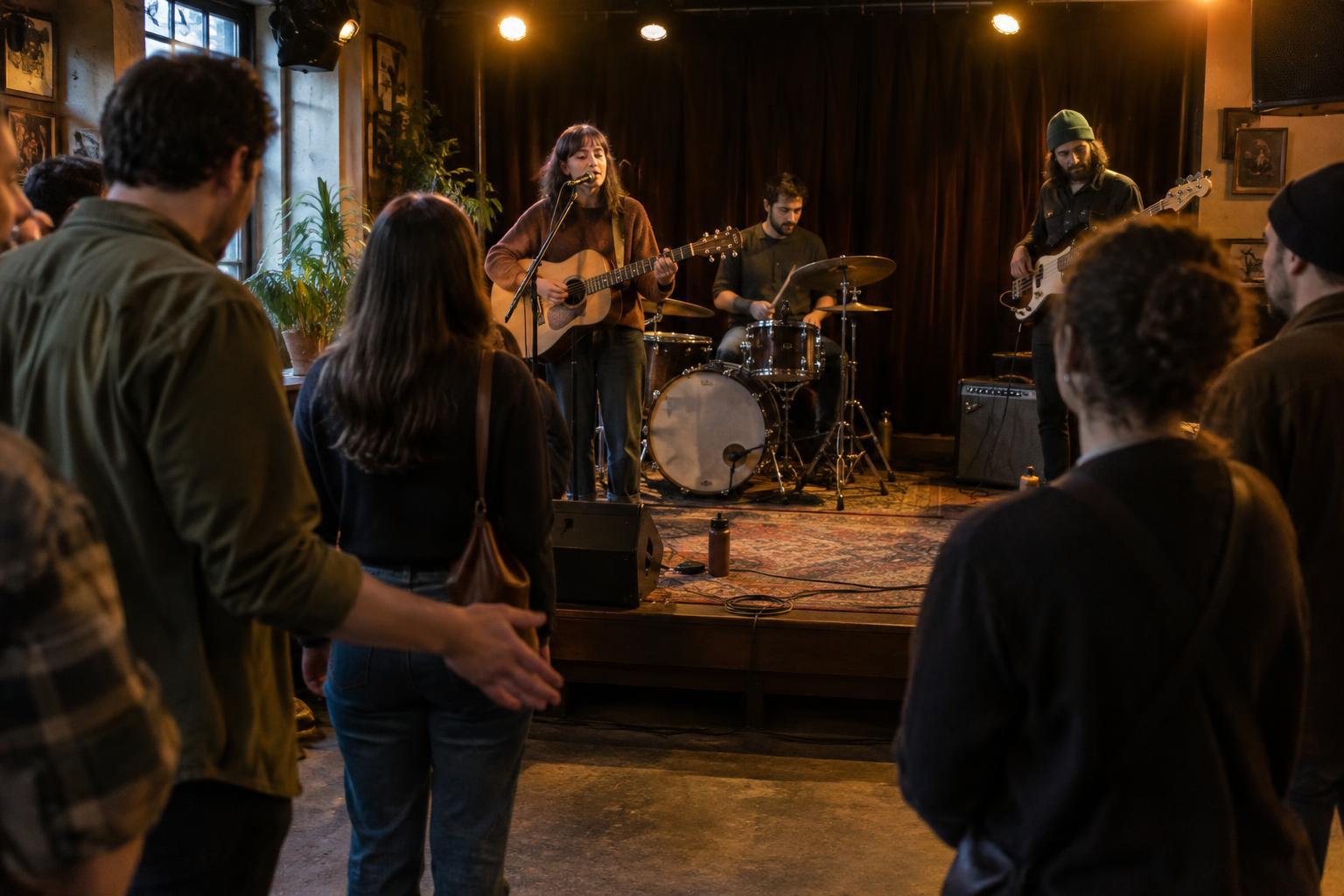
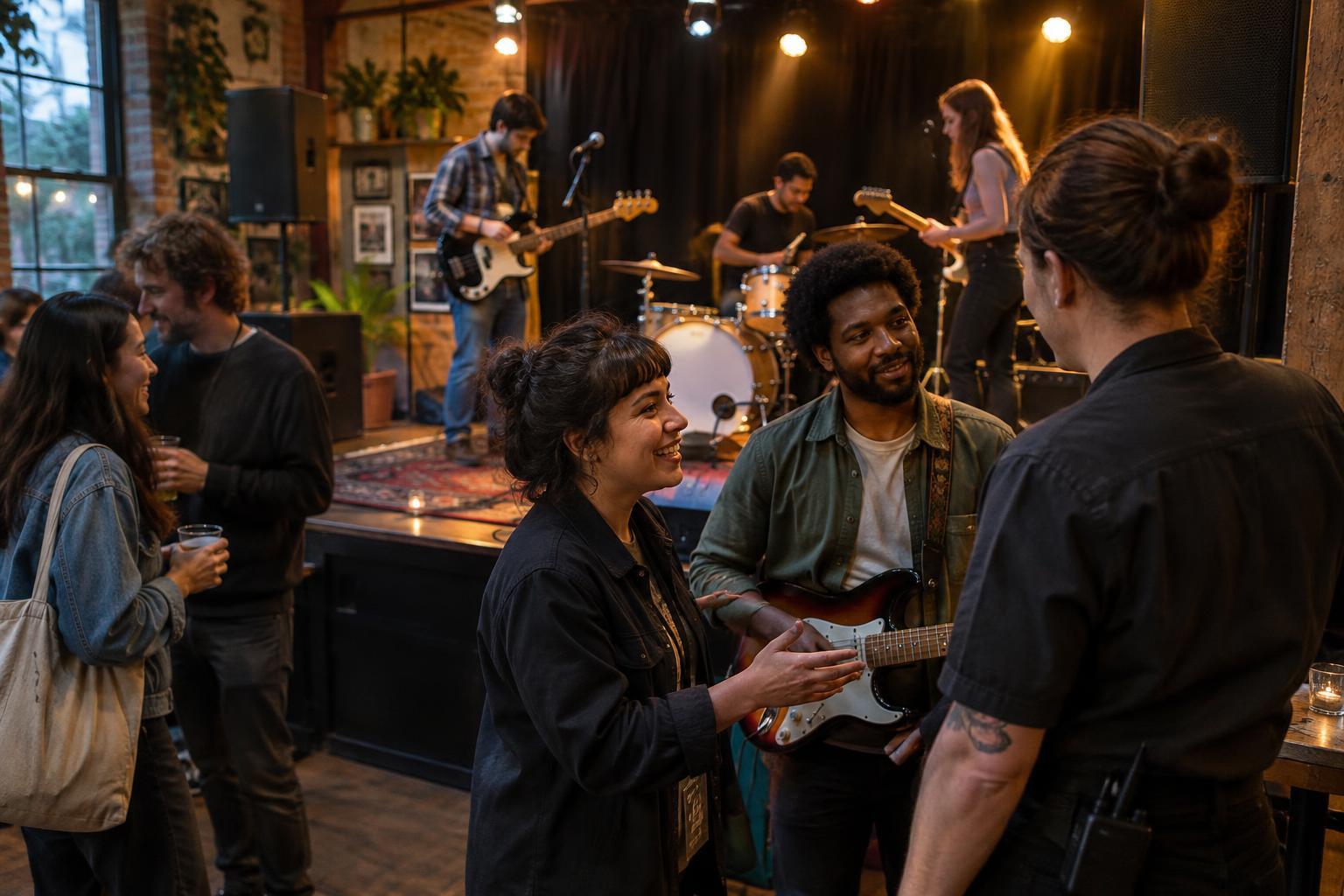
A local music scene grows when people can find a way into it. For many listeners, that first connection happens at a small show: recognizing a song, talking with someone who made it, or realizing that musicians live and work nearby. An all-ages space makes that experience possible for people who cannot enter age-restricted venues, including younger listeners and performers.
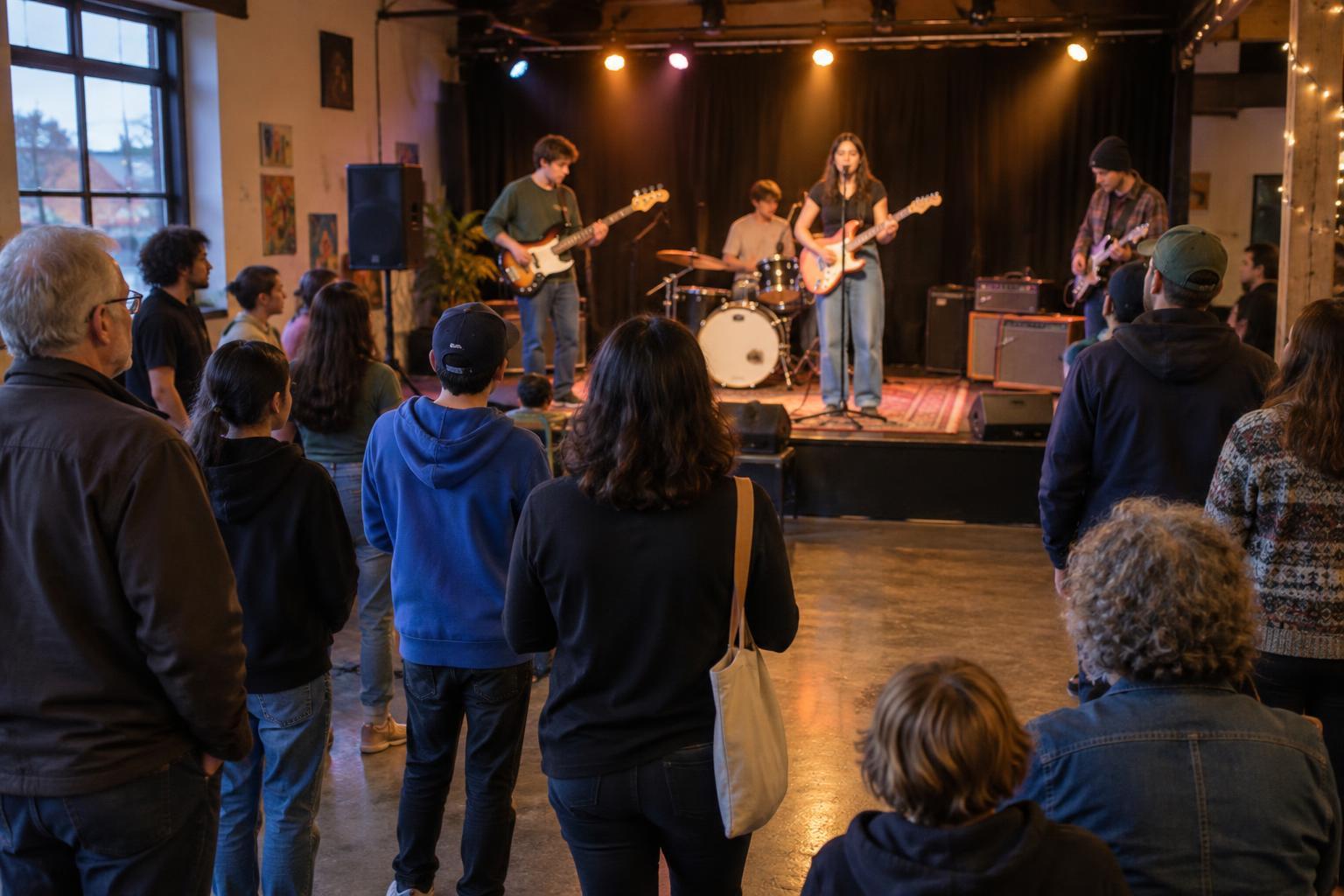
The value extends beyond youth. An all-ages show can bring together siblings, parents, older fans and people who simply prefer an event that is not centered on a bar. When different generations share a room, local music becomes easier to pass along through personal recommendations and repeat visits. A venue does not need to appeal to everyone at once, but a range of welcoming spaces gives more people a chance to participate.
Room to listen, learn and perform
Local artists need audiences, but they also need places to begin. An all-ages show can offer an early performance opportunity without requiring performers or their friends to meet an entry age. Seeing peers onstage may also make writing songs, joining a band or learning live production feel more attainable. Not every attendee will become a musician; a curious, attentive audience is just as important to a healthy scene.
The learning is often informal. A first-time performer notices how another act handles a short set or speaks to a room. A new listener discovers a style they would not have searched for on their own. Someone interested in sound or lighting sees how much work goes into a show beyond the performance. These small exchanges are difficult to recreate if people have no accessible place to gather.
Access takes more than an open door
Calling an event all-ages is a starting point, not a complete plan. Clear information helps people decide whether they can attend: when doors open, when music is expected to finish, how much entry costs, whether a younger attendee needs an accompanying adult, and what the space is like. Organizers can also explain their policies on re-entry, photography and conduct before anyone arrives. Requirements vary by venue, so accurate details matter more than assumptions.
Practical comforts shape the experience, too. Visible staff, a way to ask for help, places to step away from the crowd and a straightforward route to exits can make a busy room easier to navigate. Sound levels at live shows may be intense, so attendees may want hearing protection, and organizers can make it easier to find or bring. An inclusive atmosphere depends not only on who is allowed through the door but also on whether people feel respected once inside.
The trade-offs behind an all-ages show
All-ages programming can require extra planning. A venue may need to adjust its layout, staffing, schedule or how it separates age-restricted service from the performance area. An early finish can make a show easier for some attendees while complicating the schedule for others. These choices involve real costs and constraints; describing all-ages shows as effortless overlooks the people doing that work.
There is no single model that fits every room. A community hall, arts space, café or venue with designated areas may each offer a different experience. What matters is that hosts understand their space, communicate its rules and build a show that performers and audiences can navigate. When organizers, artists and attendees treat accessibility as an ongoing practice rather than a label, they can notice what needs improvement after each event.
How listeners can help a space thrive
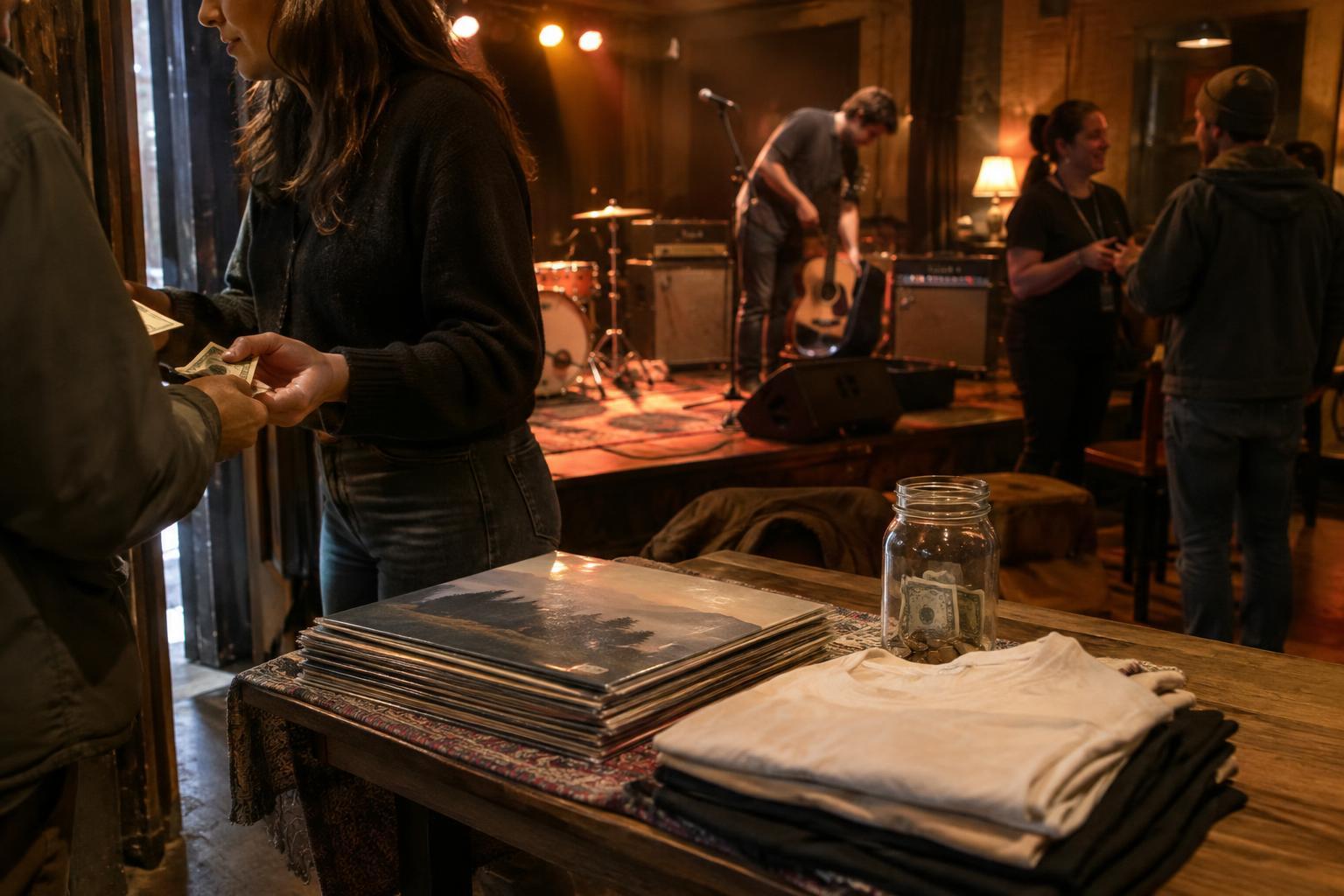
Supporting an all-ages scene does not require a grand gesture. Arrive for the opening act, pay the stated entry price when you can, and give performers your attention. If merchandise is available and within your budget, buying directly from an artist is another way to support their work. Sharing a show with a friend can help, too—especially when you pass along practical details rather than assuming everyone already knows how the space works.
Good audience habits make a room more welcoming: leave room for others, follow venue policies, and respect anyone who needs to move away from the crowd. If you have a useful suggestion, offer it constructively to the people running the event. A local music scene is sustained by many ordinary decisions, repeated over time. All-ages spaces matter because they give more people the opportunity to make those decisions together.