A place to practice changes what is possible
A music scene is often described through its venues, record shops and audiences. But much of its work happens before anyone gets onstage. Musicians need somewhere to try arrangements, learn to play together and make mistakes without treating every attempt as a performance. For a group with drums, amplifiers or several members, a living room may not be practical. Noise limits, shared housing, travel and storage can all make regular practice difficult.
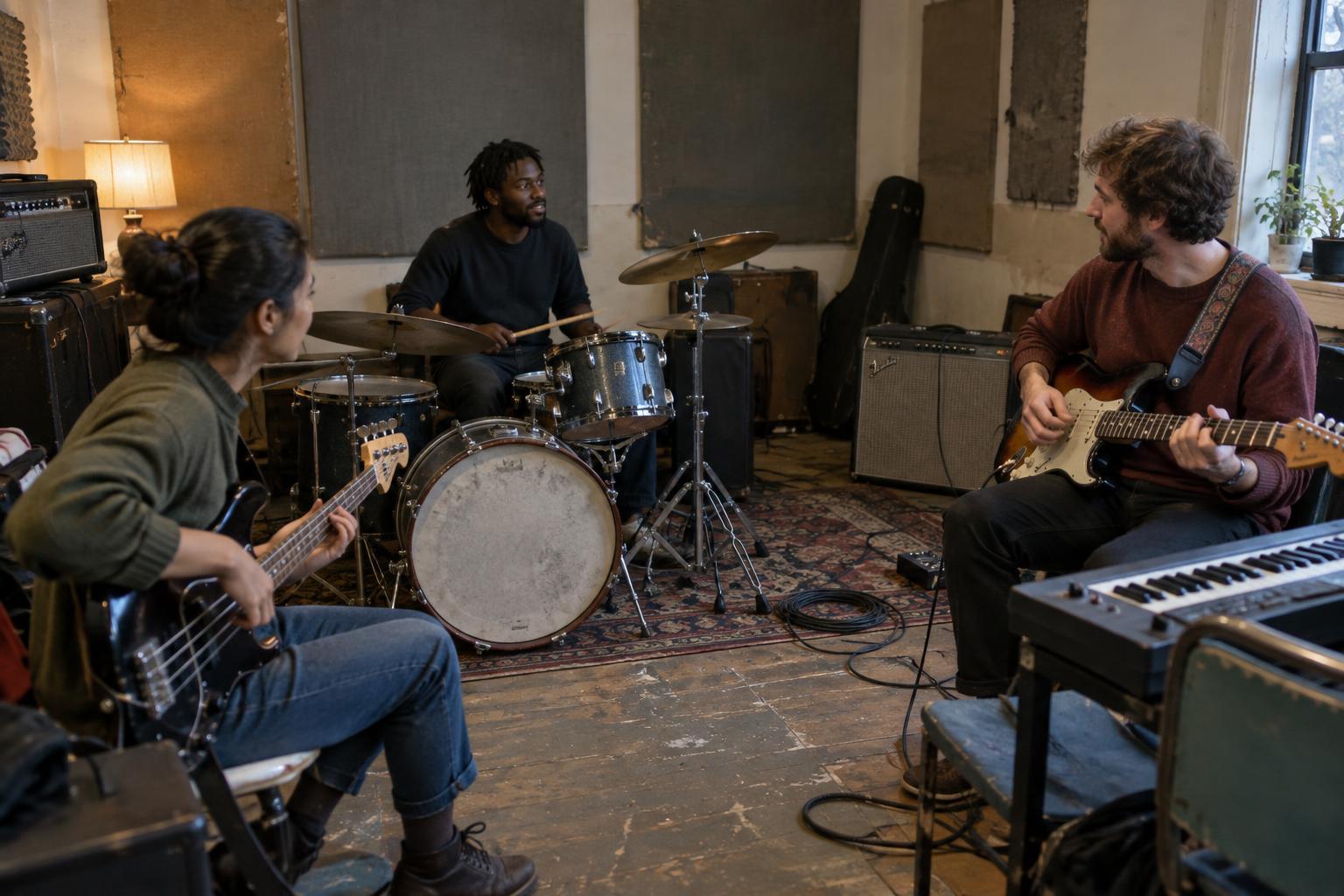
An affordable rehearsal room gives musicians a repeatable place to do that work. They can return to a song after a week, hear what improved and decide what still needs attention. The value is not simply louder playing: it is the chance to build a routine. When each session strains a budget, a band may spend more time worrying about the clock than exploring an idea.
Room to experiment, not just prepare a set
Rehearsals are often imagined as preparation for an upcoming show. They can also be where a group discovers what kind of music it wants to make. A musician might test an unfamiliar instrument, change a song’s structure or invite someone with a different approach to play along. Some attempts will go nowhere. That is part of the process, and it is easier to accept when the cost of trying again is manageable.
Affordable space can also help musicians who are not yet ready to book a performance. Beginners need time to gain confidence; experienced players may need time to start a new project from scratch. If rooms are available only to groups that can already draw an audience or split a high fee, a scene has fewer opportunities to hear something unexpected later.
How rehearsal rooms connect people
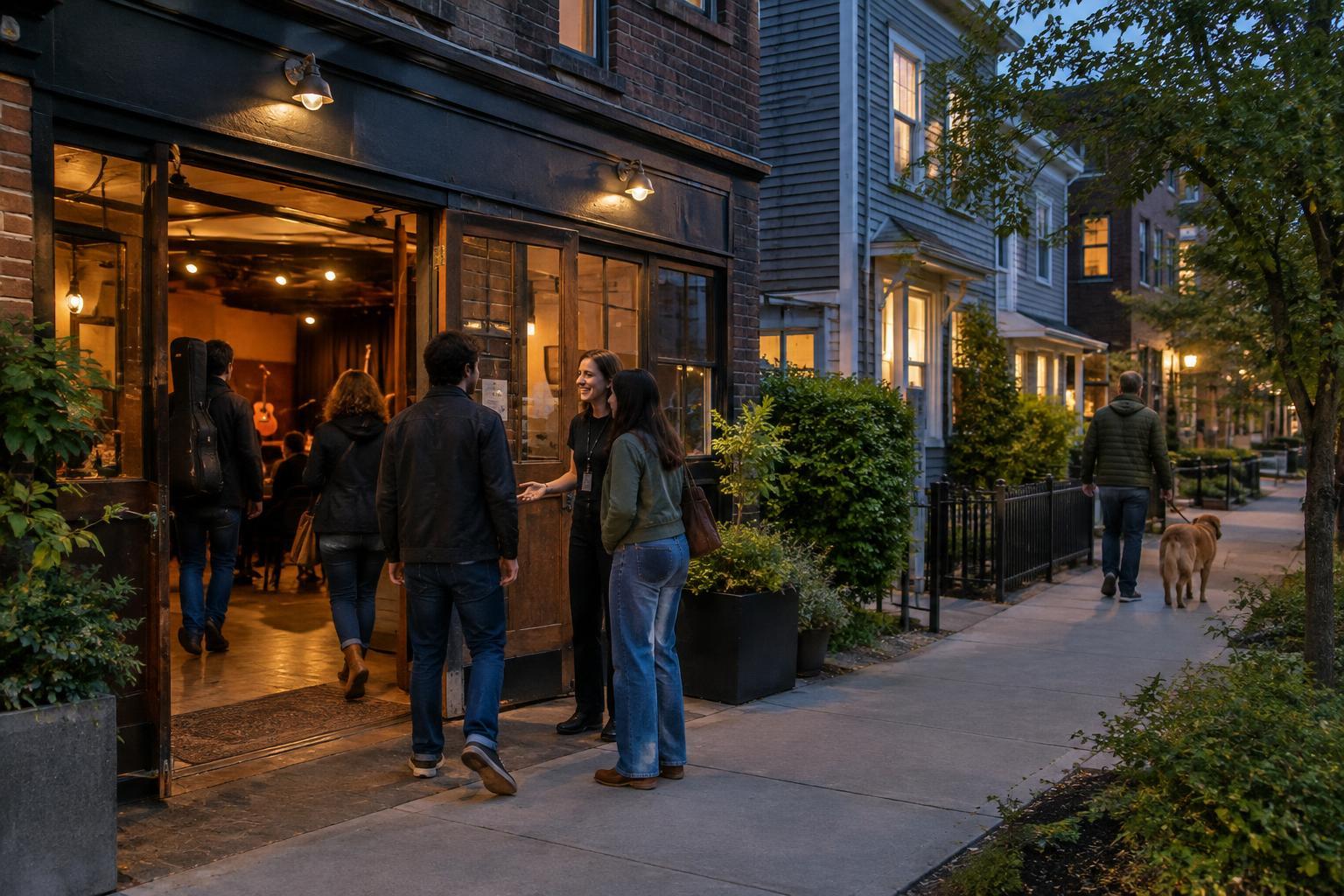
A shared rehearsal building can be a point of contact between musicians who might otherwise never meet. People encounter new sounds through an open door, exchange advice about equipment or find someone to fill in for a session. These connections do not happen automatically, and privacy matters when groups need it. Still, a welcoming space can make introductions easier than relying on established circles alone.
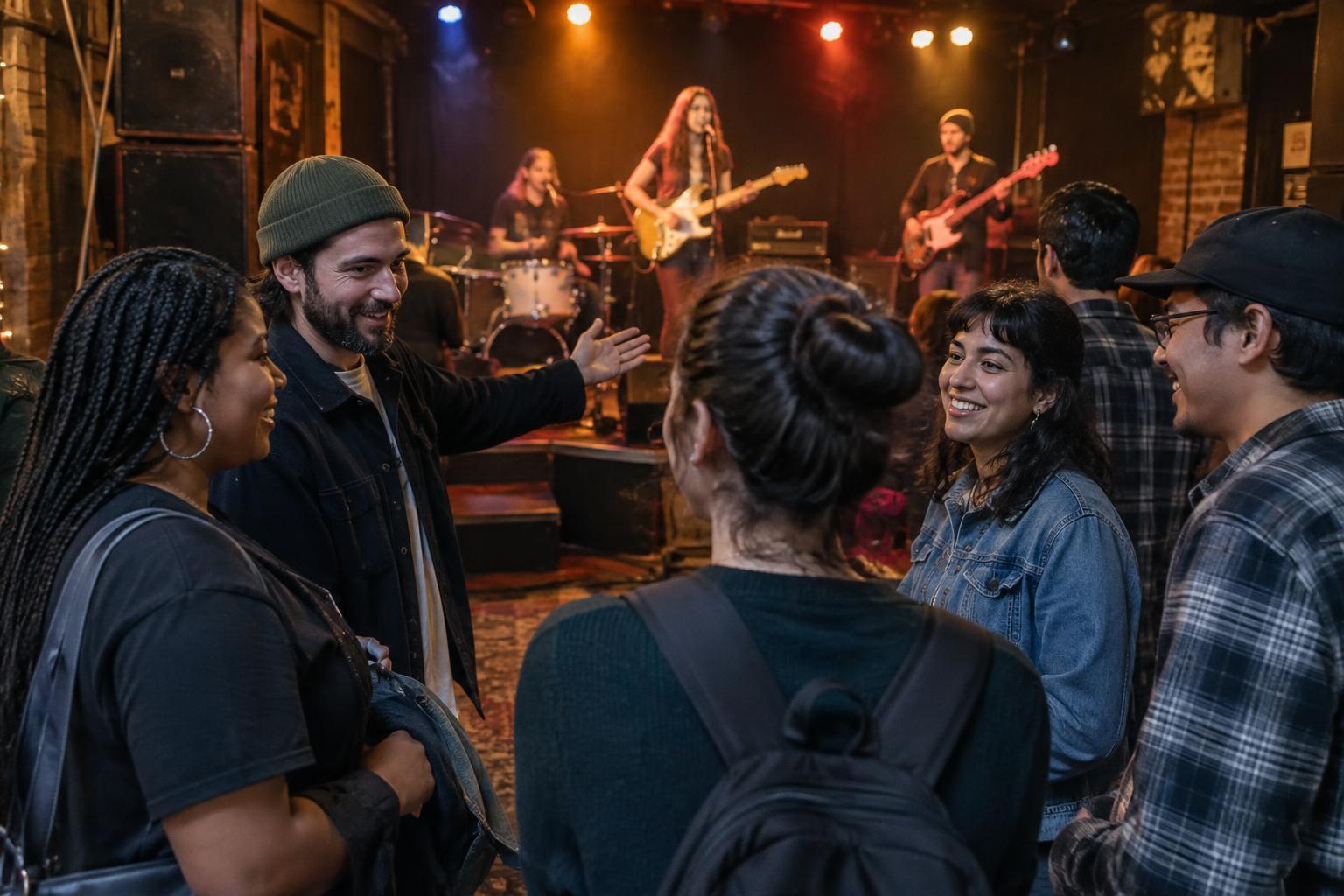
That matters for listeners and concertgoers, too. Local bills become more interesting when artists can form new groups, refine their performances and collaborate across styles. A rehearsal room does not guarantee a thriving venue or an enthusiastic crowd. It does, however, support the work that makes a live performance possible. The relationship between practice space and public stage is less a straight pipeline than an ongoing exchange of ideas, players and confidence.
Affordable means more than a low hourly rate
A room can look inexpensive on paper and still be hard to use. Musicians may need to account for transport, equipment rental, storage or a minimum booking that exceeds the time they need. An inconvenient location can make a short session difficult for a group whose members have different schedules. Accessibility also includes clear booking information, a usable entrance and a space where people can communicate and work comfortably.
The needs of different groups will vary. A loud band may prioritize sound isolation and durable equipment; a vocal ensemble may need a quieter room with good sightlines. Someone learning to perform may prefer an off-peak slot at a lower cost. Flexible booking options and straightforward rules can help more people use a room regularly. None of these features replaces a fair price, but they affect whether that price is genuinely affordable.
Treating practice space as part of the scene
Fans can easily see the value of a good show, while the hours spent preparing for it remain invisible. Recognizing rehearsal space as part of local music helps shift attention toward the conditions artists need between performances. Venue operators, community organizations, property owners and musicians may each have different ways to contribute, from sharing information about available rooms to making expectations and costs clear.
There are trade-offs. Keeping a space affordable still requires attention to maintenance, neighbors, staffing and the people who manage bookings. A useful goal is not simply the cheapest possible room, but dependable access that can last. When musicians have places to gather and work without every session becoming a major expense, more ideas have a chance to develop. The audience may only hear the finished song, but the room where it took shape matters.