Start with the venue rules, not the packing list
Before putting anything in a bag, read the festival’s current entry information. Bag-size limits, permitted containers, food rules and re-entry policies can vary by venue. An item that seems sensible, such as an umbrella or reusable bottle, may be restricted. Check how tickets are presented at the gate, whether you need identification, and what payment methods vendors accept. Keep the details you’ll need for entry accessible even if your phone signal is unreliable.
Choose the smallest comfortable bag that meets the stated rules. A compact crossbody or daypack can hold essentials without becoming a burden in a crowd. If bags are not allowed, plan around secure pockets instead. Leave valuables you do not expect to use at home; carrying less makes it easier to move between stages and keep track of your belongings.
Cover the basics you will use all day
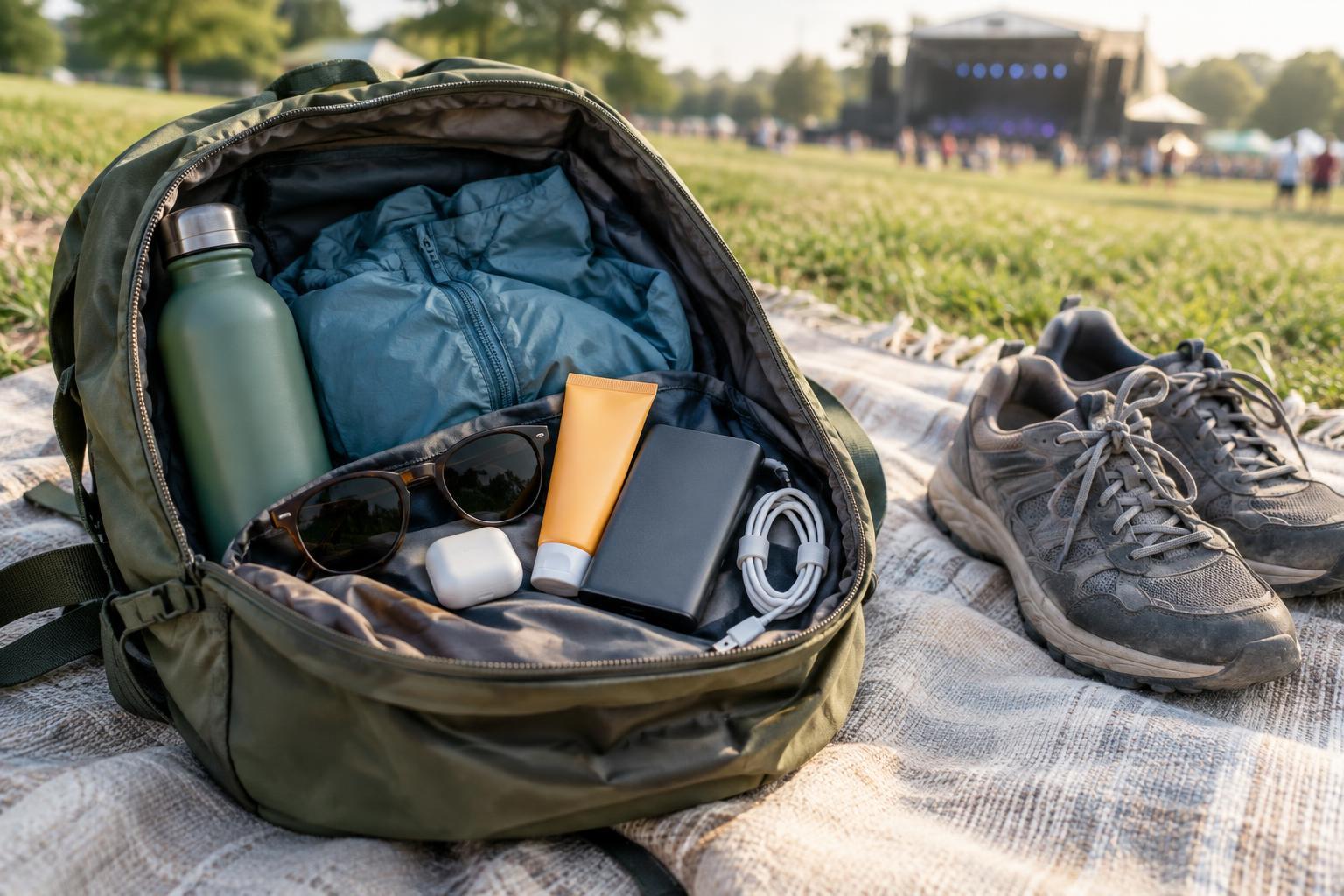
Bring your ticket or entry method, identification if required, a payment option and your phone. A small power bank and the right charging cable are useful when your phone is also your ticket, camera, map and way to contact friends. Pack them together so they are easy to find without emptying your bag at the gate.
Water is another priority, but check the container policy first. If refill stations are available, an allowed empty bottle can be easier to carry than several drinks. Food options and prices may differ from what you expect, so check whether small snacks are permitted, especially if you prefer to eat at regular intervals. Tissues, hand sanitizer and a small bag for your own rubbish take little room and can be handy throughout the day.
Dress for standing, walking and changing weather
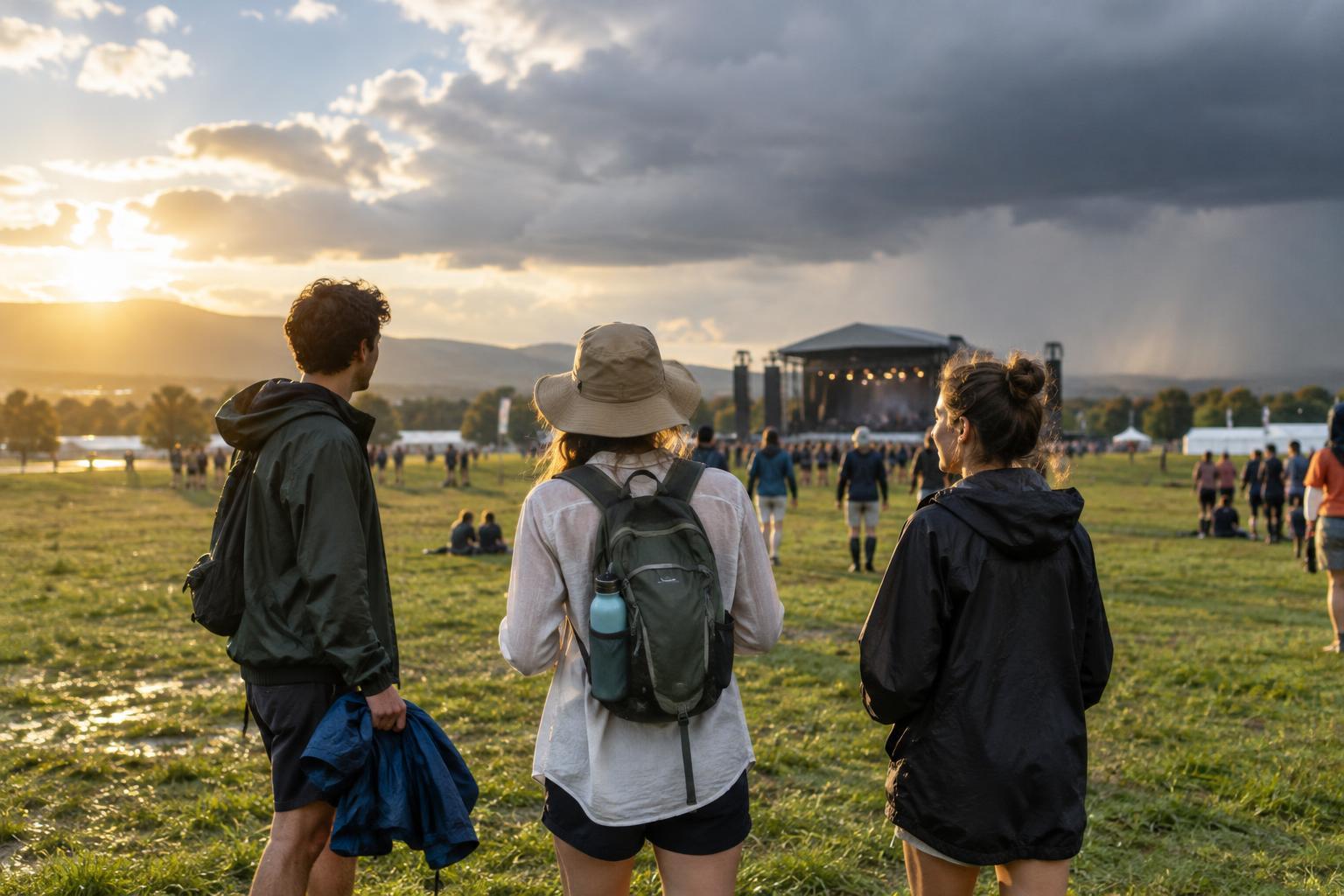
Comfortable, already-worn shoes are often more valuable than an extra outfit. Festival grounds can mean long walks, queues and uneven or wet surfaces. Pick clothes you can move in and add a light layer for cooler evenings, even when the afternoon looks warm. If rain is possible, a packable waterproof jacket may be more practical than an umbrella, provided it fits in your bag.
For an outdoor event, consider sun protection such as a hat, sunglasses and sunscreen, subject to venue rules on containers. A small scarf or spare pair of socks can be useful in some conditions, but pack for the forecast and the site rather than every possible scenario. The aim is to stay comfortable without carrying a bag full of clothes you never put on.
Protect your listening experience
Live music can be loud, particularly near speakers or over a full day of sets. Pack earplugs you can wear comfortably and keep them somewhere you can reach quickly. Some listeners prefer reusable earplugs designed for concerts because they can reduce volume while preserving more of the music’s detail. Whatever type you choose, having a pair with you gives you an option when the sound feels too intense.
Think about how you want to enjoy the performances, too. You may want your phone for a few photos, but you do not need to record every song to remember the day. Keep it secured when you are not using it. If you plan to split up from friends, agree on a meeting spot in advance rather than relying entirely on messages reaching everyone in a busy area.
Pack for the trip home as well as the first set
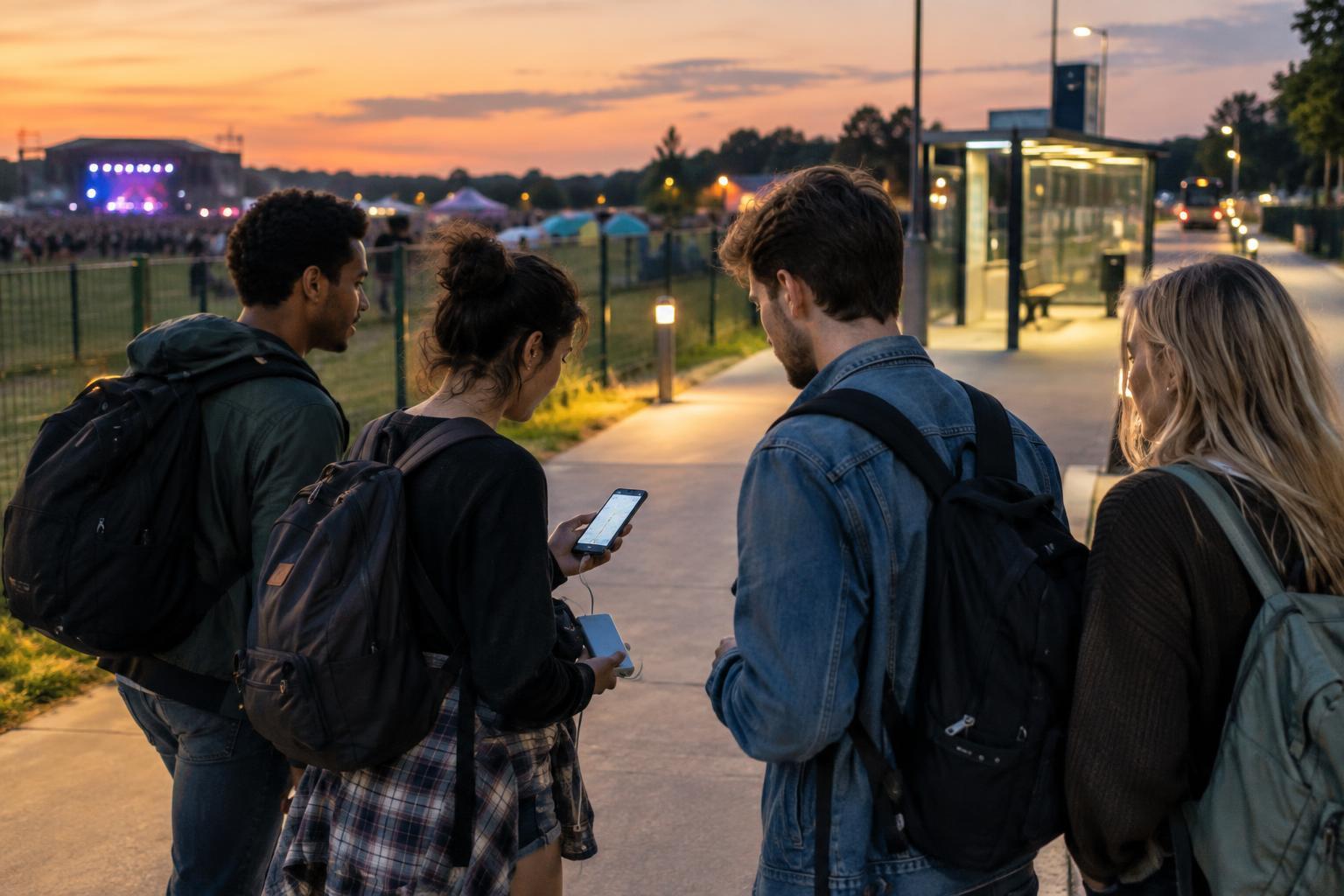
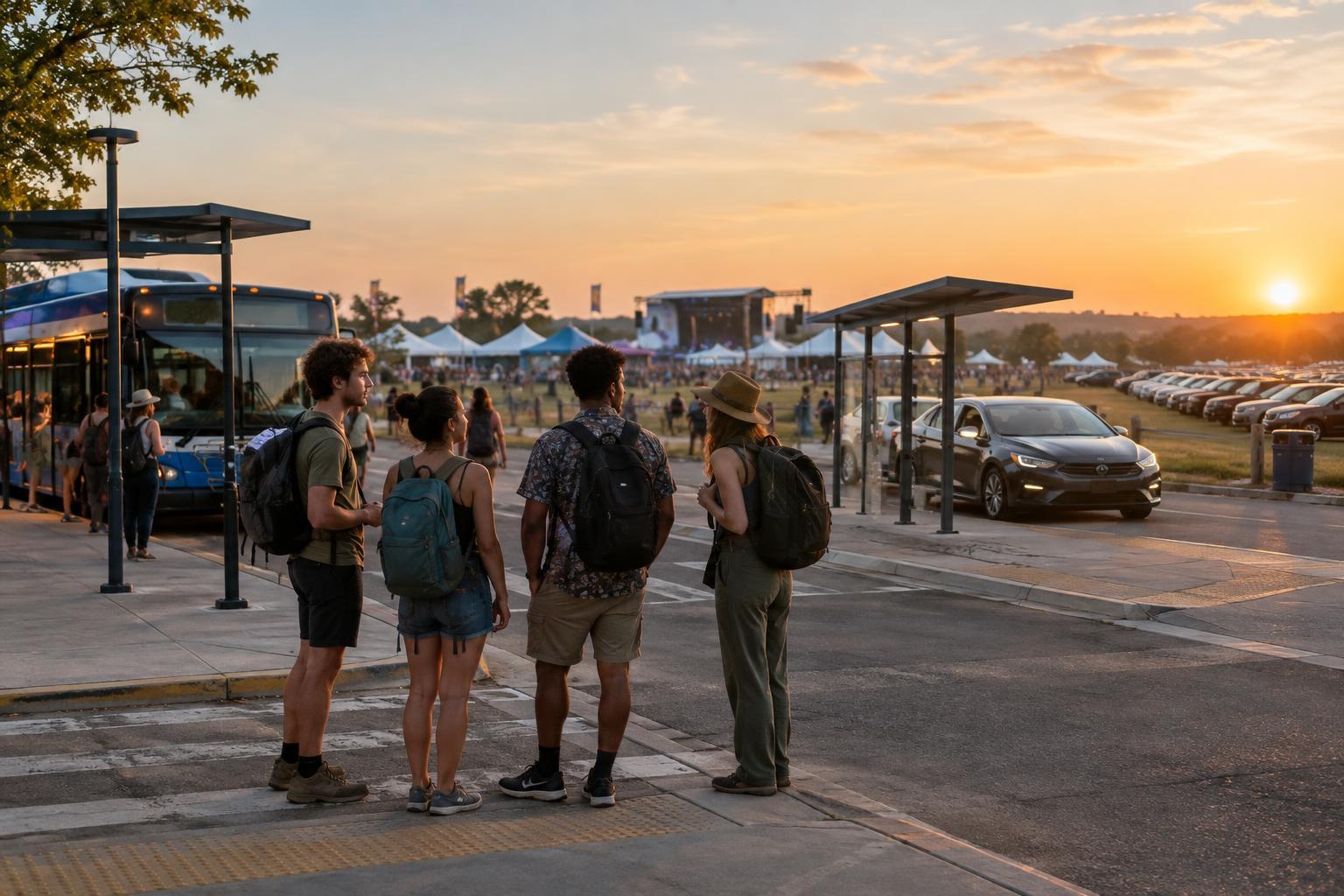
The last set may finish after dark, when you are tired and ready to leave. Save your route home before you go, and bring anything you need for that journey, such as a transit pass, keys or a light layer. If you are traveling with others, agree on a departure plan. A small amount of spare space in your bag also helps when you are putting items away quickly on the way out.
Do one final check against the venue’s rules, then remove anything that does not earn its place. For most one-day festivals, the useful core is simple: entry essentials, a way to pay and get home, water if permitted, weather protection, comfortable clothing and earplugs. A bag packed for the day you will actually have leaves you freer to focus on the music.