A room is more than a stage
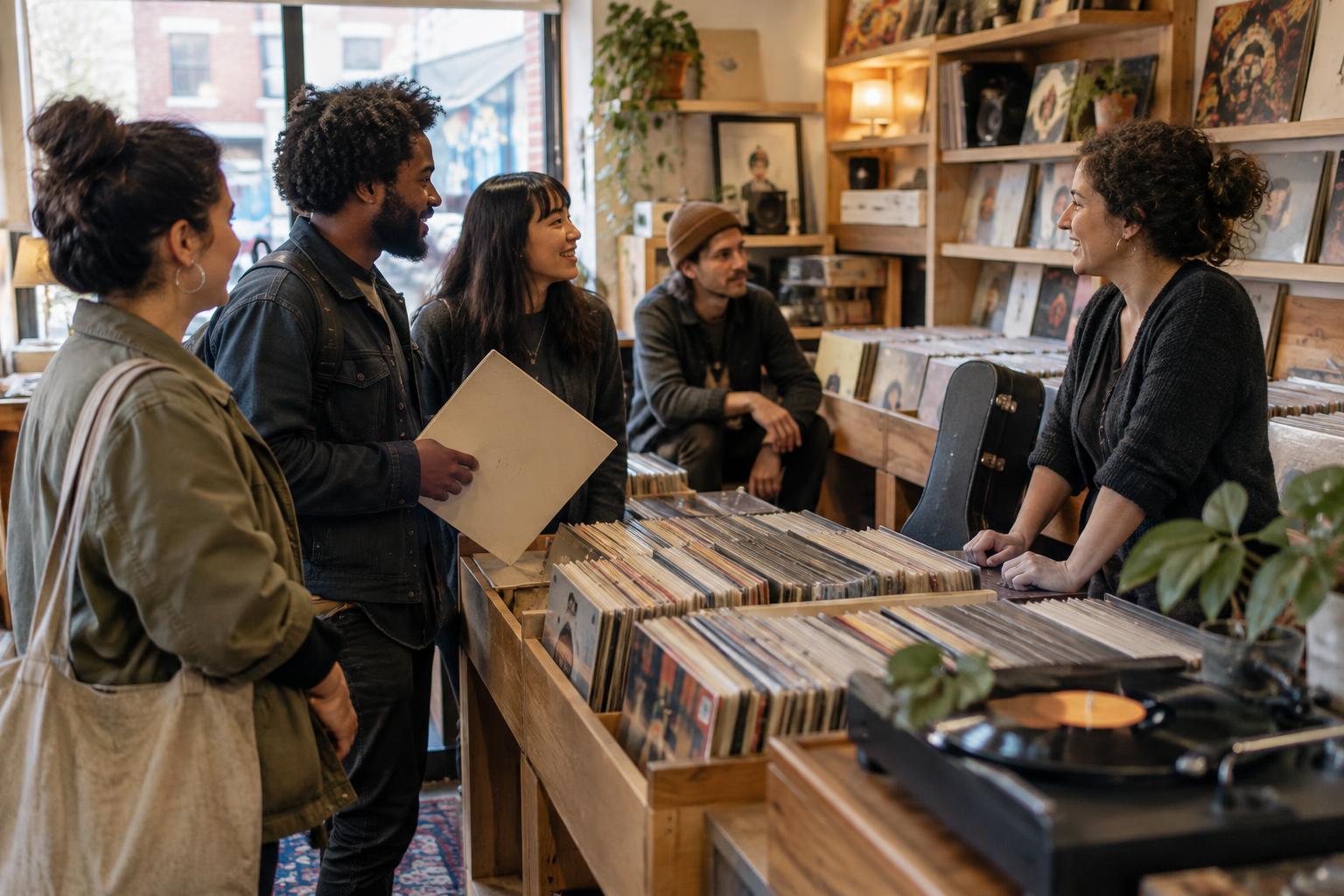
When a music venue closes, the most visible loss is its calendar. Shows are canceled or moved, and listeners have one fewer place to go. But a venue is also a meeting point: performers find collaborators there, regulars introduce friends to unfamiliar music, and people learn what their city sounds like. Those connections are harder to relocate than a single concert.
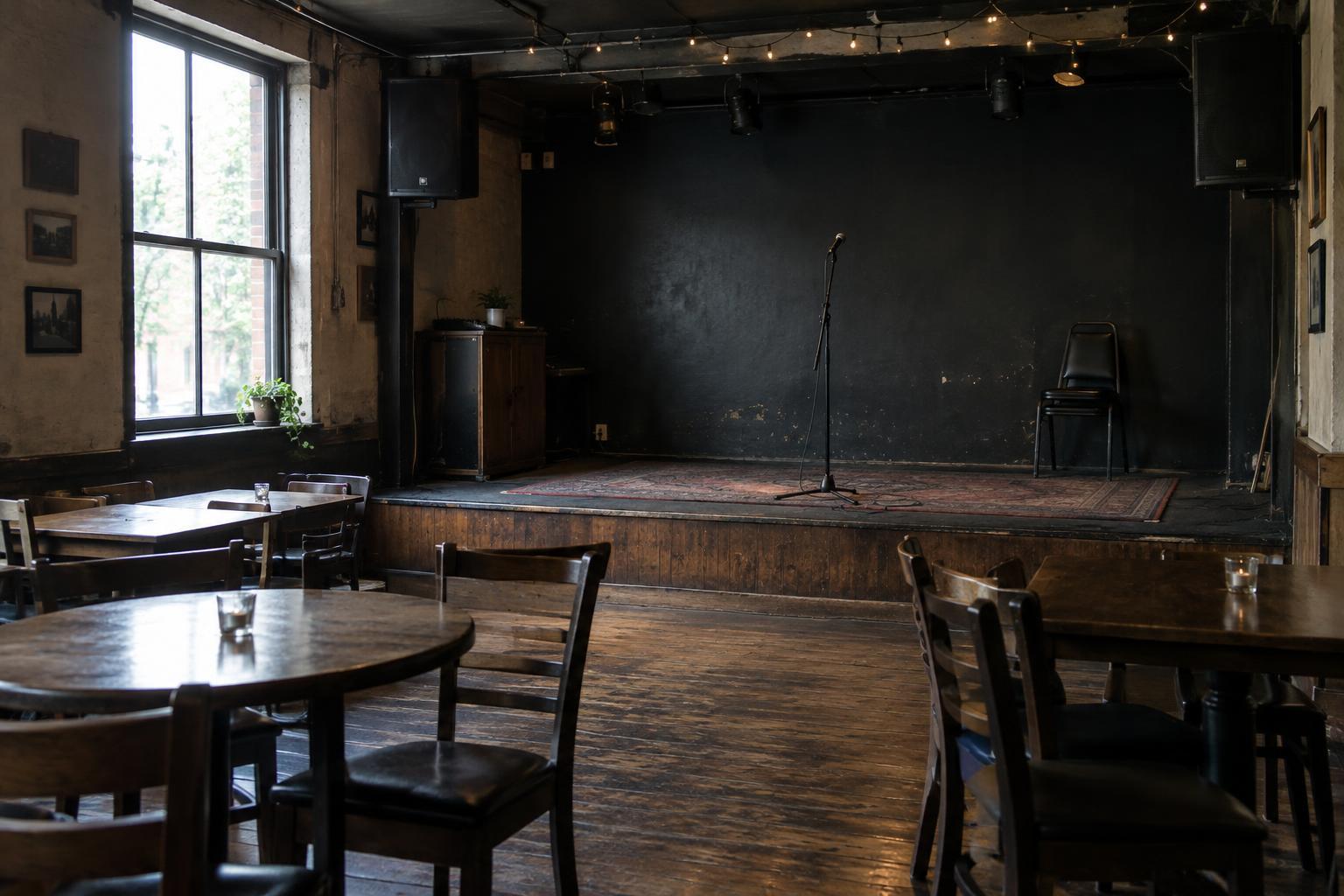
Every room has its own combination of size, price, location, atmosphere, and approach to booking. A small stage that welcomes first-time performers fills a different role from a larger room built around established acts. Even if another venue has open dates, it may not offer the same chance to take a creative risk or play to an audience willing to hear something new.
The effects spread beyond the lineup
A closure can interrupt the work of sound engineers, door staff, photographers, promoters, and others who help make a show happen. It can also affect nearby places where audiences gather before or after a performance. Not everyone experiences the loss in the same way: a touring act may be able to find another stop, while a local artist who depended on a regular night may have to rebuild an audience elsewhere.
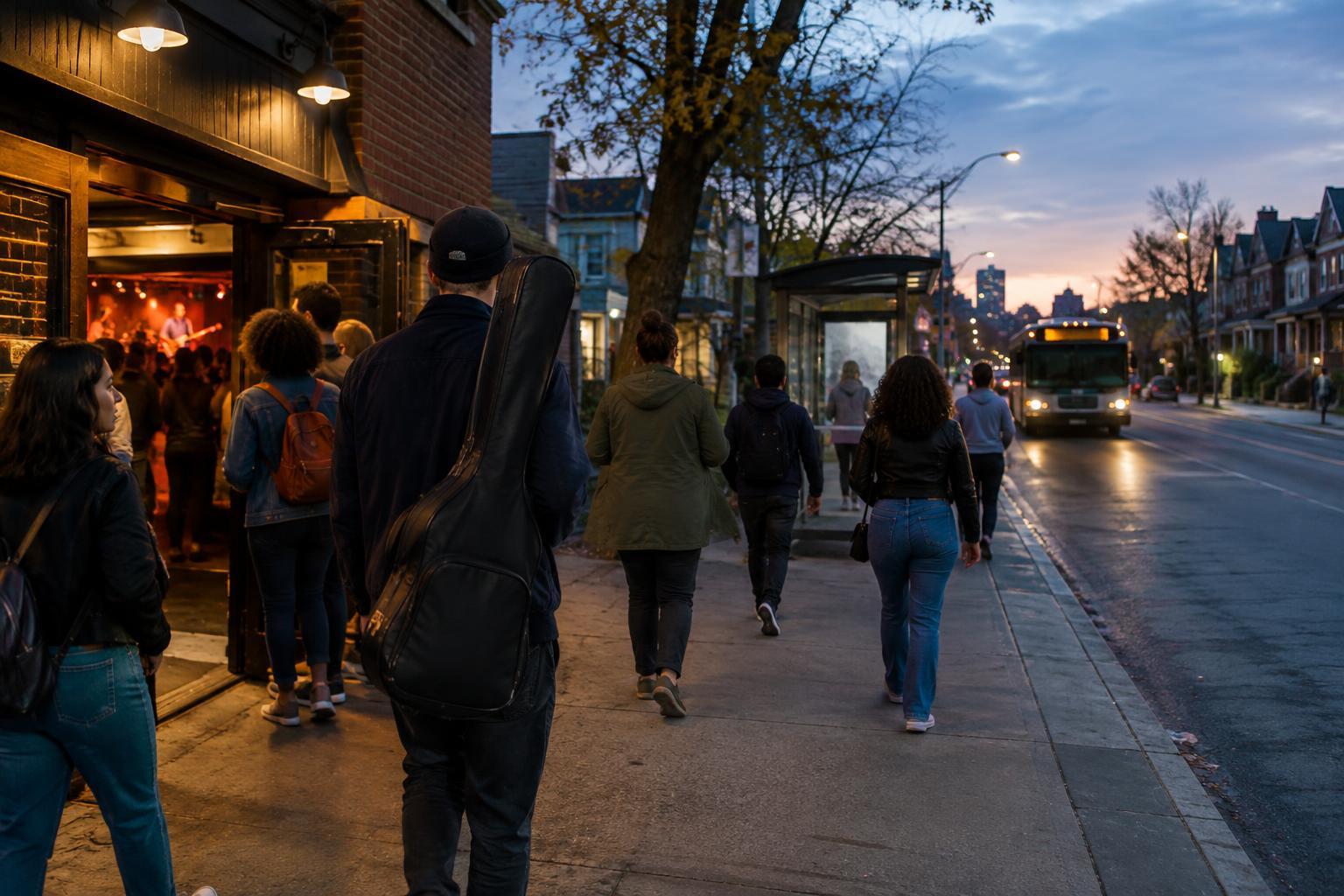
The venue’s location matters, too. If replacement shows move across town, the change can make music less accessible to people who relied on a familiar route, an early finish, or a modest ticket price. For some listeners, the original room was their entry point into the scene. A new address is not necessarily an equivalent invitation.
Why a scene can change its sound
Venues shape music partly through their practical limits. A quiet room might make space for intimate performances; a flexible floor might suit energetic, audience-led shows. Booking choices matter as much as acoustics. When a venue gives emerging artists repeat opportunities, performers can test ideas, learn from one another, and gradually develop a following.
After a closure, those artists may compete for fewer suitable slots or adapt their sets to fit different rooms. Some will discover useful new partnerships. Others may find that the nights where they belonged no longer have an obvious home. A scene rarely disappears because one door shuts, but its paths for newcomers can narrow, and its familiar gathering places can become harder to find.
What can survive the building
A venue’s community is not identical to its lease or walls. Promoters can bring a recurring night to another space; musicians can share bills; audiences can follow the people whose taste they trust. Informal networks often help keep a scene active during a transition. At the same time, it is worth resisting the easy claim that everything will simply move online or pop up somewhere else. Organizing shows takes time, suitable space, and people willing to do the work.
A temporary event can preserve momentum, but it may not replace a dependable room with consistent equipment, staff, and expectations. Likewise, memories and recordings keep a venue’s story visible without giving tomorrow’s performer a place to play. Honoring what a room meant and making room for what comes next are related, but separate, tasks.
How listeners can help a scene keep its connections
The most useful response starts with paying attention to the people affected. Follow the artists, promoters, and crews associated with the closed venue, and look for their next projects. If they move a show to another room, consider going—even if the setting feels unfamiliar. Share accurate information from the organizers rather than assuming that a rumored replacement date or location is settled.
Support for other small spaces also matters. Arriving for an opening act, buying a ticket when you can, and treating staff and fellow audience members well all help make a night worthwhile. If a community is discussing the future of a local space, listen to what performers, workers, and nearby residents say they need. A music scene cannot preserve every room, but it can carry forward the relationships that made a room matter—and build more places where those relationships can grow.