Start with the question you want to answer
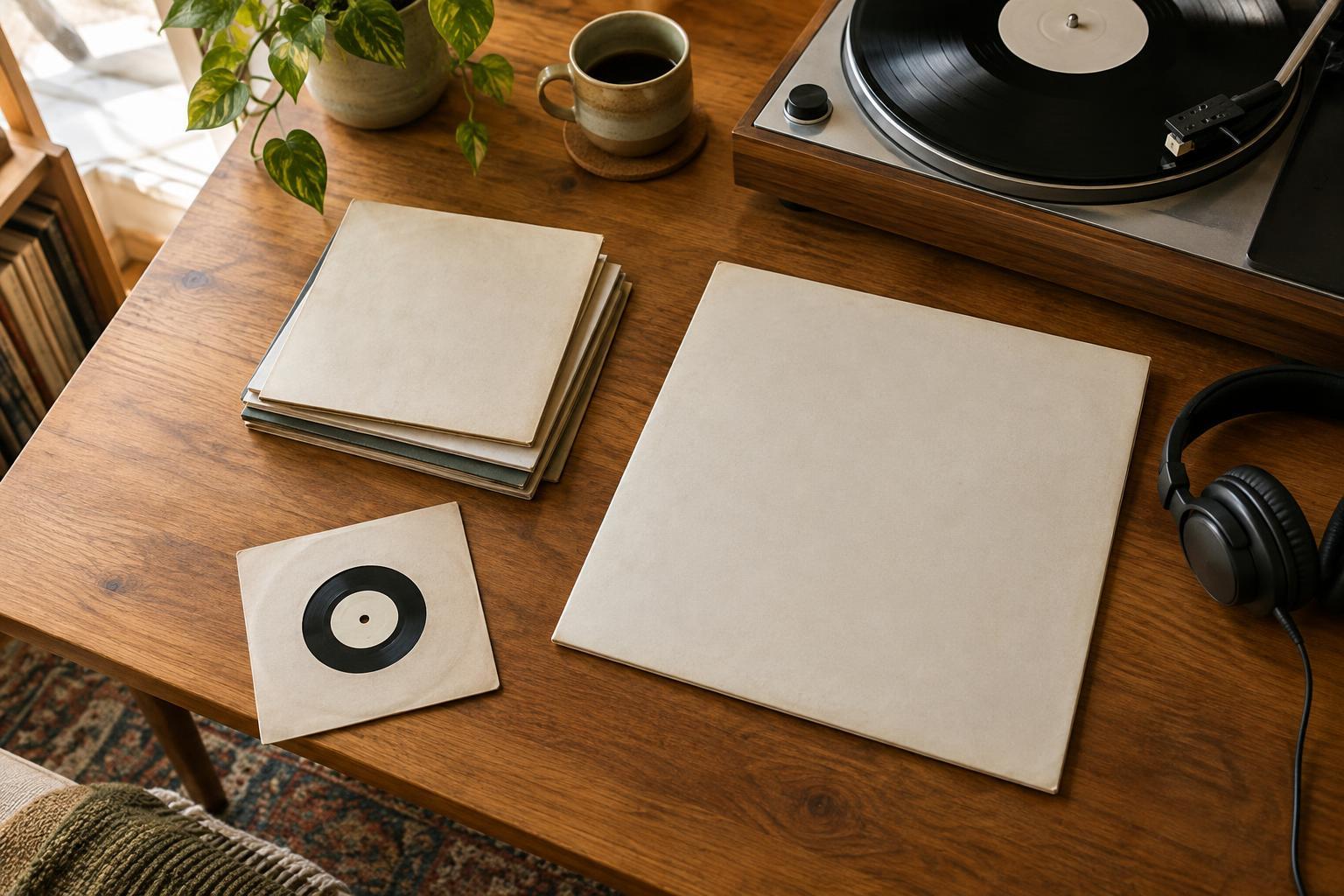
Discovering an unfamiliar artist can feel oddly difficult when their catalog offers several places to begin. The newest single is easy to play, but it may sound unlike the rest of their work. An album promises a fuller picture, but it asks for more time. An EP sits somewhere between the two. None is automatically the best introduction: each format helps answer a different question.
If you want to know whether a voice, rhythm or mood catches your attention, start small. If you want to understand what the artist can do across a few songs, try an EP. If you are curious about the world they build over time, make room for an album. Treat these as listening strategies, not rules; artists use release formats in different ways.
Singles: a quick doorway, not the whole house
A single is useful when you have only a few minutes or have heard an artist’s name and want a first impression. One track can make a distinctive element immediately clear: a vocal style, an approach to production or the energy of a band playing together. Singles are also easy to revisit. A song that seems slight on first listen may become more interesting once its melody or arrangement feels familiar.
The limitation is context. A single might be a deliberate experiment, a collaboration or simply the song chosen to introduce a larger release. It may not represent the artist’s quieter, stranger or more expansive work. If it does not connect, try one more track before deciding the artist is not for you. Choose something from a different release or look for a contrasting song, rather than playing several tracks with a similar feel.
EPs: enough space to hear a point of view
An EP usually offers more than a single without requiring the commitment of a full album. That makes it a useful middle step for exploration. Across a short sequence, you can notice whether an artist returns to a particular groove, changes the emotional temperature or places a bold track beside a restrained one. You begin to hear choices rather than just a hook.
Listen to an EP in order at least once if you can. The opening track may establish an atmosphere, while a later song complicates it. Afterward, ask which moment you remember: a lyric, a sound, a shift in pace or the way one song led into another. An EP is especially helpful when a single intrigued you but left you unsure whether you wanted more. It gives that curiosity room without turning music discovery into homework.
EPs vary, though. Some feel like tightly connected statements; others gather tracks that do not share an obvious thread. Either can be rewarding. If the songs seem unrelated, listen for what stays consistent beneath the surface, such as phrasing, instrumentation or an interest in certain moods.
Albums: the deeper listen
An album is often the most rewarding choice when you already like a few songs or want to spend an uninterrupted stretch of time with an artist. Its length allows for contrast, repetition and gradual development. A track that seems unremarkable on its own may work beautifully between two others. You may also hear how an artist handles transitions, slower passages and ideas that need more than one song to unfold.
For a first album listen, try following the intended sequence before making a playlist of favorites. You do not need to study every detail or avoid distractions entirely; simply giving the record a beginning, middle and end can reveal something a shuffled listen might miss. If it feels too long, pause and return later. Exploration should create interest, not a test of endurance.
There is also no guarantee that an album gives a definitive portrait. Artists change direction, and one release can reflect a particular phase or set of collaborators. If an album leaves you curious, moving backward or forward through the catalog may show which ideas endure and which were unique to that project.
Build a listening path that follows your curiosity
A practical route is to begin with one song, move to an EP or a small selection of contrasting tracks, then try an album when you want a longer encounter. You can reverse that route if you enjoy immersion: pick an album, save the tracks that stand out, and explore nearby releases afterward. The right format is the one that helps you keep listening with attention.
When deciding what to play next, notice what drew you in. Was it the songwriting, the sound of the instruments, the voice or the energy you imagine in a live room? Follow that thread instead of treating every release as a required stop. Singles make discovery approachable, EPs make comparison easy, and albums reward sustained listening. Together, they offer several ways into an artist’s work.