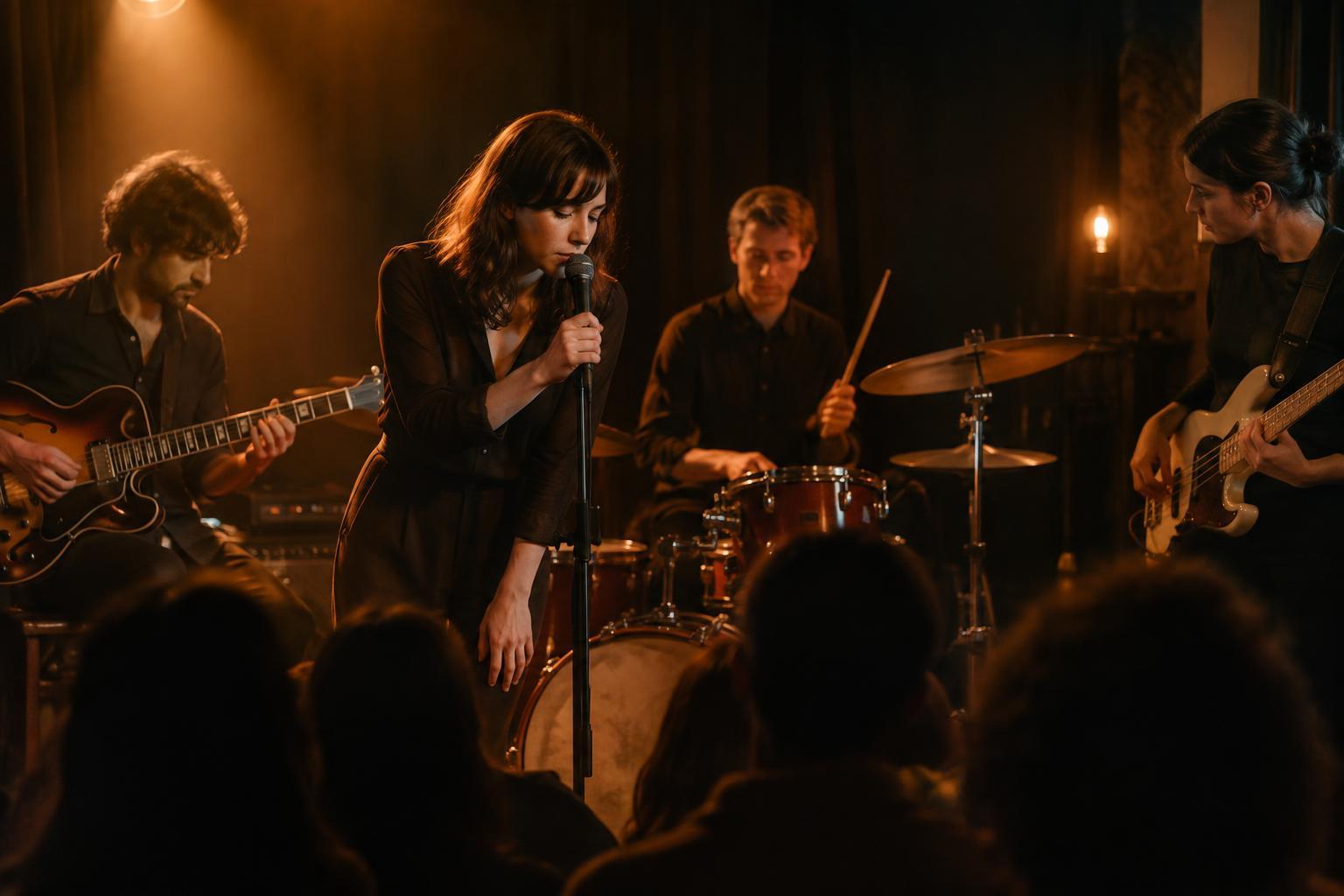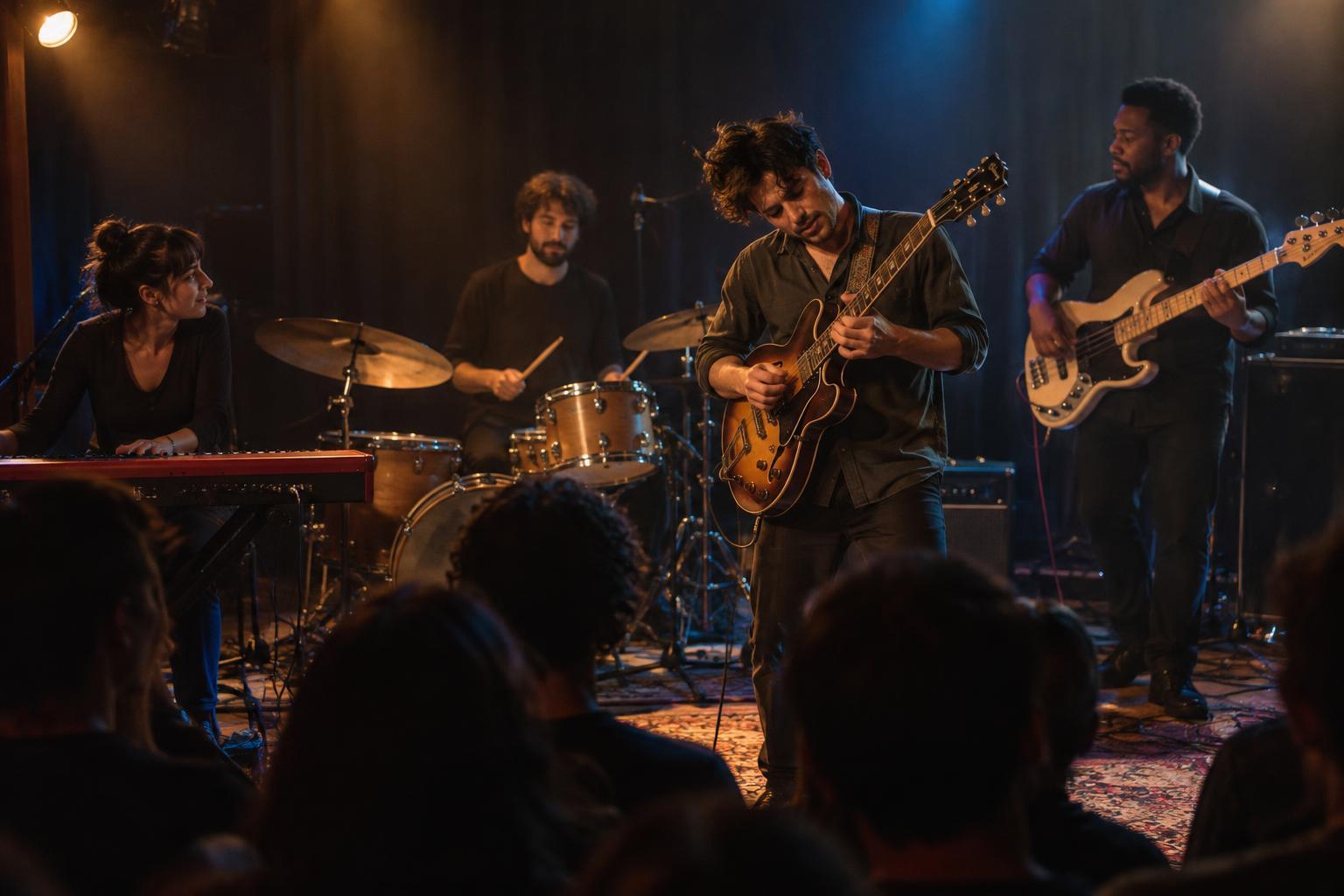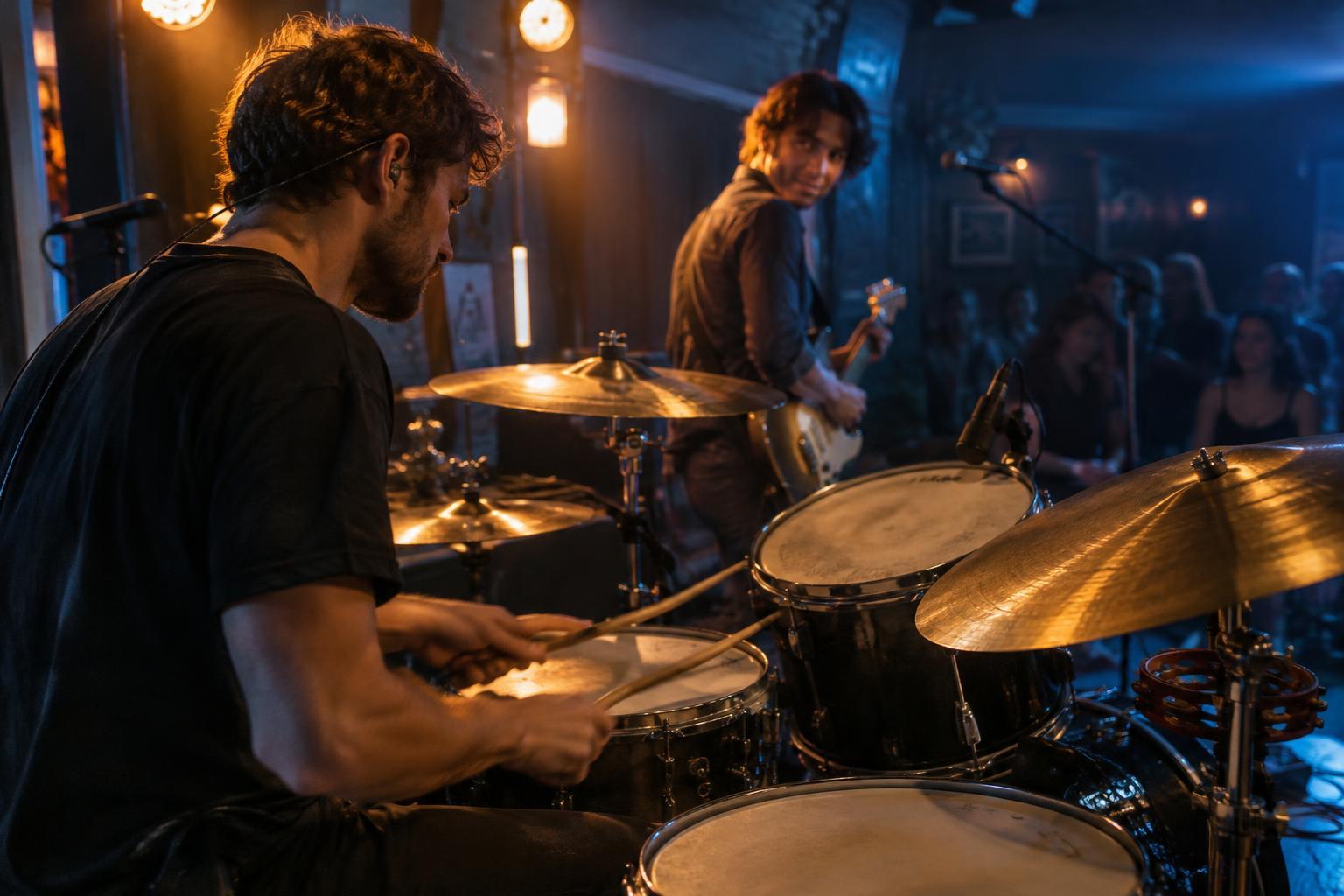
What a click track does onstage
A click track is a steady pulse that performers hear through headphones or in-ear monitors while they play. It is usually kept out of the audience-facing sound system. Its basic job is to give musicians a shared tempo reference, but a live click may also include count-ins or spoken cues that mark an upcoming section. It is a guide, not a performance in itself.
The distinction between a click and a backing track matters. A band can play to a click without sending any prerecorded music to the audience. Conversely, when a set includes backing vocals, electronic parts or other prerecorded sounds, a click may help the musicians stay aligned with those elements. The same applies when lighting or video follows a predetermined timeline. A simple show may need none of this; a tightly coordinated production may depend on it.
Why performers choose to use one
Consistency is the clearest benefit. A familiar pulse can keep an energetic opening from racing ahead or stop a quiet section from slowing more than the band intends. It can also make rehearsed transitions easier to repeat. For a musician who starts a song alone, a count-in can establish the tempo before anyone else joins.
A click becomes especially useful when parts of the show cannot follow the band. Prerecorded sounds will not naturally speed up with an excited drummer, and a timed visual cue will not wait for an extended guitar phrase unless someone has designed it to do so. In these settings, the click gives the performers a common point of reference. It does not make them play well automatically: they still need to listen to one another, shape the song and recover together when something unexpected happens.
What the band may give up
Tempo is one way musicians communicate. A singer might hold a line a little longer, a drummer might push a chorus, or the whole group might ease into a quieter passage. A fixed click can make those choices harder, particularly if every section has been programmed at one tempo. Musicians can plan tempo changes or leave room for unmetered moments, but that requires rehearsal and clear cues.
There is also a listening trade-off. If the click is too loud in a performer’s monitor mix, it can draw attention away from the other players and the audience. If it is too quiet, following it may become stressful. Some musicians feel more secure with a pulse; others find that it makes them play cautiously. Neither response is a verdict on skill. The useful question is whether the click helps this particular group deliver this particular set.
Rehearsing for feel, not just precision
Start by testing the click on one or two songs with a clear reason for using it. Agree on who hears it, who starts each song and what any cues mean. A drummer may be the only person who needs the pulse for an otherwise live arrangement, while a more tightly timed show may call for several performers to hear it. Keep the monitor mix comfortable enough that everyone can still hear the musical details they rely on.
Rehearse the entrances, endings and spaces between songs as carefully as the main groove. If a song needs to breathe, decide where the click stops, changes tempo or returns. Then play full run-throughs rather than judging the setup from isolated sections. Record a rehearsal if that is practical and listen for the musical result: a band can land every beat and still sound stiff, or play with energy while staying well aligned.
Plan for the moment the click disappears
A live setup should have a simple answer to technical trouble. If a performer loses the click, can the band continue the song without it? If backing tracks are involved, who can stop them, and how will everyone recognize that decision? Talk through those choices before a show rather than trying to negotiate them onstage. Even a brief rehearsal without the click can reveal which entrances or transitions need a clearer human cue.
Using a click is not a contest between authentic performance and technology. It is an arrangement choice with consequences. The strongest approach keeps the purpose visible: use a fixed pulse where coordination calls for one, and preserve flexibility where the music benefits from it. When the musicians know both how to follow the click and how to play together without it, the audience can focus on the performance rather than the machinery behind it.