A scene has a geography
A music scene is often described through its venues, artists and sounds. But it also has a geography: the routes people take to reach a show, the streets they cross and the distance between a performance space and home. Two people may live in the same city yet face very different journeys to the same concert. That difference can shape who becomes a regular, who plays on a bill and who hears about the next event.
Neighborhood boundaries are not always marked by signs. A river, highway or long stretch without a convenient crossing can make a nearby venue feel far away. Familiarity matters, too. A listener who knows the area may see a short walk as routine, while someone arriving for the first time may need clearer directions and more time. Looking at a scene through these everyday journeys reveals barriers that a venue map alone can miss.
The trip home can decide the night
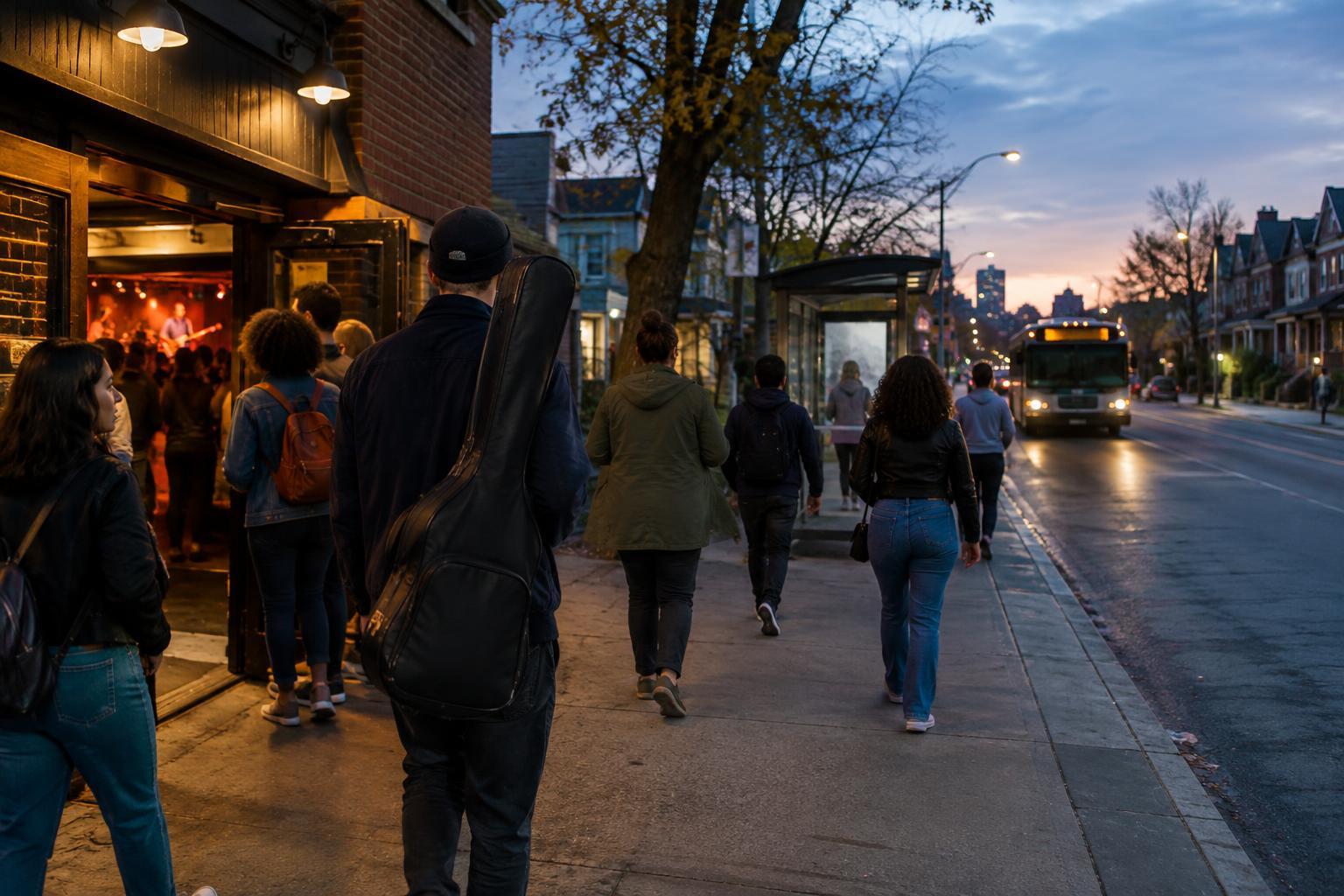
Getting to a show is only half the journey. A late set may fit easily into the night for someone with a car or a short walk home, but not for someone whose practical return route ends earlier. A transfer, a long wait or an expensive ride home can change the real cost of attendance. For performers and crew carrying equipment, the options may be narrower still.
These constraints can affect participation well before anyone reaches the door. A listener may skip an unfamiliar opening act to leave in time for a connection. A musician may decline a slot that requires travel they cannot manage after the show. Neither choice says much about enthusiasm. When a scene treats staying late as proof of commitment, it risks overlooking people who have to plan their nights differently.
Belonging is more than reaching the venue
A route can be technically possible without feeling easy to use. Poorly explained entrances, uncertain walking distances or a lack of information about step-free access can make plans harder, particularly for people with mobility needs. Travel comfort also varies with lighting, weather, crowds and whether someone is making the journey alone. No single description of a neighborhood will capture every person’s experience, so specific practical details are more helpful than a blanket claim that an area is easy to reach.
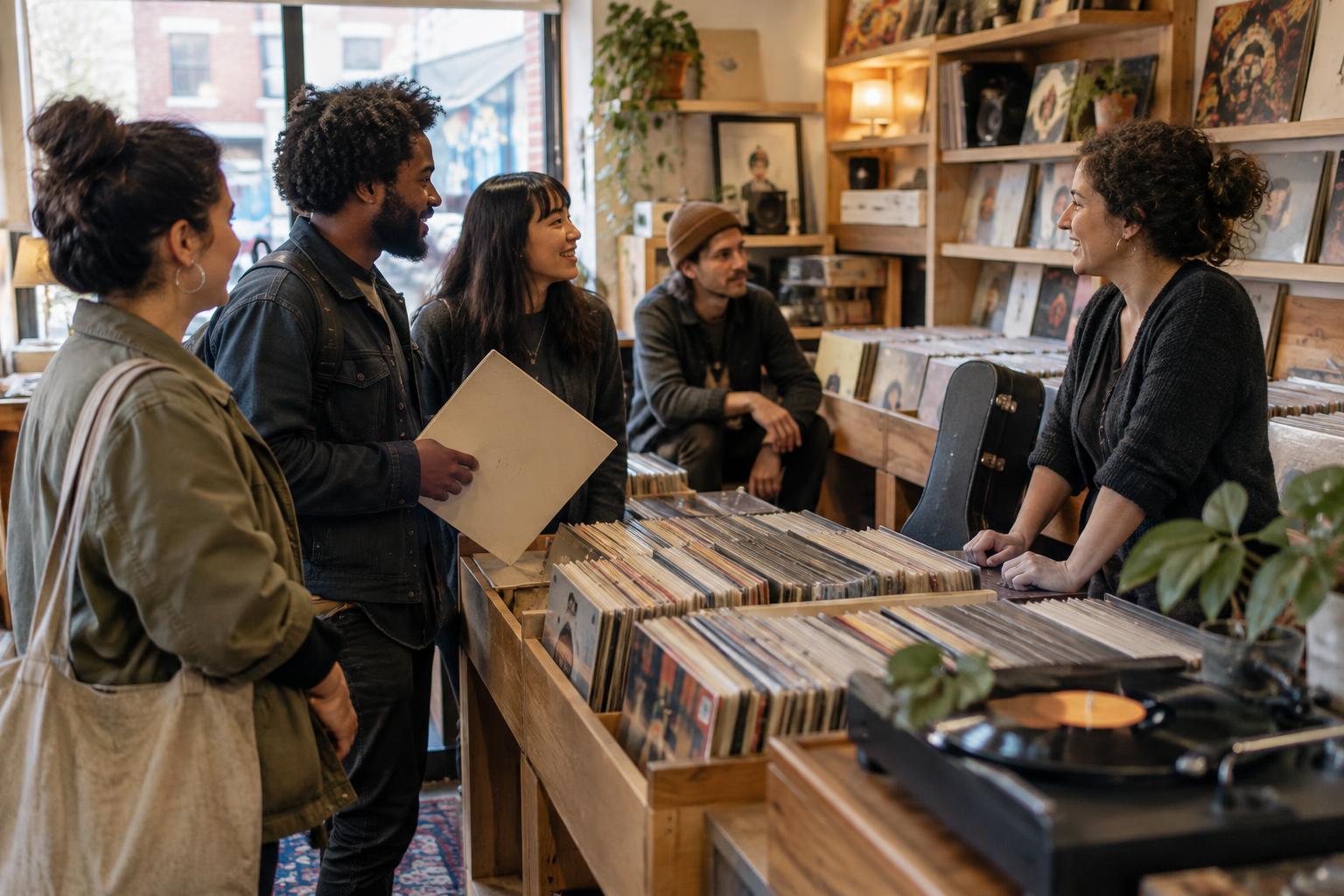
Social boundaries matter alongside physical ones. Venues and informal gathering spots can develop habits that welcome regulars but leave newcomers unsure where to stand, how to join a conversation or whether they are expected to know the artists already. People who arrive from another neighborhood may have fewer chances to make those connections if they cannot stay after the music. A scene becomes easier to enter when information and invitations do not depend entirely on being in the room every week.
Access shapes what gets heard
Travel barriers do not only affect audiences. Artists need workable routes to rehearsals, collaborations and performances. If most opportunities cluster in one area, musicians elsewhere may have fewer chances to meet peers or accept last-minute invitations. That can influence which sounds and perspectives become familiar to local listeners, even when talent and interest are spread across the city.
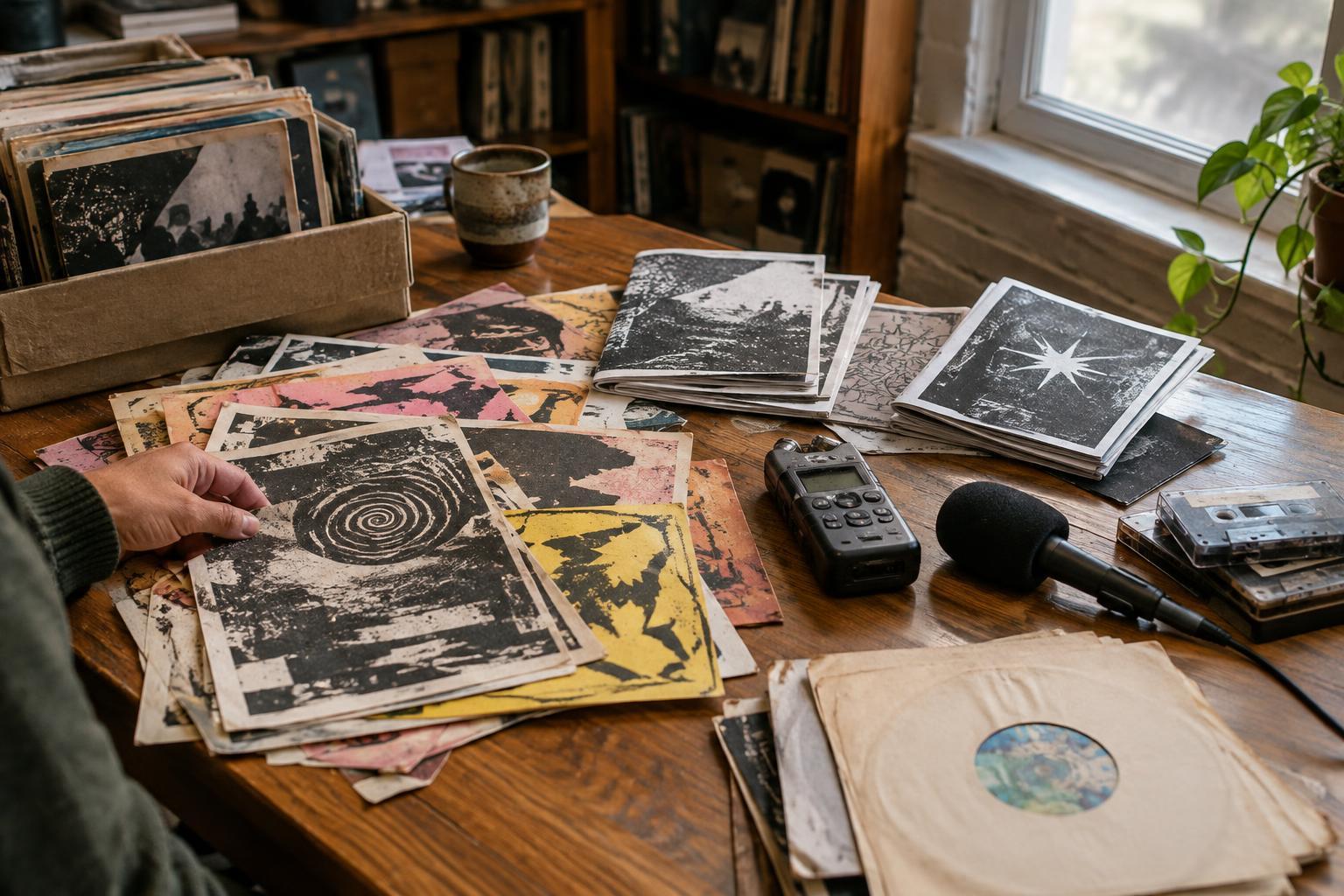
This does not mean every event must move, or that one neighborhood cannot be an important home for music. Regular spaces help people build relationships and give a scene its character. The useful question is whether those relationships can extend beyond a small circle of people who can reach the same places at the same times. Occasional events in different areas, introductions between groups and accessible ways to share recordings or announcements can help widen that circle.
Small choices can open a wider door
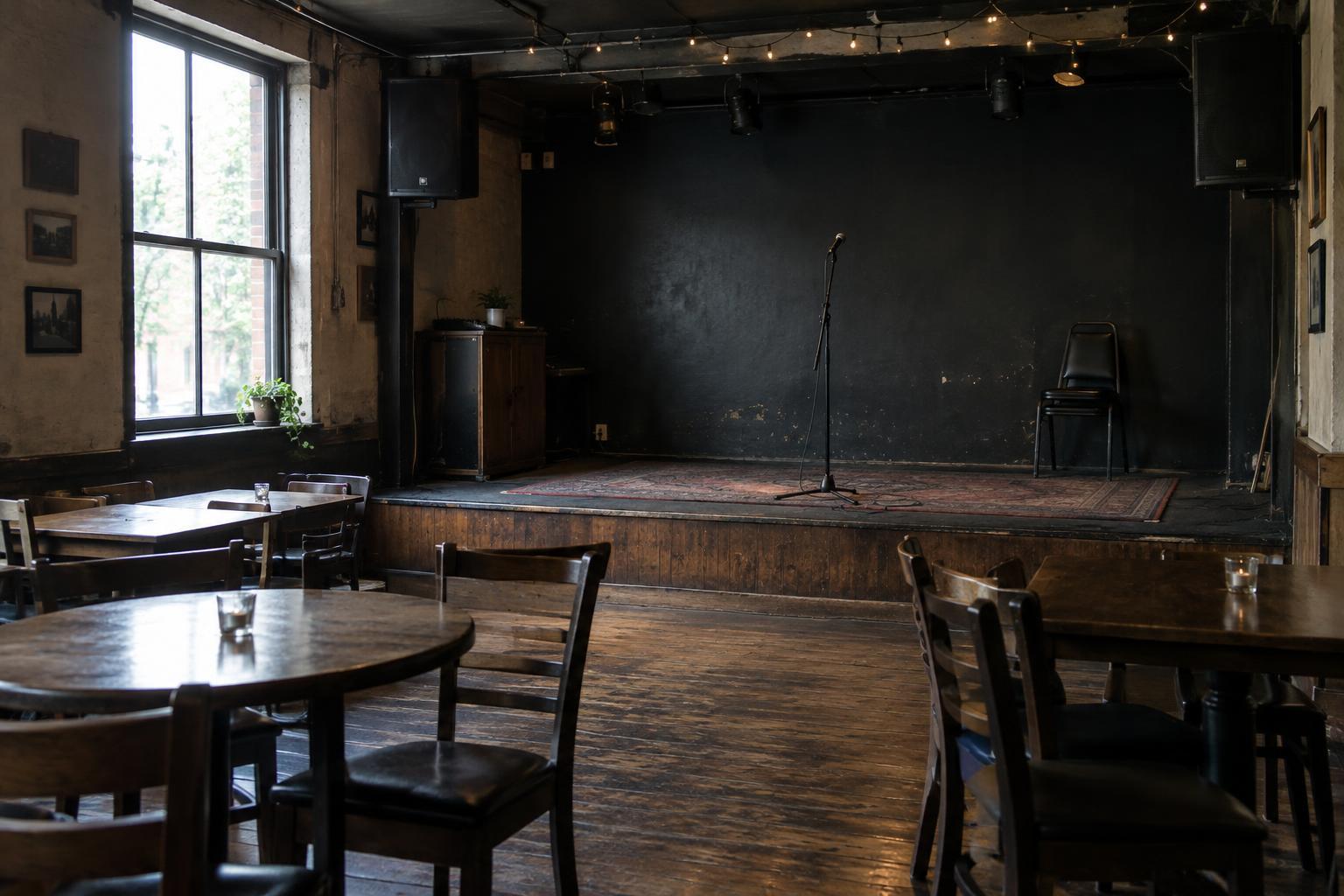
People presenting shows can make travel planning less of a guessing game by sharing the venue entrance, expected set times, accessibility details and nearby transit options when they know them. Clear information lets each attendee judge the trip for themselves. When planning a bill, it also helps to ask performers about arrival, equipment and return travel rather than assuming every slot works equally well for everyone.
Listeners can help, too. Consider an early set, visit a venue outside your usual route or invite a friend without assuming they already know the area. Share useful details about a trip without promising that another person will experience it the same way. A music scene grows not just when more people hear about a show, but when more people can picture a realistic way to be there.