Start by widening your idea of support
Going to shows matters, but attendance is only one way to help a local music scene thrive. Scenes are made by musicians, audiences, sound engineers, promoters, photographers, independent labels, rehearsal spaces and venues. They also rely on people who tell a friend about a new act or make a newcomer feel welcome. If work, caring responsibilities, accessibility needs or a tight budget keep you home, you can still take part.
Choose a level of involvement you can sustain rather than treating every missed show as a failure. A few minutes spent listening closely, a thoughtful recommendation or an occasional purchase can be more useful than a burst of activity you cannot maintain. Support works best when it responds to what artists and organizers actually offer or ask for, rather than assuming they all need the same thing.
Listen beyond the announcement
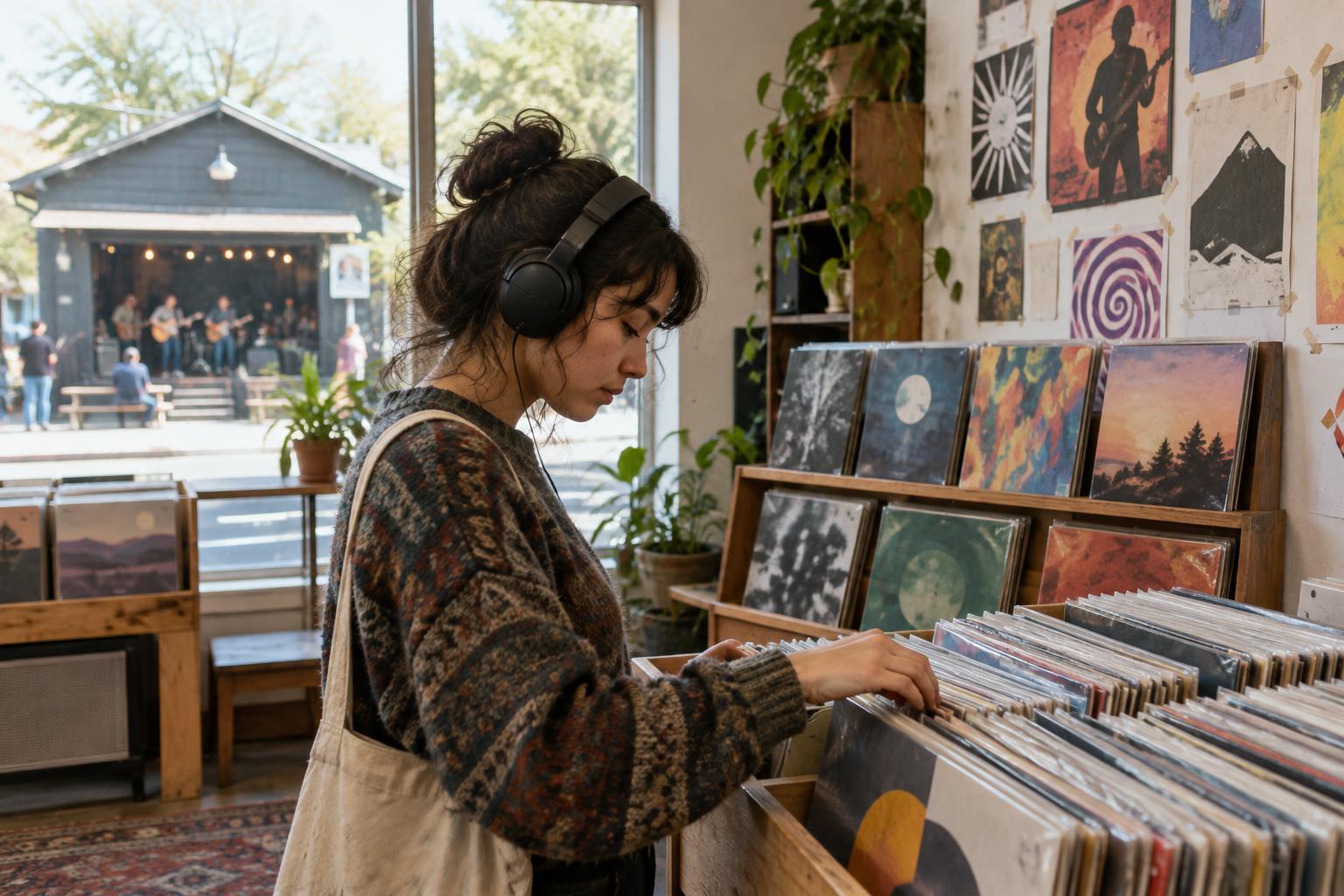
When a local artist releases music, give it your attention. Listen to a full track or record, save what you enjoy and revisit it later. If they share a page where people can buy a download or physical release, consider using it when your budget allows. You do not need to purchase something every time you discover a musician; becoming a genuine listener is valuable in its own right.
Explore beyond the performers you already know. Look at opening acts on bills you would have attended, follow recommendations from trusted local DJs or browse music that artists in your area share with their own audiences. Keep a short list of names you want to hear again. This turns a missed show into an opportunity for discovery without pretending a recording can replace the experience of being in the room.
Make recommendations useful, not automatic
A personal recommendation often gives someone a better reason to listen than a bare repost. Tell a friend what caught your ear: a striking voice, an inventive rhythm section or a set that moved between styles. Match the suggestion to the person, and send a link to the artist’s own page when one is available. A small, sincere note is enough.
If you share a show, check the details first and point people toward the organizer’s or venue’s current information. Avoid repeating an old poster without context; lineups, access details and plans can change. You can also help by answering a newcomer’s basic questions when you know the answer, while leaving uncertain details to the people running the event. Good word of mouth makes participation easier, not more confusing.
Spend where it fits your means
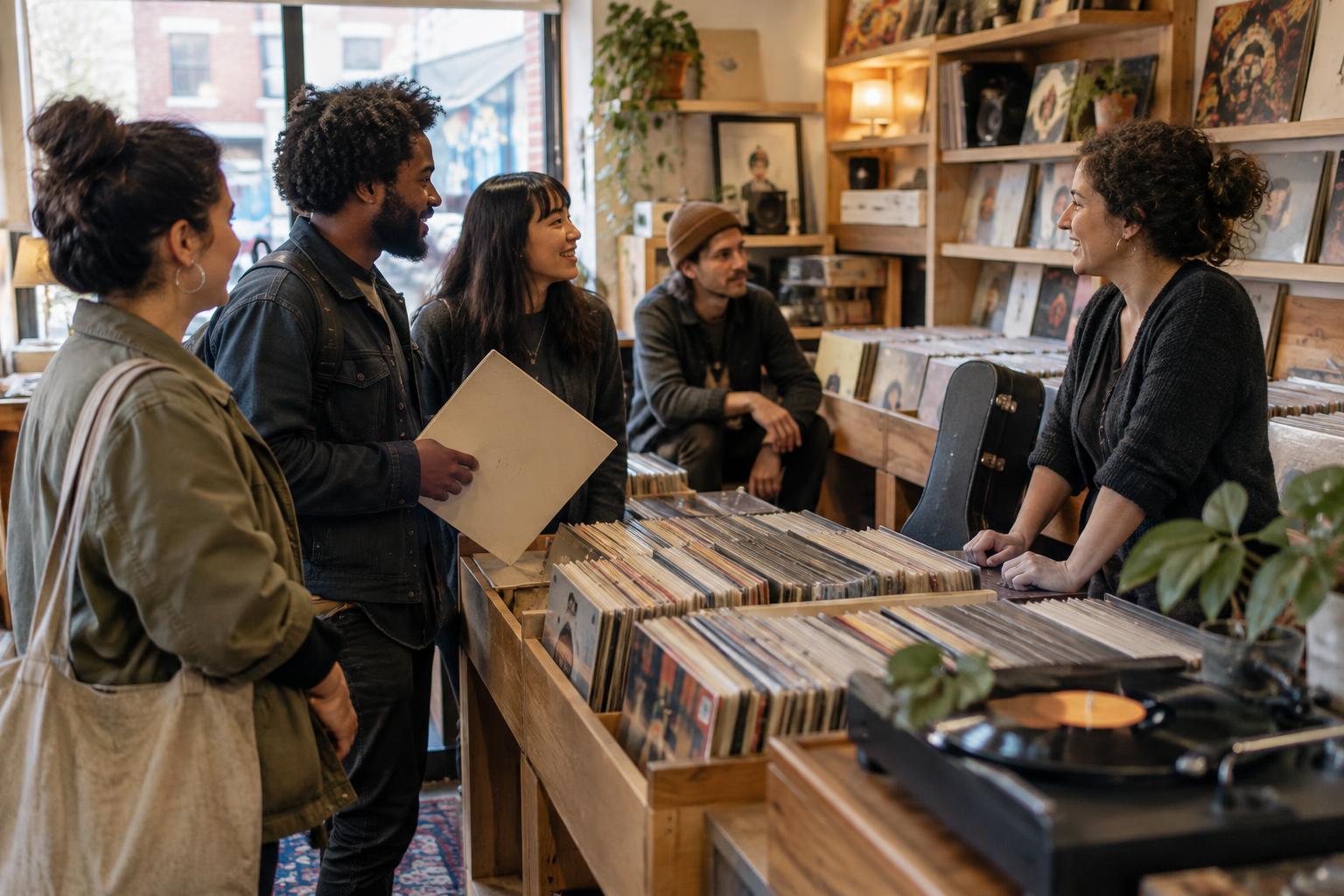
If you have money set aside for music, consider how you want to use it. Buying an artist’s music or merchandise, supporting an independent shop that carries local releases, or purchasing a ticket to a show you can attend are all ways to participate. Some artists and spaces offer memberships or other ongoing support options. Read what each option provides and choose only what feels manageable; no one owes a scene a recurring payment.
Support can also be practical rather than financial. If a musician asks for help distributing flyers, a venue welcomes volunteers, or an organizer requests specific skills, you may be able to contribute time. Respect their process and your own limits. Unsolicited work can create extra coordination, so it is better to ask what would help than to assume.
Help build a scene people want to return to
A healthy scene is not only a calendar of performances. It is also a network of relationships. Give credit when sharing a live photo, ask permission before posting recordings, and remember that the person behind the mixing desk or door is part of the night’s work. If you hear about a new listener looking for a place to start, point them toward an artist or event that suits their interests without promising what their experience will be.
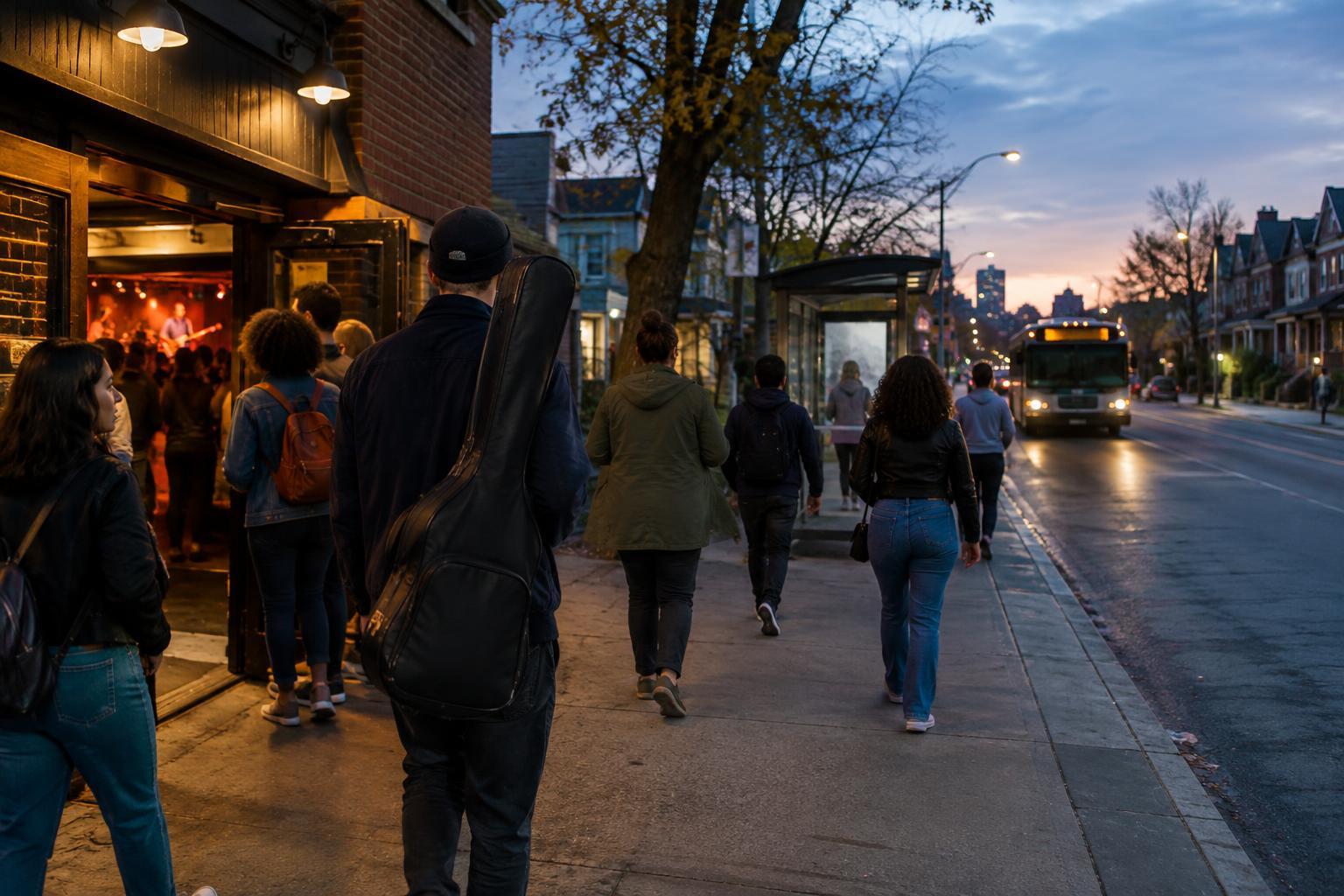
When you can attend, show up with curiosity: listen to the opener, treat fellow audience members considerately and follow the venue’s guidance. When you cannot, stay connected in smaller ways. The goal is not to prove that you are at every show. It is to help good music travel, make room for new people and sustain the connections that bring a local scene to life.