Make a simple plan before you leave
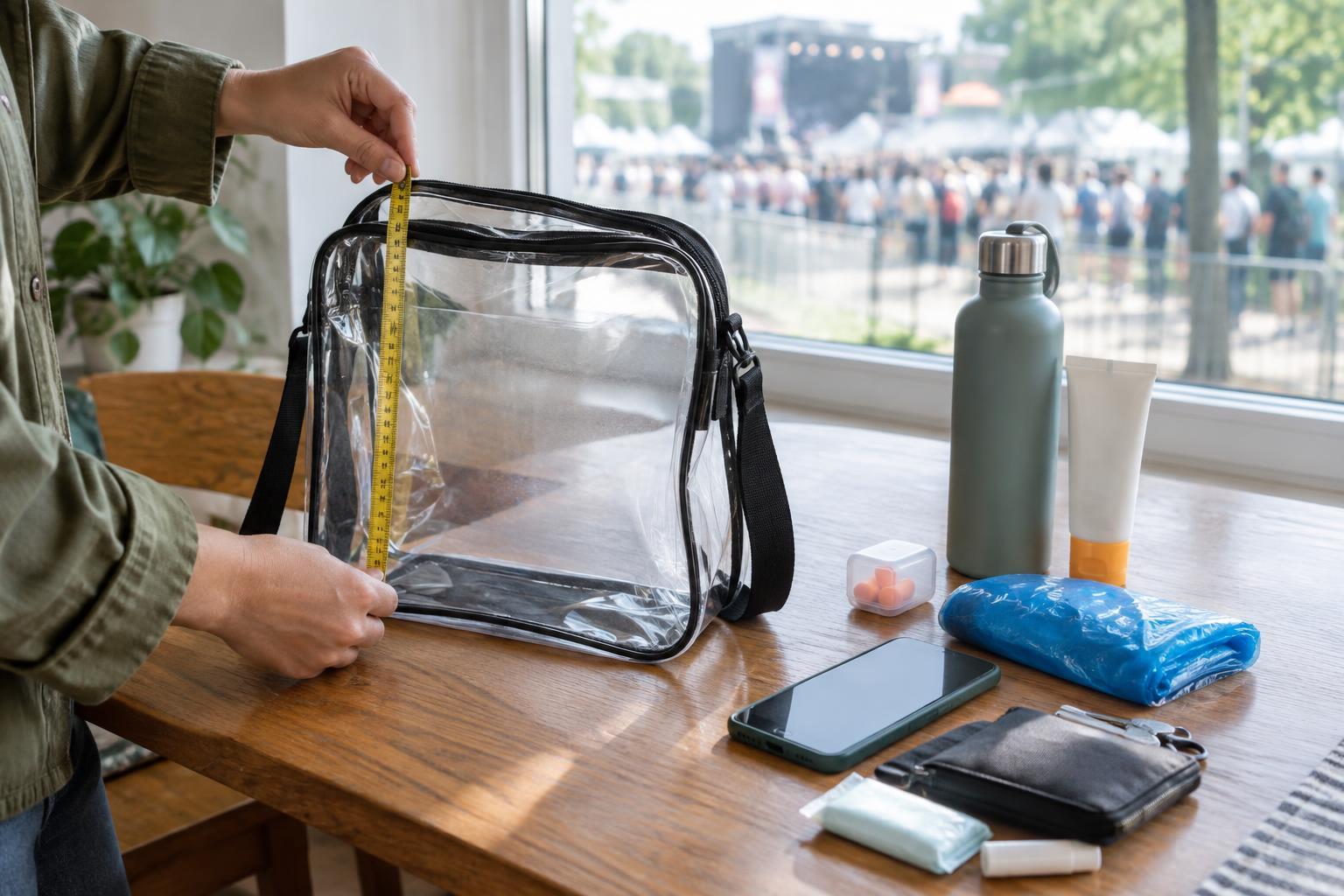
Festival schedules can make it tempting to plan every set and leave food and water to chance. Start by looking at the venue information instead. Check whether you can bring an empty bottle, where refill stations are located, what food is permitted and whether vendors accept your preferred payment method. Rules vary, so use the event’s own guidance rather than assuming that what worked elsewhere will work again.
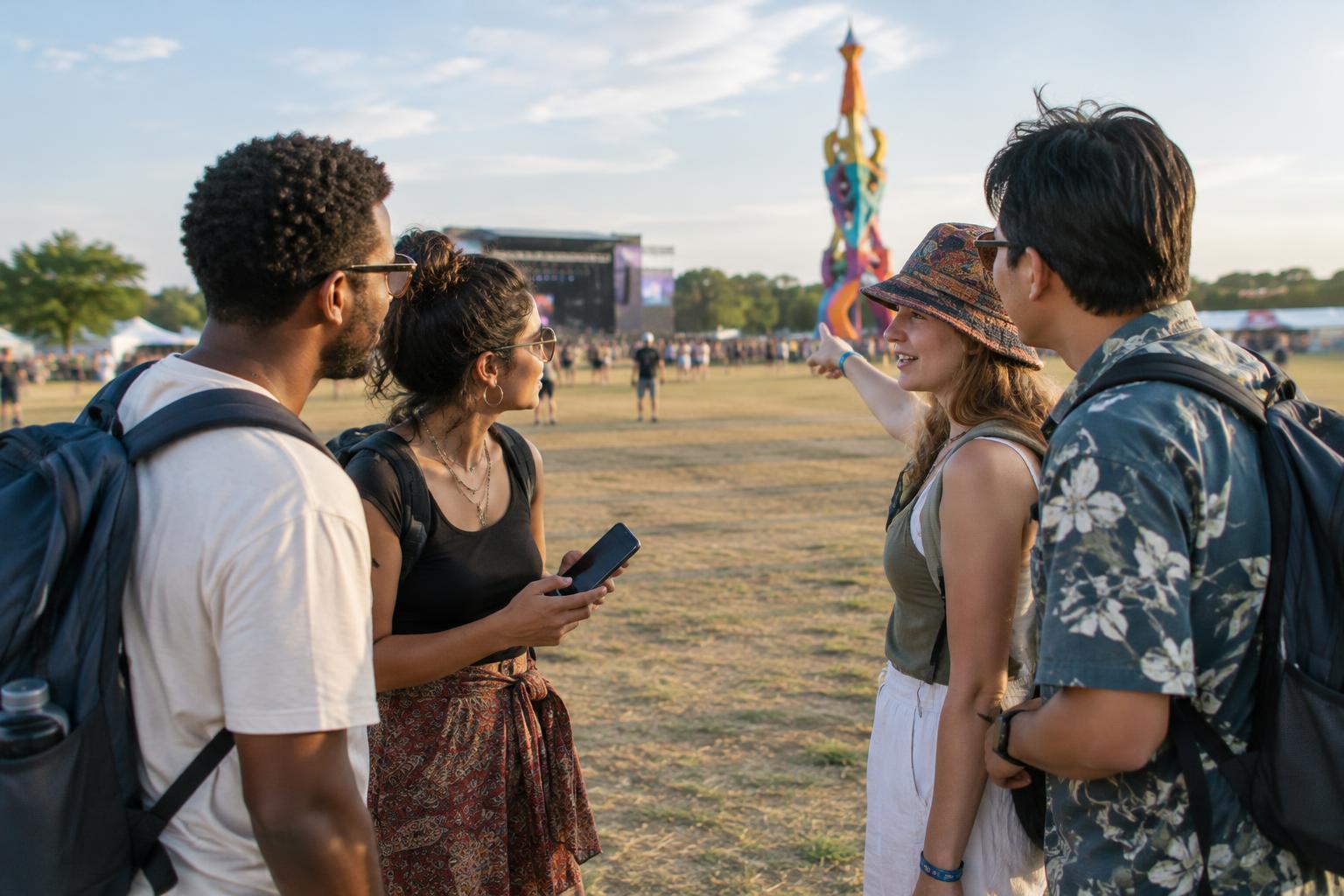
Next, look for natural breaks in your day. A gap between performances can be a chance to refill a bottle or sit down for a meal, but it helps to have a backup window in case a queue is longer than expected. If you are attending with friends, agree on a meeting point before anyone leaves to get food. That small bit of planning can make a busy site feel easier to navigate.
Keep water easy to reach
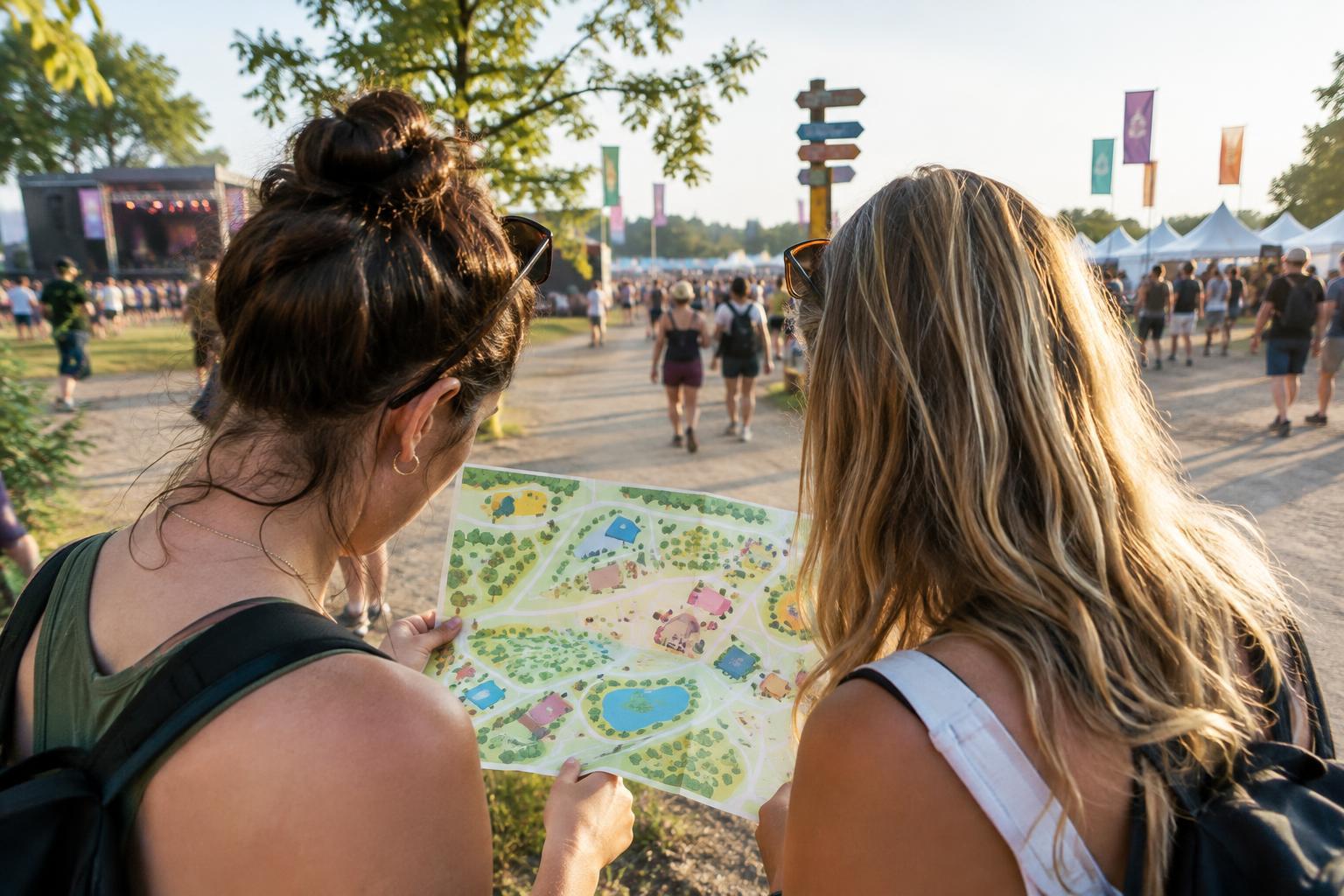
The most useful hydration plan is one you can follow without interrupting every set. If permitted, carry a reusable bottle that is comfortable to hold or clip to your bag. Fill it when you arrive and consider topping it up whenever you pass a refill point, rather than waiting until it is empty. A saved map or a quick mental note of water locations can help when the crowd gets dense.
Heat, dancing and long walks may make you want water more often, while cool weather can make it easier to forget to drink. Pay attention to how you feel and take breaks when you need them. Alcohol is not a substitute for water; if you choose to drink, keep water available too. If you feel unwell, move somewhere calmer and ask festival staff or on-site support for help rather than trying to push through a performance.
Build meals around the day, not just the lineup
Eating before you enter can give you one less decision to make in the first busy hours. Choose a meal that feels satisfying to you, especially if travel and entry queues may delay your next chance to eat. Once inside, scan food options before you are urgently hungry. That gives you time to compare queues, prices and choices without missing a performance you were hoping to catch.
Aim to set aside an actual meal break rather than relying on occasional bites while walking between stages. A seated pause is also an opportunity to rest your feet, check the schedule and refill water. If your plans change, move the meal break rather than skipping it automatically. The goal is a flexible rhythm that lets you enjoy the music without spending the whole day searching for your next snack.
Pack snacks that suit the venue and the weather
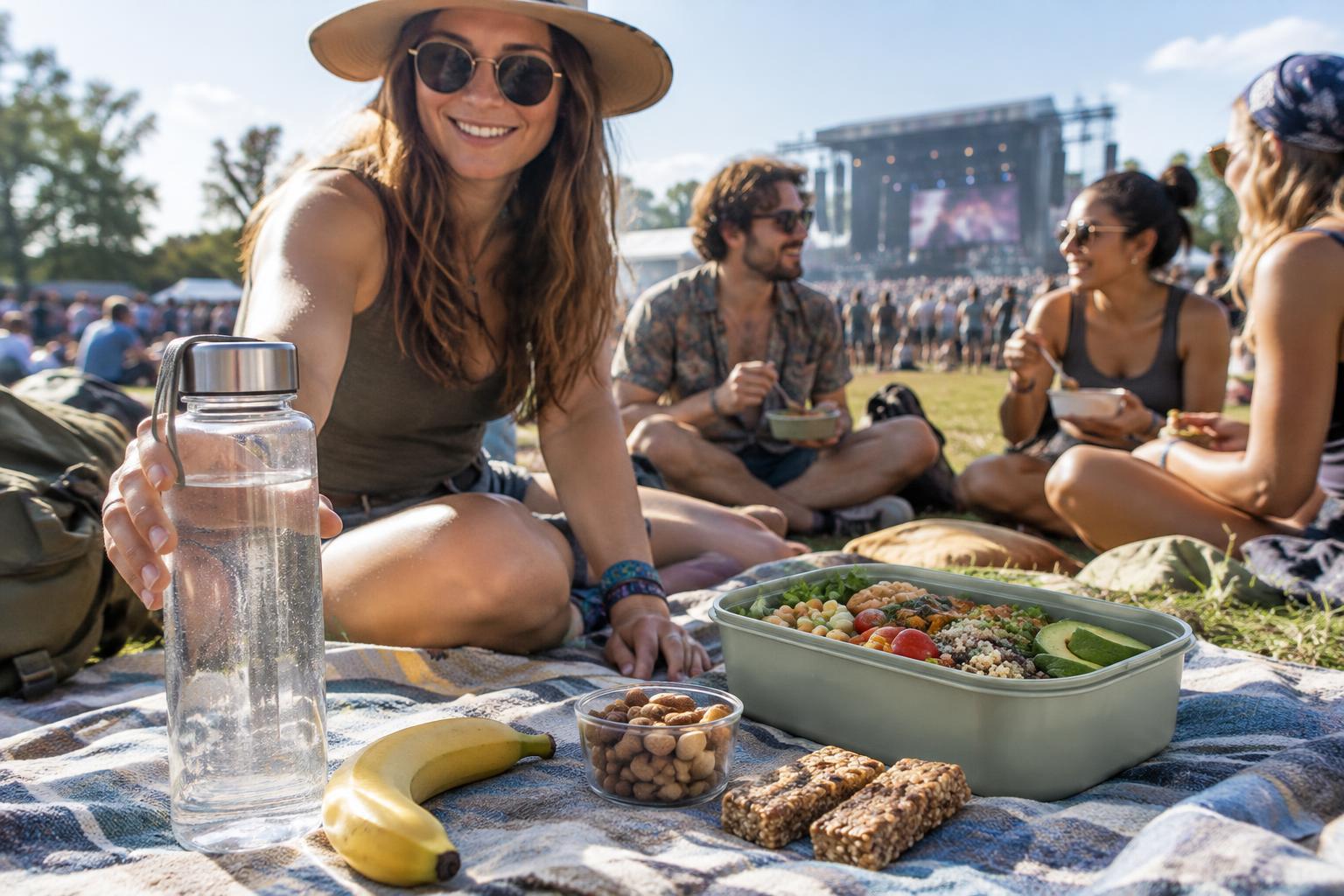
Where outside food is allowed, a few compact snacks can bridge the gap between meals. Choose items that travel well in your bag and are easy to eat without much preparation. Think about packaging, too: a snack that will not crumble, melt or leak is more useful in a crowded field. Carry a small bag for wrappers if bins are not nearby, and keep anything you bring within the venue’s rules.
Perishable foods need more care, particularly on a warm day. If you cannot keep something at a suitable temperature, buying it closer to the time you will eat may be simpler than carrying it for hours. For dietary restrictions, inspect vendor information in advance if it is available, but leave room for plans to change. When ingredients or preparation practices matter to you, ask the vendor directly rather than guessing from a menu name.
Leave room for the unexpected
A delayed set, a long food line or a sudden change in weather can rearrange the best itinerary. Keep your plan light enough to adapt: know where you can get water, identify more than one possible meal time and avoid making a single vendor your only food option. If you are attending with others, let them know when you are taking a break. You do not have to stay at the front of a crowd all day to have a memorable festival experience.
Before heading home, check in with yourself and your group. Refill water if the journey will be long, gather your belongings and make sure everyone knows the route out. Food and hydration planning is not about following a perfect schedule. It is about removing a few avoidable distractions so you can give the performances, and the people you share them with, your attention.