Make hearing protection part of your packing list
A music festival can mean hours of sound across several stages, not just one loud headline set. The level you hear changes as you move through a crowd, stand near speakers or visit a smaller enclosed space. Because you may not know in advance where you will end up, pack hearing protection as routinely as you pack water and comfortable shoes.
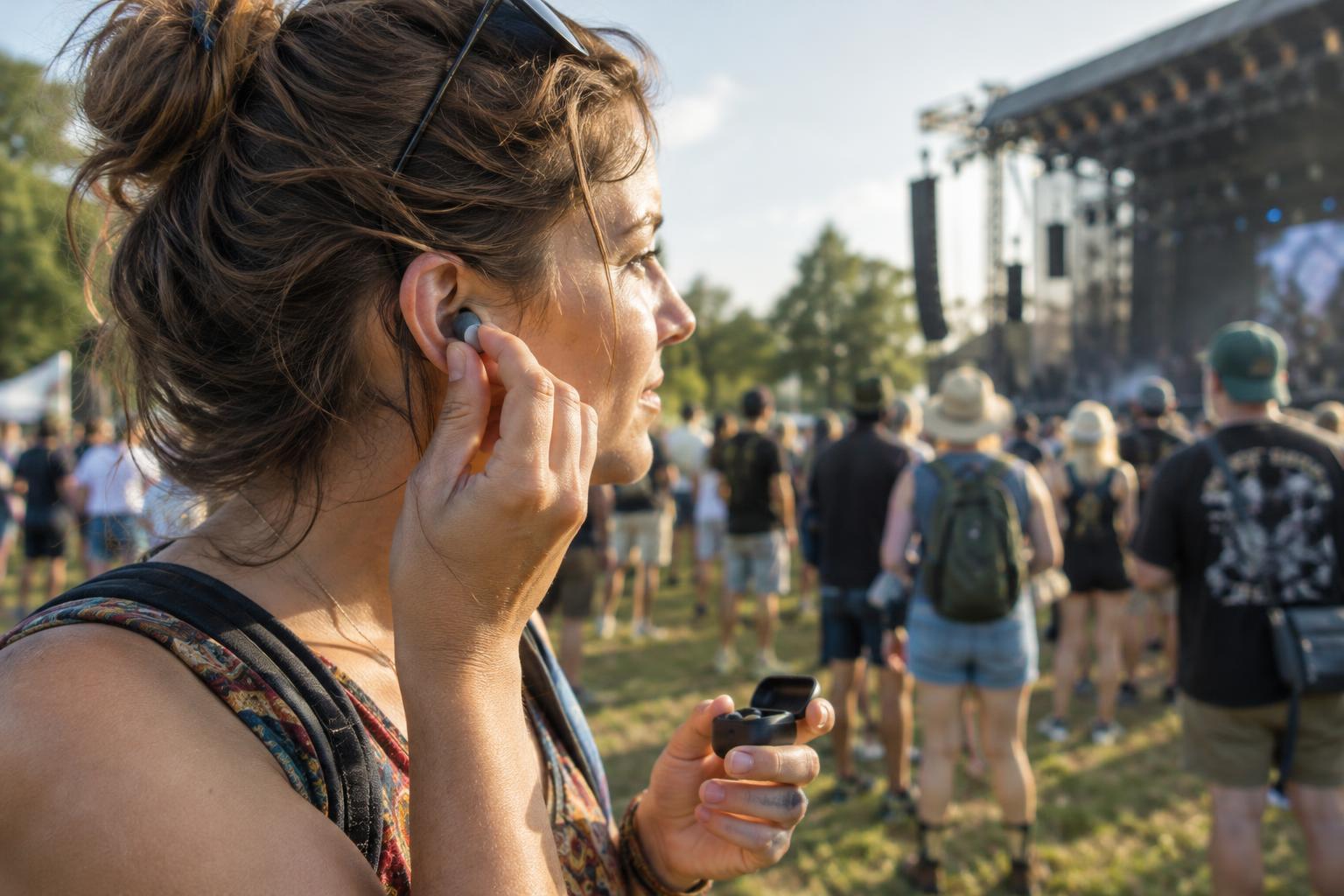
Earplugs made for music are one option. They are designed to reduce sound while letting you hear the performance, though the result depends on the product and how well it fits. Simple foam earplugs can also be useful, especially as a spare pair. Choose something you are willing to wear for a full set, and try it before the festival so you are not figuring out the fit in a noisy crowd.
Use earplugs early and wear them correctly
It is easier to keep earplugs in than to remember to put them in once you have settled into a set. Put them in before you approach a loud stage, and keep them in when you move between nearby stages if the sound remains strong. Taking them out for a favorite song may feel tempting, but that is often when you are most focused on the music and least likely to notice how loud it is.
Fit matters. Follow the instructions that come with your earplugs, and check that both sides feel secure and sound reasonably balanced. If an earplug feels uncomfortable or keeps slipping out, a different size or style may work better. Carry a clean case so reusable plugs do not spend the day loose in a pocket, and keep a backup pair in case one gets lost.
Choose your spot with your ears in mind
Where you stand can make a difference to your listening experience. If a spot feels uncomfortably loud, step farther from the speakers or move to the side rather than trying to endure it. Sound can vary across a venue, so use your own comfort as a guide instead of assuming every place at a similar distance will feel the same.
A little space can improve the rest of your day, too. Standing back may make it easier to talk to a friend, move between sets and notice the full performance rather than only the force of the sound. You can still get close for a song you love; the aim is to make that a choice, not your default position for hours. Keep paths and exits clear, and follow venue staff directions when moving around a stage.
Give yourself quieter moments between sets
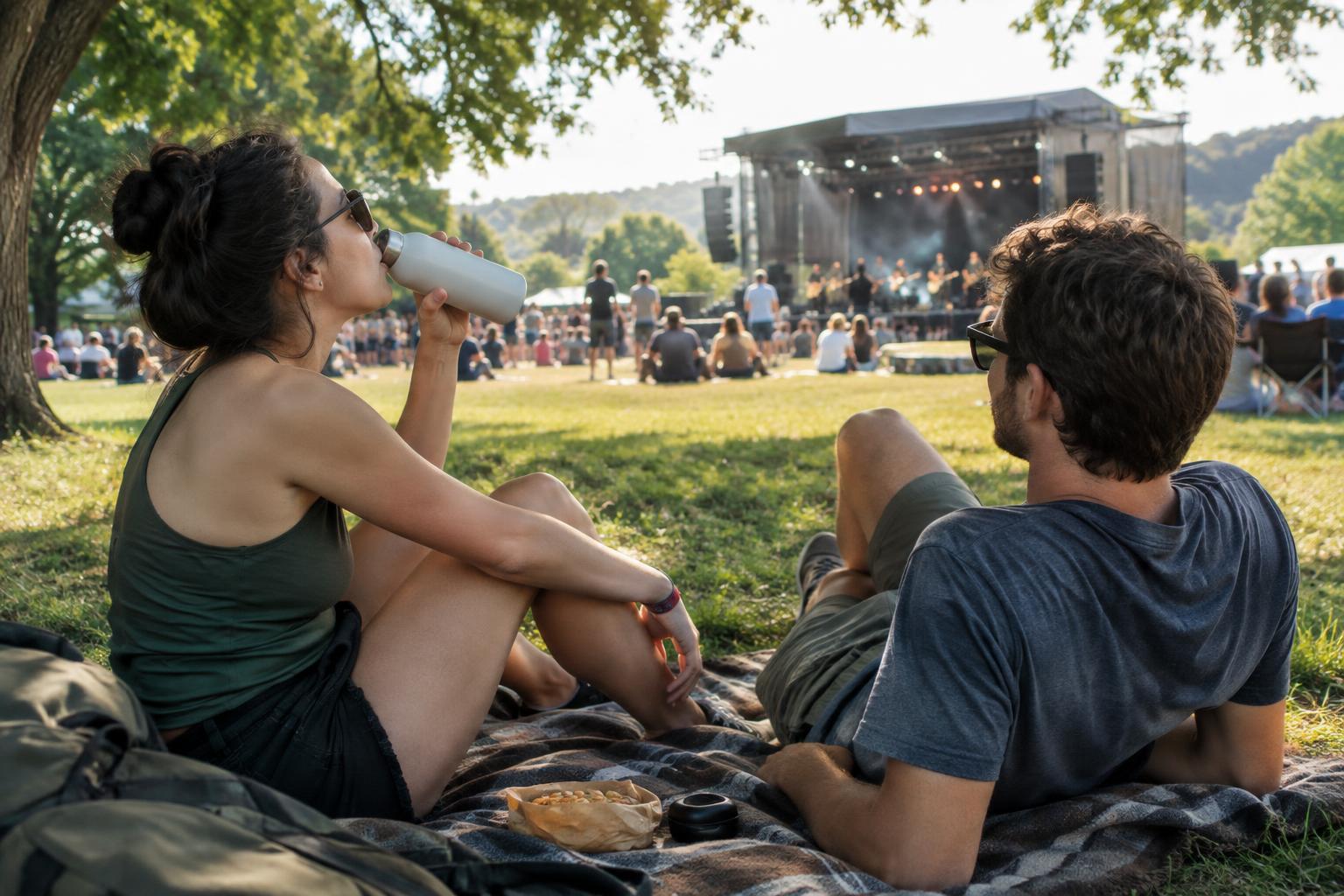
Festivals rarely go silent between performances. Food areas, queues, DJ tents and neighboring stages can keep the noise going while you think you are taking a break. When you have a gap in your schedule, look for a genuinely quieter place to sit, eat or talk. You do not need to fill every minute with another set to have a worthwhile day.
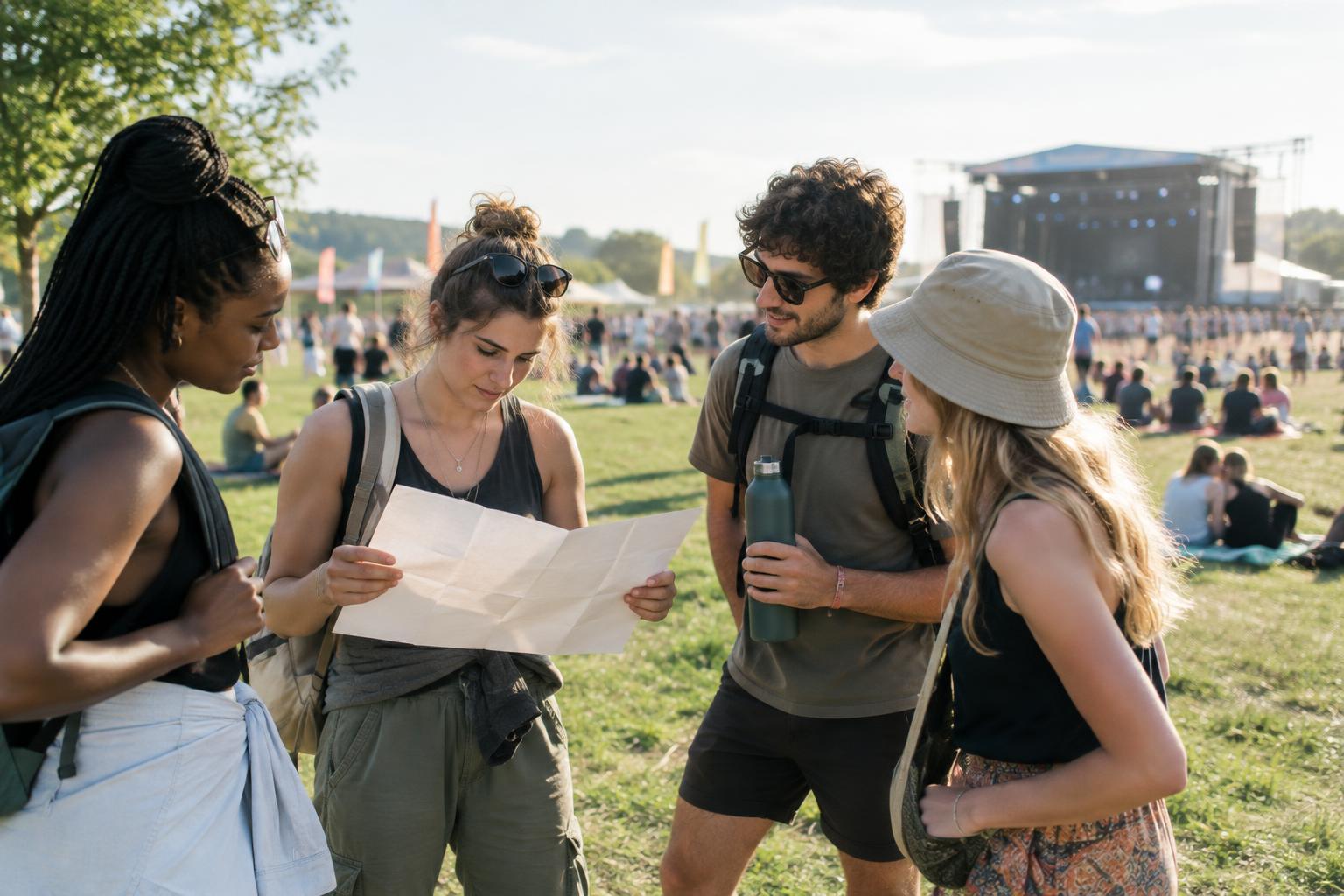
Pay attention to signs that the sound feels overwhelming, such as discomfort, a sense that your ears need a rest or difficulty following conversation after leaving a stage. Those experiences are reasons to move somewhere quieter, not challenges to push through. If you are attending with friends, agree on an easy meeting point away from the loudest areas so anyone can step out without losing the group.
Plan for the journey home as well
Hearing protection does not have to end when the final set does. After a loud day, consider keeping the trip home relatively quiet rather than turning up headphones to compete with traffic or a crowded train. If you are going to another festival day, check that your earplugs are clean, intact and ready to use again.
Some people notice temporary ringing or muffled hearing after loud music. Do not treat those sensations as a normal price of a good show. Give your ears a break from loud sound, and seek guidance from a qualified healthcare professional if symptoms are persistent, concerning or accompanied by pain. The simplest festival habit is also the most repeatable: bring protection, use it before things get loud, and take quieter breaks whenever you can.