Plan for the day, not just the forecast
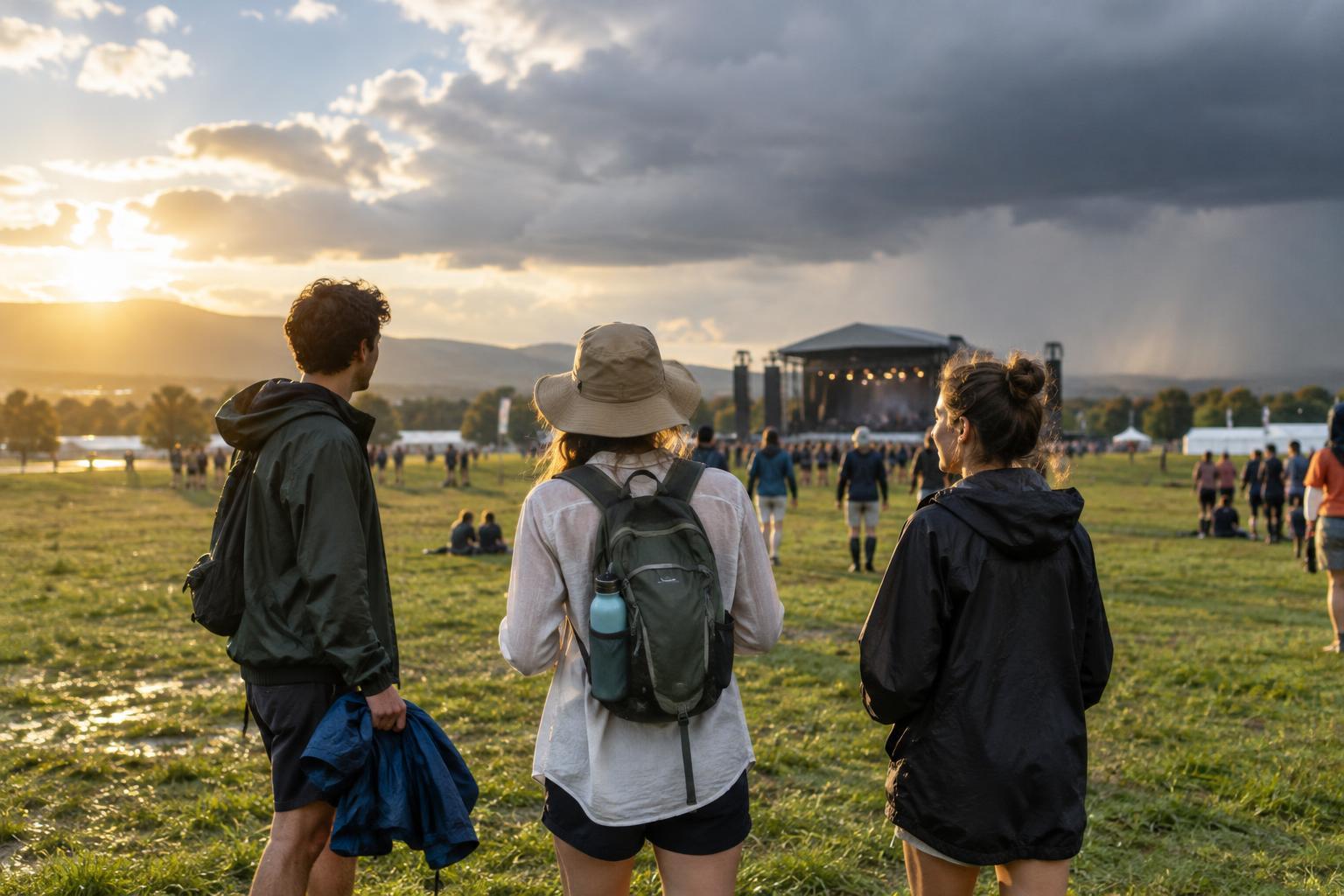
A forecast is a starting point, not a packing list. Even when the day looks settled, an outdoor festival can feel different in an open field, under a tent or in a dense crowd. Check the expected conditions close to departure, then think through the full stretch of time you plan to be there. A warm afternoon may end with a cool, damp trip home.
Before you pack, read the event’s current entry rules and site information. Bag size limits, permitted water containers and policies on umbrellas can vary. If a site map is available, note where you could find drinking water, shelter and a quieter place to take a break. That preparation is more useful than trying to predict every change in the sky.
Dress in layers that are easy to carry
Choose clothes you can adjust without returning to a car or locker. A light base layer and a packable outer layer offer more options than one heavy garment. For rain, a waterproof jacket with a hood is often easier to manage in a crowd than an umbrella, if the venue permits it. A compact poncho can be a backup, but test its fit before relying on it for a long day.
Footwear matters as much as a jacket. Shoes you have already worn for long walks are usually a safer bet for comfort than a new pair, particularly when paths turn muddy. Consider socks that stay comfortable when damp and bring a spare pair in a sealed bag if space allows. Avoid assuming that a sunny start means dry ground: grass and unpaved routes may still be wet.
For heat, favor light, breathable clothing and a hat that does not block anyone’s view. If the temperature may drop after sunset, add a thin layer you can tie around your waist or fold into your bag. The aim is not to pack for every imaginable condition; it is to make a few small adjustments possible as the day unfolds.
Build a small, weather-ready kit
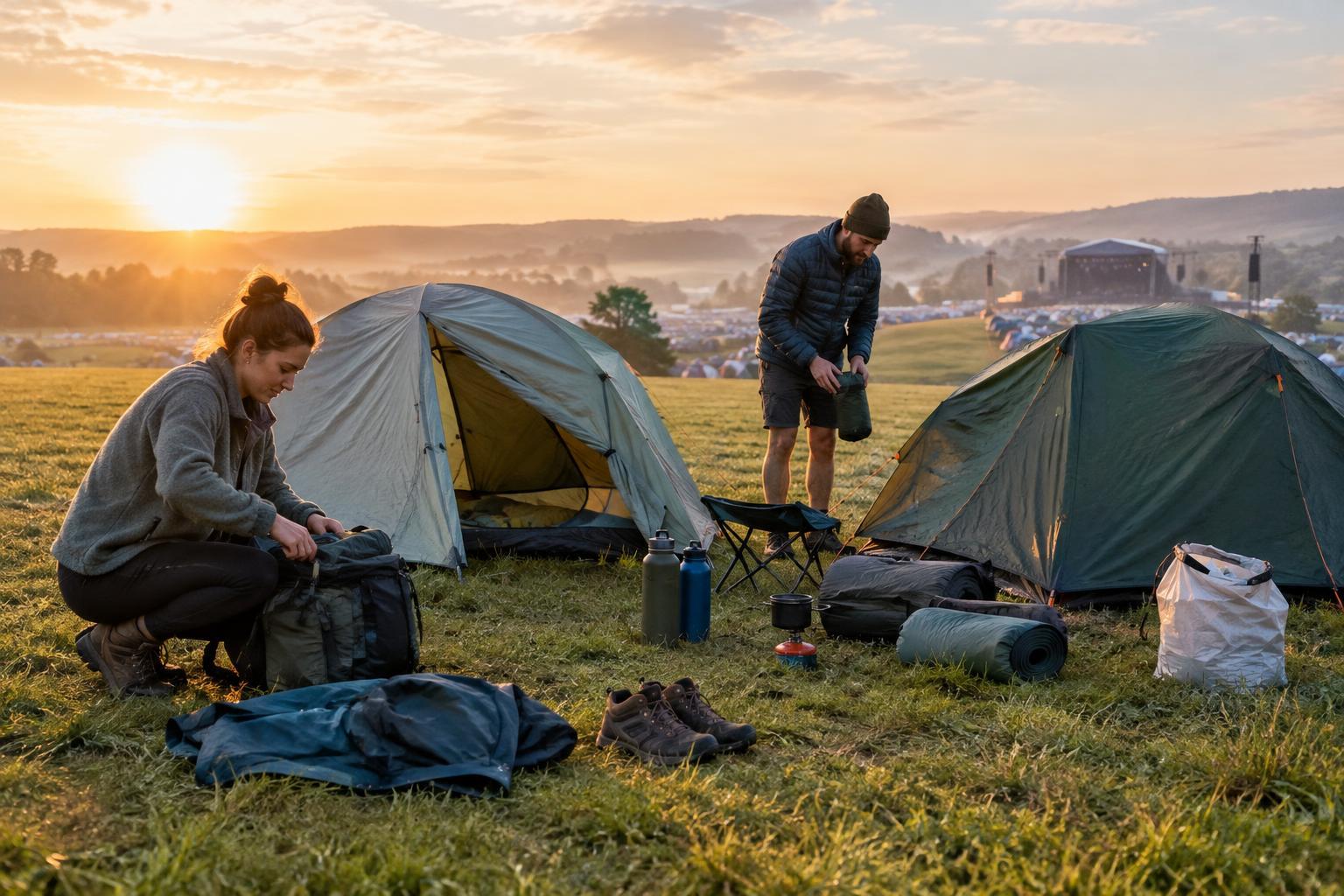
Start with items you are likely to use: a refillable water bottle if allowed, sun protection, a compact rain layer and a small bag for damp clothing. A resealable pouch can help keep a phone, ticket or other essentials dry, though it is worth checking that it closes properly before leaving. Keep anything needed at the gate easy to reach rather than buried beneath spare clothes.
Pack with the venue’s bag rules in mind and leave room for what you may collect during the day. An overfilled bag becomes tiring to carry and awkward to search in a crowd. If you are attending with friends, you can divide shared items such as an extra poncho or a small towel while each person keeps their own essentials.
Adjust your pace as conditions change
In hot weather, make time for water and breaks rather than waiting until you feel worn out. Shade can be limited near popular stages, so consider stepping away between performances. In rain, move carefully on slopes, grass and temporary flooring, where footing may change quickly. A shorter route across the site is not always the easiest one.
Pay attention to announcements from event staff if weather affects access or performances. Set changes, closed areas or requests to move may be inconvenient, but following on-site directions is better than guessing what is safe. If conditions become difficult for you or someone in your group, ask event staff for help.
Make a simple plan for getting home
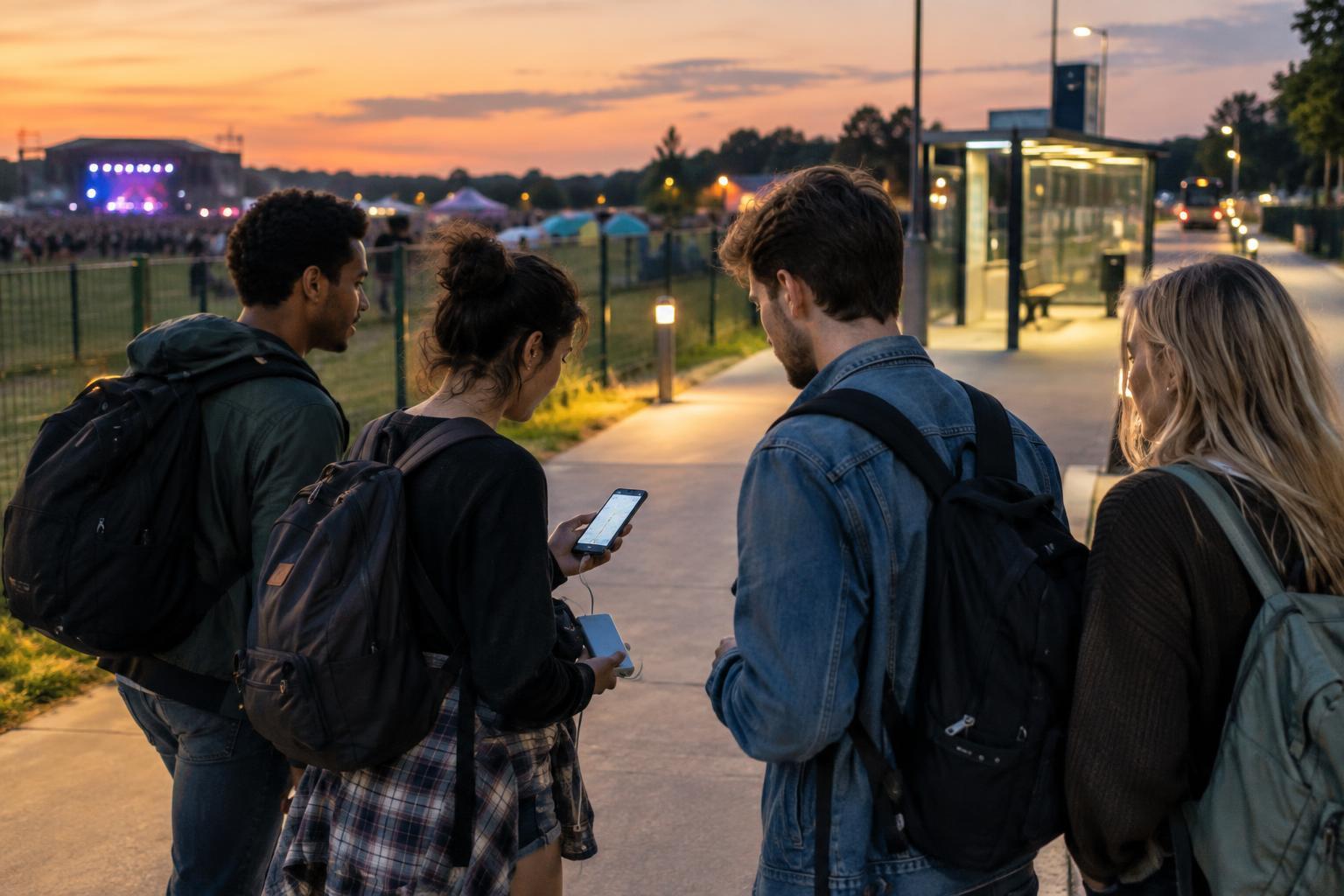
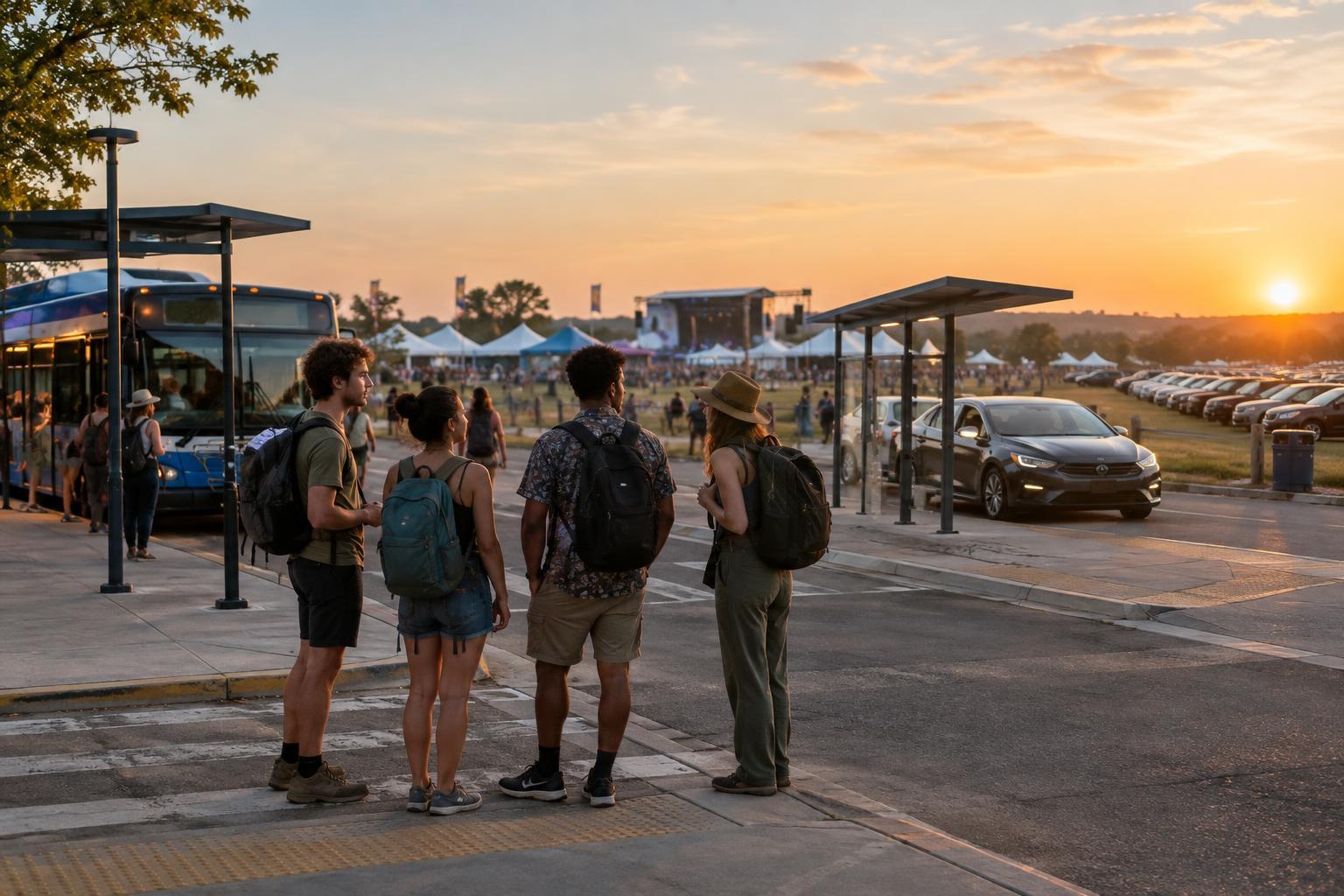
Weather preparation does not end with the last song. Think about the walk to your transport, especially if you expect darkness, rain or a long wait. Keep a dry layer available for that final stretch instead of using every spare item early. If you are meeting friends afterward, agree on a specific meeting point that does not depend on standing beside a busy stage.
A useful festival weather plan is flexible: check the rules, wear adaptable layers, protect your essentials and leave space to change course. You may never need the rain layer or spare socks. Carrying a few well-chosen items, however, can make a changing day easier to enjoy.