Start with a question, not a master list
A local music scene is a network of performers, organizers, listeners and spaces, not a fixed set of addresses. The most useful map begins with a question: Where can I hear unfamiliar music? Which rooms welcome newer acts? Where does a particular sound find an audience? A clear purpose keeps the project manageable and helps you notice connections that a directory of venues might miss.
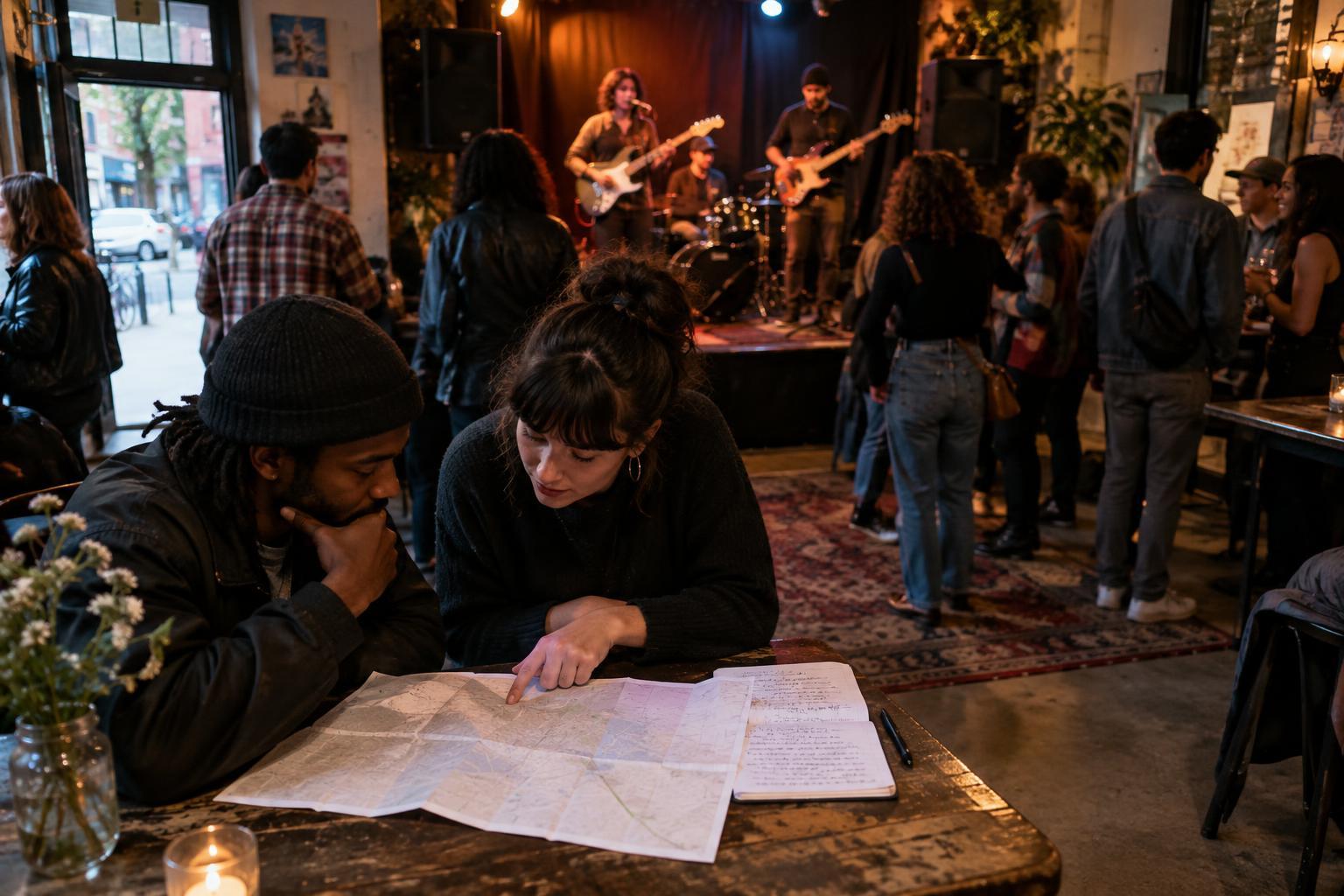
Choose a small area or a few related styles to explore first. Keep a simple record with columns for venue, recurring night, organizer, performers, music, and how you learned about each entry. Add a notes column for details that affect a visit, such as whether a space is seated, whether a show is all-ages, or whether the room is easy to reach. Treat every listing as a lead to check, not a permanent fact.
Follow venues beyond the obvious stages
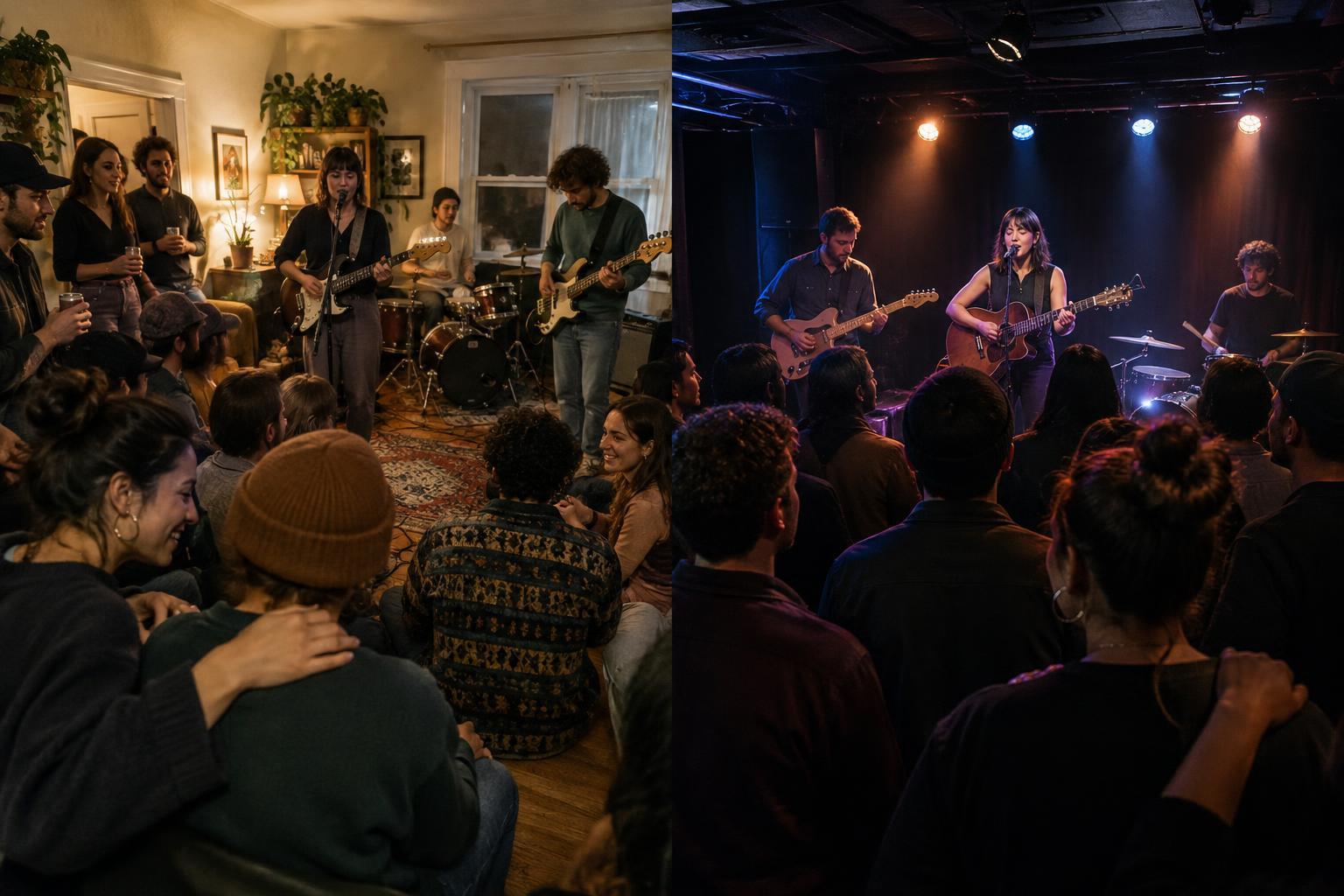
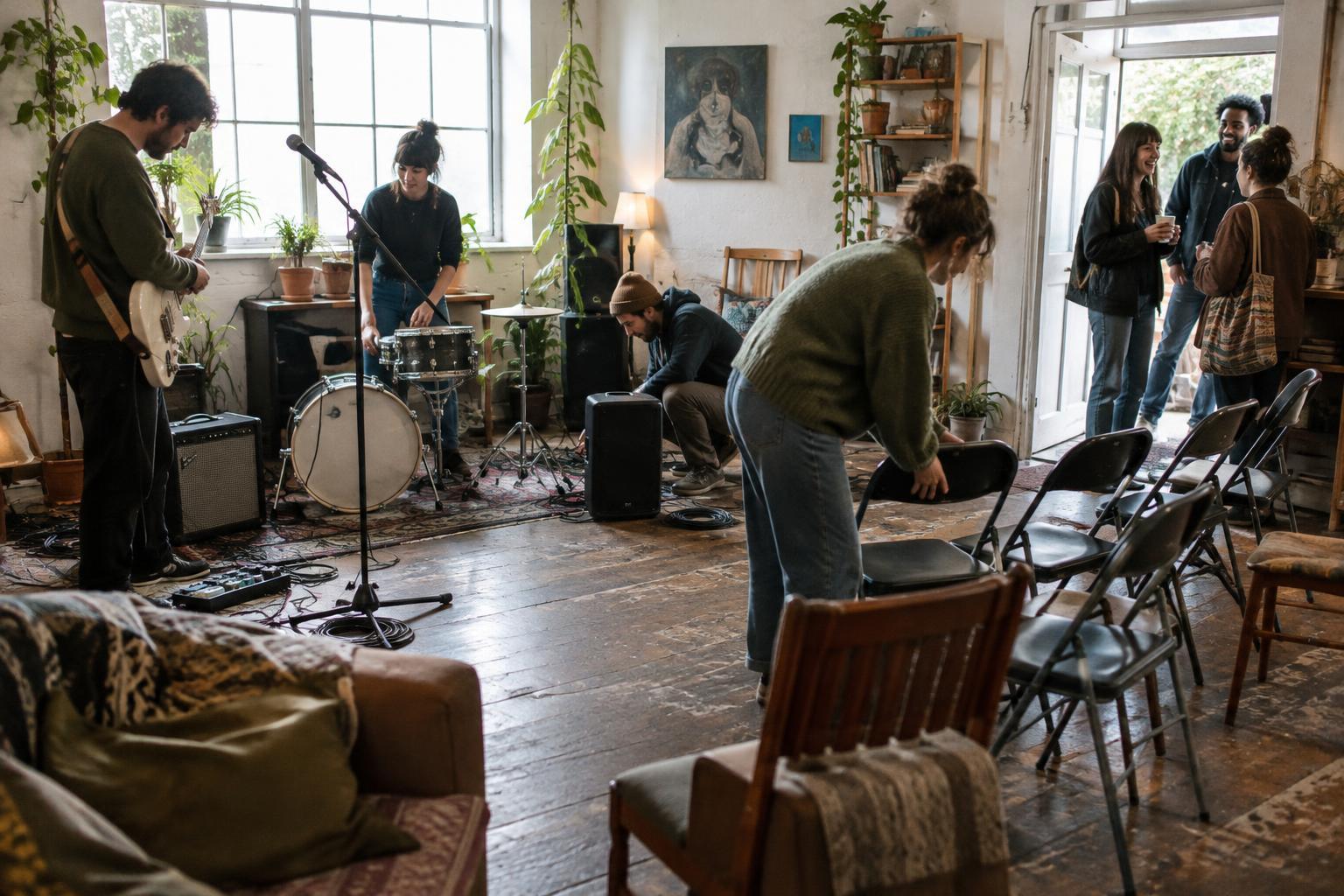
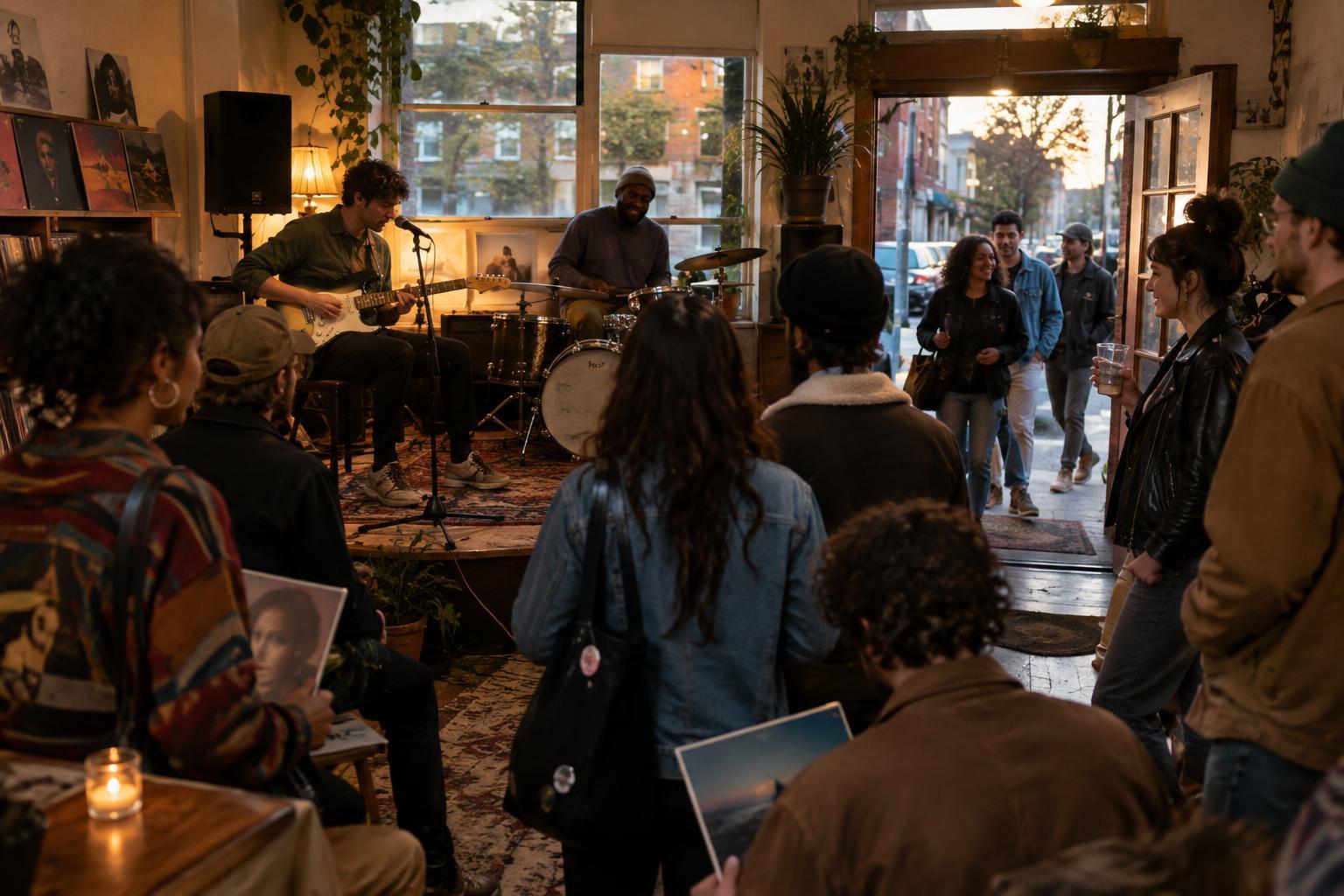
Dedicated music venues are a natural starting point, but scenes also gather in community spaces, galleries, cafes, record shops and temporary rooms. Look at what kinds of bills a space hosts rather than assigning it a single genre. A venue that presents several styles may be a meeting point for audiences and performers who would otherwise rarely cross paths.
Notice the role each space plays. One room may be known for attentive listening; another may give emerging performers an accessible first stage. Capacity and equipment can shape a show, but so can atmosphere, location and the people who return. If you are making a personal map, record what you observed separately from what a listing promises. A single visit cannot tell you everything about a venue.
Find the people who make shows happen
Collectives, promoters, independent labels, artist-run groups and community organizations often connect shows across multiple rooms. Following an organizer can reveal a series of events that a venue-by-venue search would scatter. Look for names that appear repeatedly on posters and in event descriptions, then note the performers and spaces associated with them.
Avoid assuming that a shared bill means every act belongs to one close-knit group. Collaboration may be occasional, and an organizer’s focus may change. When possible, read how people describe their own work, and use their chosen names and terms. If you plan to publish your map, stick to publicly shared information unless you have permission to include more. The aim is to help readers find music, not to expose private networks.
Use recurring nights as your route in
A recurring night can be easier to follow than a long calendar of one-off shows. Open mics, listening sessions, DJ residencies and themed showcases give audiences a familiar place to return while leaving room for different performers. Note the night’s usual format, who organizes it and whether its lineup changes. Check the latest announcement before making plans; a regular series can move rooms, pause or alter its schedule.
Visit more than once if you can. On a first night, you may focus on the headliner. On another, the opener, guest DJ or conversations between sets may point you toward something new. You do not need to know everyone to learn from the experience. Listen, buy admission or merchandise when it suits your budget, and give performers and other attendees room to enjoy the show.
Turn your notes into a map you can use
After a few outings, draw connections among the entries. You might link a collective to the nights it organizes, a performer to rooms where you have seen them play, or a venue to the different audiences it brings together. Mark how you know each connection: a public listing, a poster or your own visit. This makes the map more useful than an unlabeled cluster of names.
Keep the map open-ended. Add places and people you encounter, revisit entries that have gone quiet, and remove details you can no longer confirm. Make room for scenes that overlap without flattening them into one story. A good local music map does not claim to show everything happening in a city. It gives you a thoughtful way to choose your next show—and a way to keep listening after you get there.