Why start with a label?
When you find a song you love, the usual next step is to hear more from the artist. Looking at the record label offers another route. A label’s catalog may bring together musicians who share an approach to sound, a local scene or an interest in taking risks. It can also lead you somewhere unexpected: the artist who drew you in might be only one small part of a much wider catalog.
An independent label is not a genre guarantee or a stamp of quality. Some release closely related music, while others move freely between styles. Think of the label name as a clue, not a verdict. Your goal is to find people whose choices repeatedly interest you, then use those choices to guide your next listen.
Follow a release back to its catalog
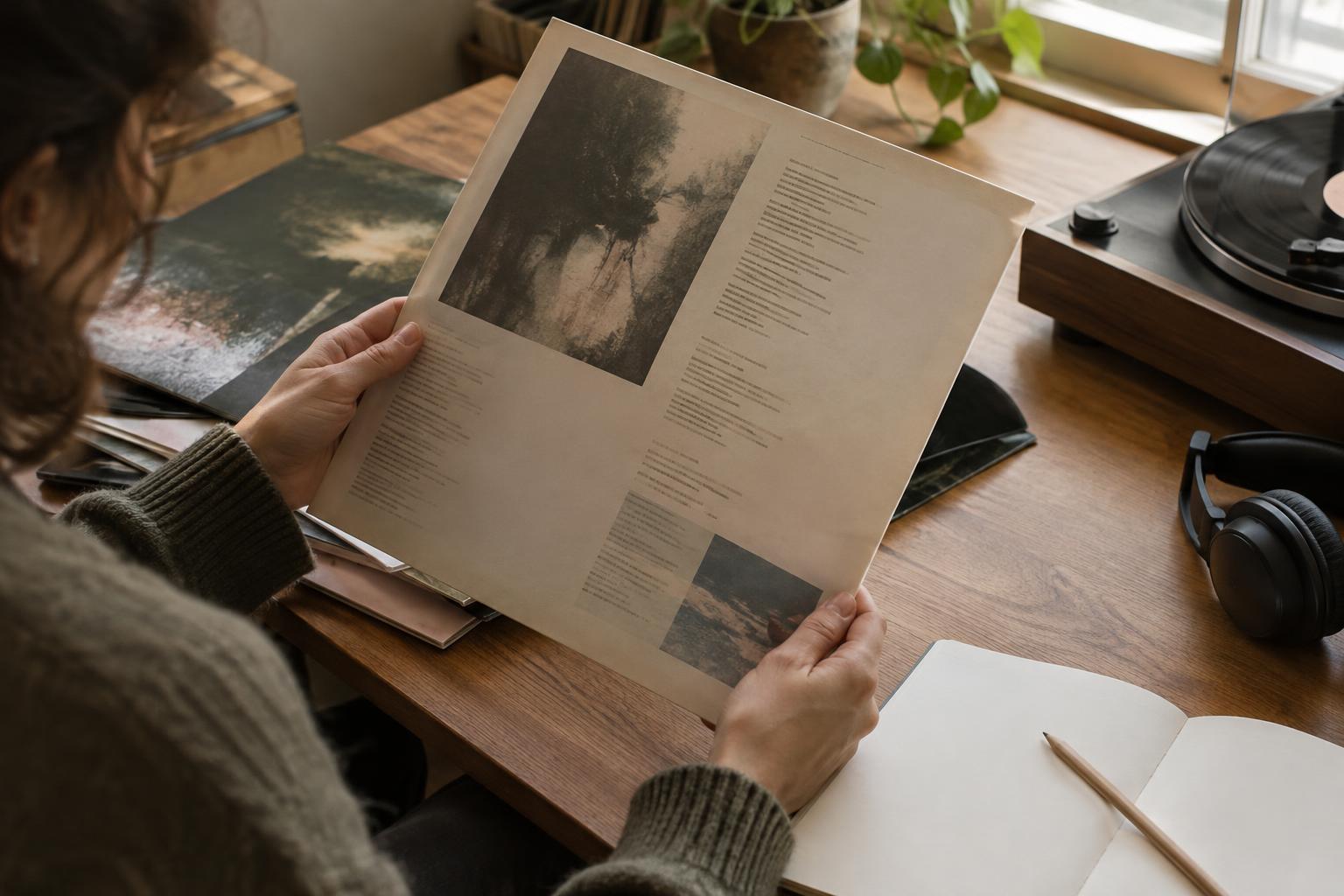
Start with one track or album you already enjoy and look at its release information. If a label is named, visit its website or catalog page, if it has one. Browse a few releases on either side of the one you know rather than jumping straight to the most prominent artist. Cover art, brief descriptions and track previews can help you decide what to try first, but give at least a couple of complete songs a chance before judging a release.
It helps to sample in two directions. First, look for music released around the same period as your starting point; those records may reflect a shared set of collaborators or interests. Then try something from another part of the catalog. A label’s sound can shift, and a different era may reveal an artist you would not have found through recommendations based on genre alone.
Keep a short note of what catches your ear. Instead of writing only “liked it,” record something specific: restless drumming, spare arrangements, warm vocals or an unusual use of space. These details make it easier to choose your next release and to recognize connections across styles.
Use compilations and credits as branching paths
Label compilations and sampler playlists, when available, are efficient starting points because they place several artists within easy reach. Treat them as introductions rather than summaries. If one track stands out, seek out the full release; a song chosen for a compilation may not show every side of an artist. If none of the tracks connect with you, move on without assuming the rest of the catalog sounds the same.
Credits offer a second set of paths. A producer, musician, designer or mastering engineer may appear across several releases. Following one of those names can reveal connections within a scene or lead you to another label entirely. Not every credit will be easy to find, and shared personnel do not mean two records will sound alike. That uncertainty is part of the pleasure: credits give you a reason to listen, not a prediction of what you will hear.
Look beyond the catalog page
A label’s own descriptions are useful, but they are only one view of its music. Artist pages, interviews and recordings of performances can add context about how the songs were made or how they change onstage. Look at which artists work together, share a bill or recommend each other. Those relationships can help you move from a label catalog into a broader musical community without relying on a single feed to make every choice.
If you attend live shows, a newly discovered label can also give you a way to prepare. Listen to a few releases before seeing an artist, but leave space for the performance to differ from the recording. Lineups and touring plans can change, so check reliable event information separately rather than treating an old catalog page as a show listing.
Build a habit that stays enjoyable
Discovery works better as a small routine than as a mission to hear everything. Pick one label, listen to two or three releases over a week, and save only the tracks or albums you genuinely want to revisit. You could alternate between a familiar style and a release that seems outside your usual interests. That balance keeps the process inviting without making every listening session feel like homework.
When a label consistently leads you to music you enjoy, consider following its announcements or buying a release when that fits your budget. But do not feel obliged to become loyal to a whole catalog. The most valuable outcome is a wider set of starting points: a new artist, a collaborator’s name, another label, or simply a sound you now know how to describe. Each gives you a fresh way to keep listening.