Begin with a sound, not a syllabus
Exploring a new genre can quickly turn into homework. A search brings up essential albums, influential artists, subgenres, and debates about what counts as the real thing. You do not need to sort through all of that before you can enjoy a song. Start with one sound that made you curious: a rhythm you heard at a show, a vocal style in a friend’s playlist, or an instrument that stood out in a film scene.
Choose one track and listen without trying to identify every influence. Notice what draws you in. Is it the beat, the space in the arrangement, the lyrics, or the way the performers play together? Those observations are more useful than a list of names because they give you a direction for your next listen. If the track does nothing for you, try another. One song cannot represent a whole genre.
Follow a small trail of connections
Once you find a track you like, build a short listening trail rather than opening dozens of tabs. Hear another song by the same artist, then try one collaborator, labelmate, or artist mentioned in a thoughtful description of their work. This keeps the path connected while allowing you to encounter different approaches. You can also move backward by listening to an artist who influenced them, if that connection interests you.
Give yourself a modest limit, such as three new tracks in one sitting. Afterward, decide which one you would willingly play again. Save that track and let the others go for now. A small collection of songs you genuinely enjoy makes a better starting point than a long playlist you feel obliged to finish. As your ears become familiar with the sound, the connections between artists may become easier to hear.
Use guides without treating them as rules
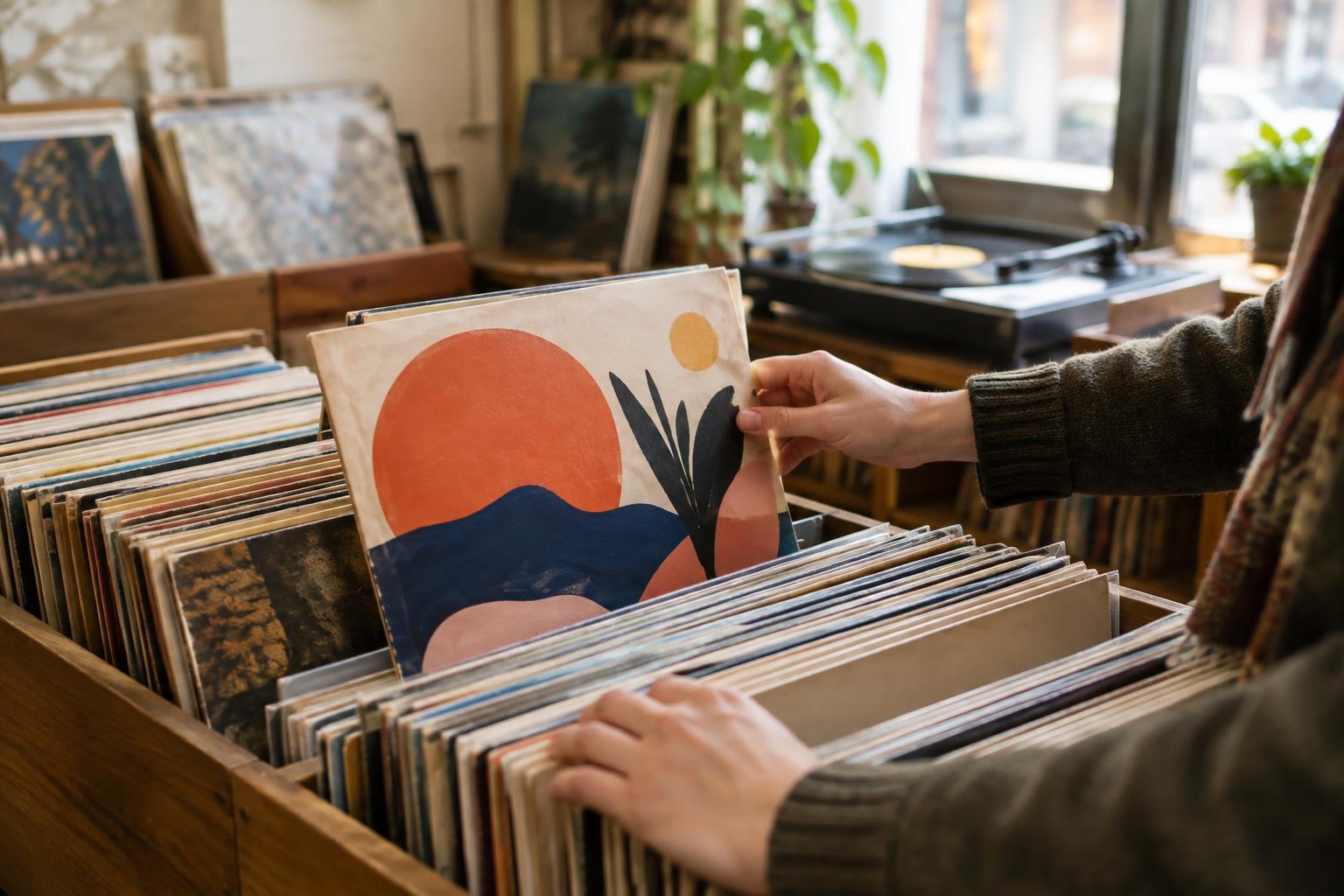
Introductory playlists, record-store sections, reviews, and recommendations from friends can all offer useful entry points. They are maps, not exams. A playlist might emphasize a genre’s most accessible side; a friend might favor a particular era or local scene. Neither needs to define your experience. If a recommended classic does not click, you can set it aside without deciding that the genre is not for you.
Genre labels are helpful for finding music, but their boundaries can be loose. Artists mix styles, and listeners may use the same label in different ways. When you encounter an unfamiliar term, look for a few examples and listen for what they share rather than worrying about a perfect definition. You might discover that the part you love sits at the edge of several genres. That is a useful discovery, not a wrong turn.
Change how you listen
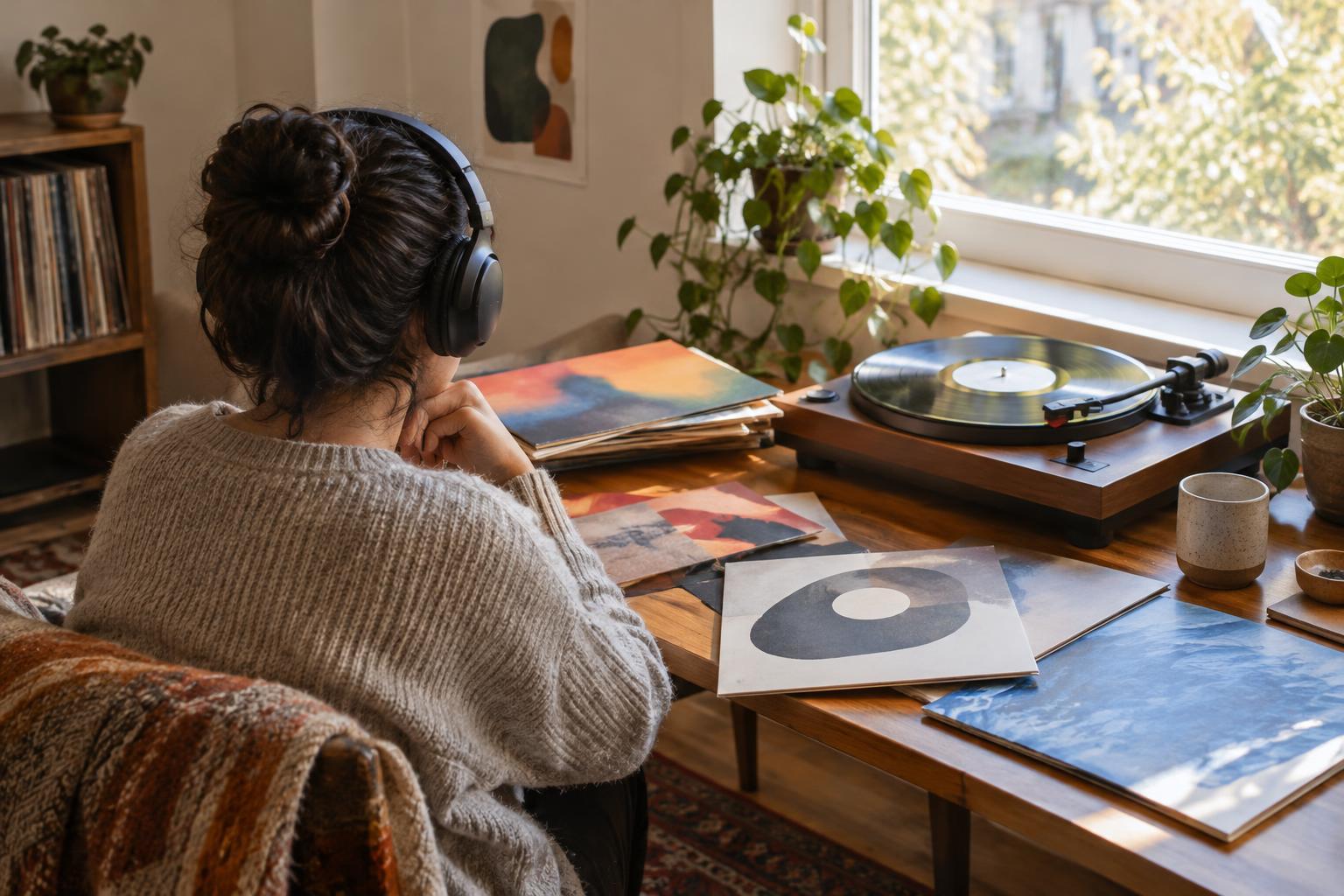
A genre may make more sense in a different setting. Try a focused listen with headphones, then put the same song on while walking or cooking. Pay attention to how a track unfolds, especially if its structure differs from music you usually play. An album can reveal how an artist varies a sound, while a live performance can show how musicians respond to one another and to a room.
You do not have to enjoy every listening format. If a full album feels like too much, stay with individual tracks. If polished recordings leave you cold, try a performance recording where you can hear the energy of the players. For concertgoers, a short set by an unfamiliar artist can be another low-pressure introduction. The aim is not to find the correct way to listen; it is to find a way that helps the music reach you.
Keep curiosity ahead of completion
It is easy to mistake familiarity for progress. Learning a genre’s history can deepen your enjoyment, but you do not need to know every landmark to take part as a listener. Keep a simple note of tracks you like and what you like about them. “Warm vocals,” “restless drums,” or “slow build” is enough. When you want something new, use those notes to ask for a more specific recommendation.
Return to favorites between discoveries. Repeated listens can make details stand out that you missed the first time, and familiar tracks give you a point of comparison for unfamiliar ones. Some branches of a genre may never appeal to you, while others may become regular companions. Let your taste develop that way. The most rewarding path through new music is usually the one you want to keep following.