Give the opener a chance before you arrive
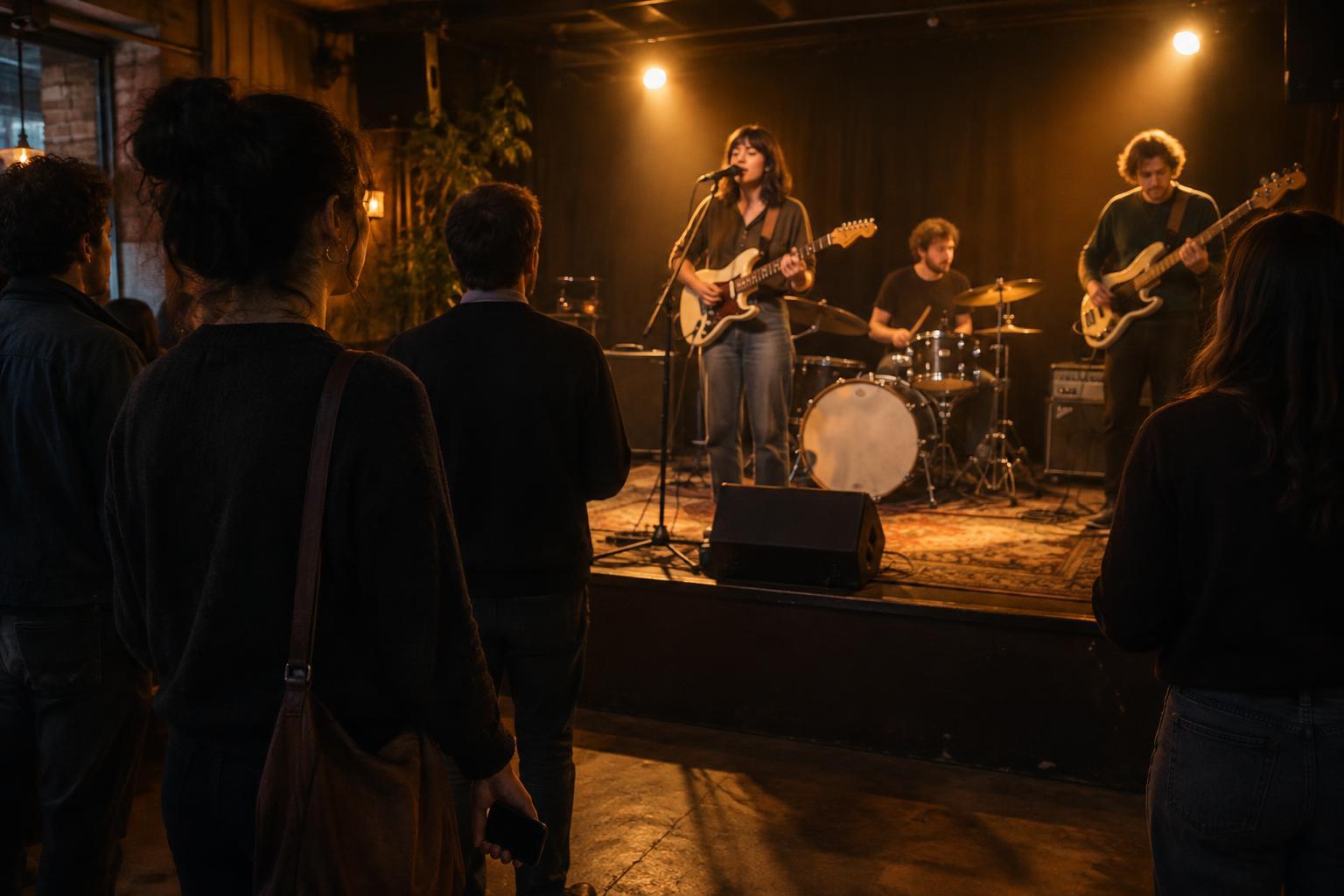
It is easy to think of an opening act as the time before the artist you came to see. But an opener has something a playlist cannot provide: a performance you encounter without having chosen it first. That element of surprise can make live shows a useful way to widen your listening habits, even when the music is not an immediate match for your taste.
If the opening artist is listed in advance, you can listen to a song or two without trying to learn their entire catalog. Notice one detail that interests you, such as a vocal style, a rhythm or an unusual arrangement. Then leave room for the live set to change your impression. A recording may prepare you to recognize a song, but it cannot tell you exactly how that song will feel in the room.
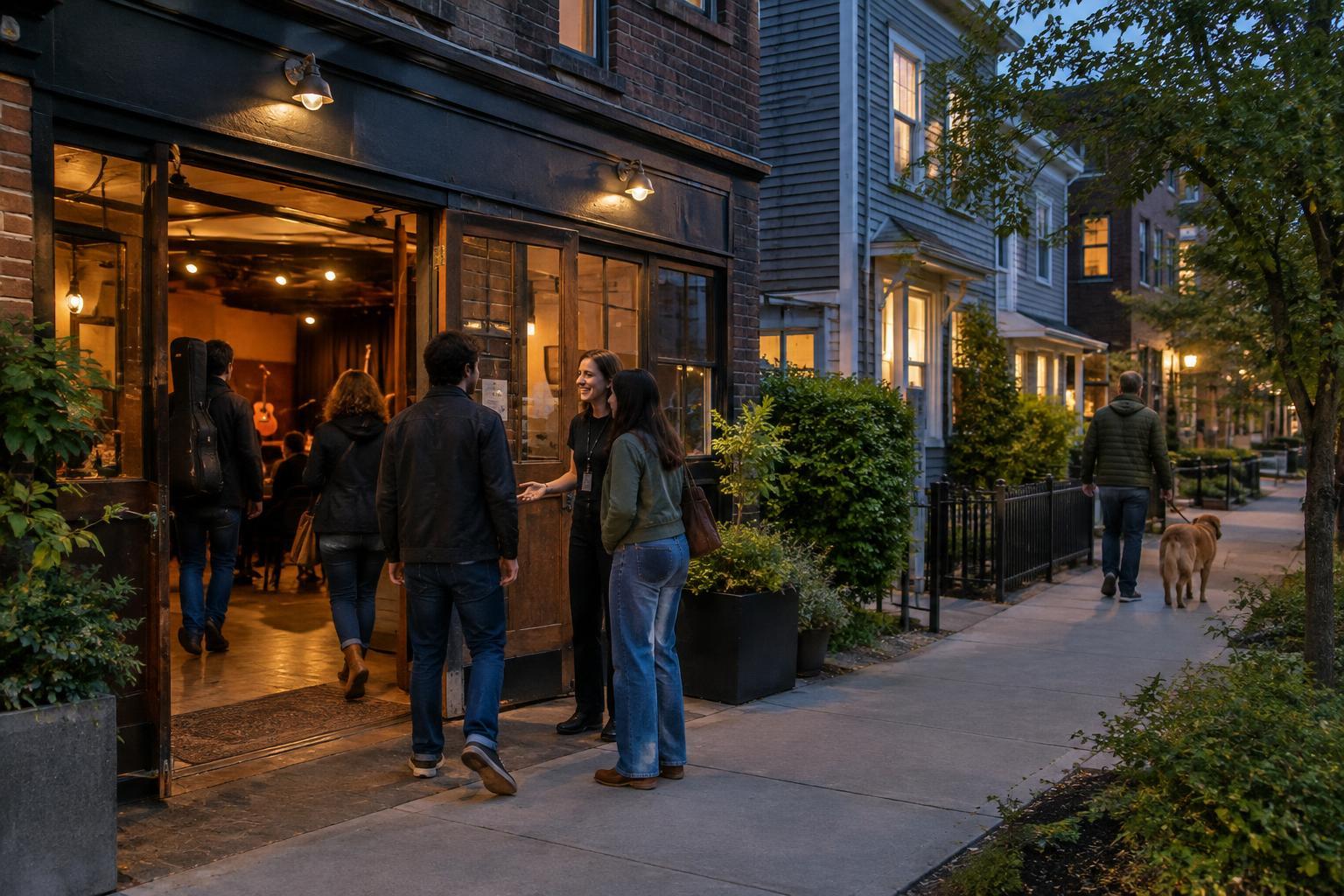
You can also arrive without listening beforehand. Either approach works better when you allow enough time to settle in before the set starts, if your plans permit. You do not need to stand at the front or give every song your full concentration. Simply being present for a few numbers gives the artist a fairer chance than judging them from a name on a bill.
Listen for a point of connection, not a perfect fit
An opener may share an audience with the headliner without sounding much like them. Rather than asking whether the set belongs to a genre you already enjoy, listen for something specific that holds your attention. It might be how the drummer changes the feel of a chorus, the way a singer addresses the room or a quieter passage that makes a later song hit harder.
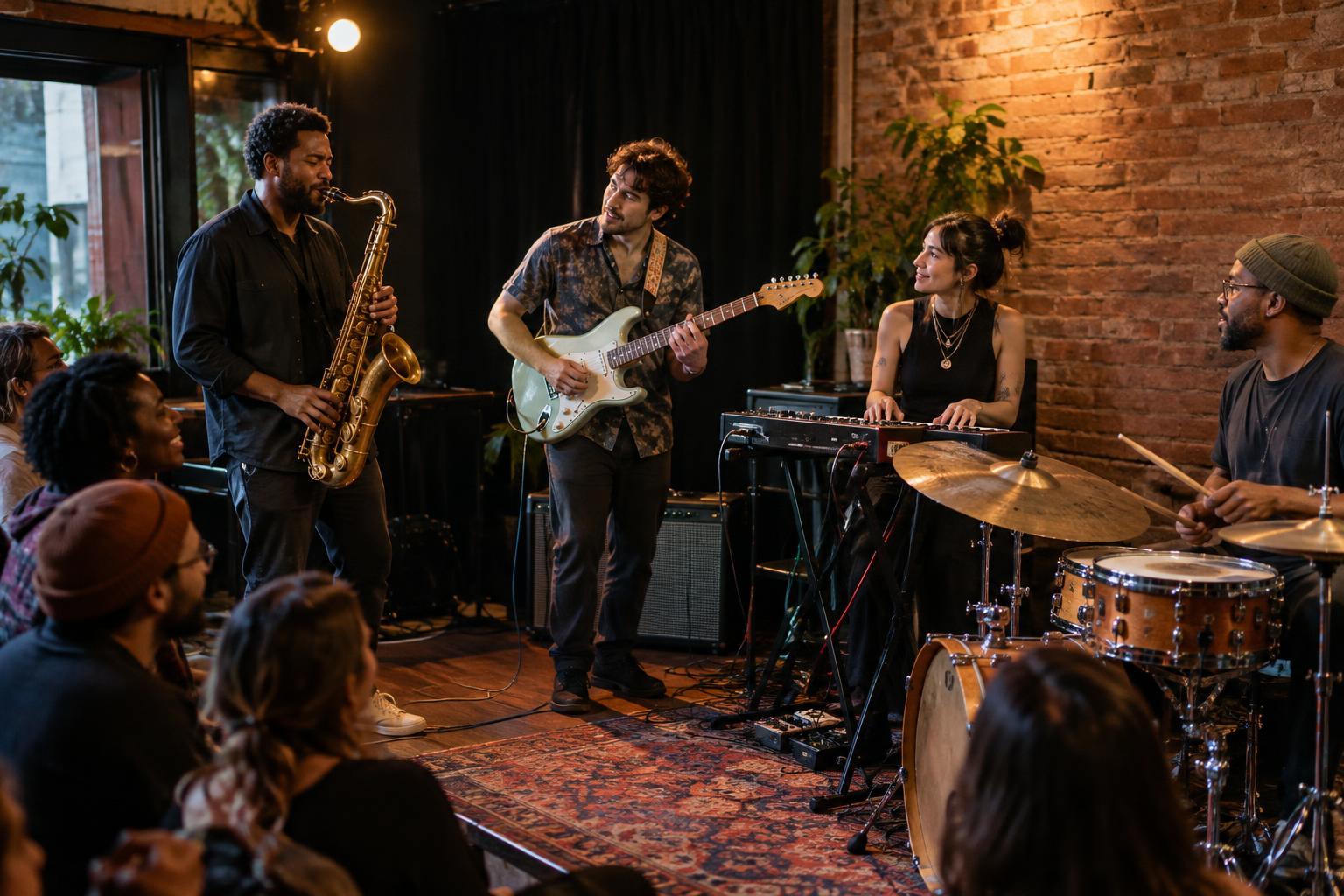
A live set also gives clues that are difficult to capture in a short preview. Watch how the musicians make space for one another and how they handle transitions between songs. If a particular moment stays with you, try to remember what happened rather than forcing yourself to identify the track immediately. “The song with the long instrumental ending” may be enough to guide your search later.
Not every set will win you over, and that is fine. Discovery does not require liking everything you hear. Sometimes an opener clarifies what you want more of; other times, one unexpected song is worth revisiting even if the rest of the performance was not for you.
Make a small note after the set
Once the set ends, capture the artist’s name and one or two details while they are still fresh. A brief note on your phone or a message to yourself is enough: what caught your ear, how the performance felt and whether there was a song you want to find. There is no need to spend the set filming or searching for titles. Paying attention first usually gives you a more useful memory to follow.
If you are unsure of the artist’s name, check the event information or ask a friend who attended with you. Avoid guessing from a fragment of lyrics alone; it can lead you to the wrong recording. When a song title remains a mystery, start with a few available tracks by the artist and see whether the sound you remember reappears.
The day after a show can be a good time to revisit your note. The excitement of the room may have made a song feel different from its recorded version, and that difference is worth noticing. Try a studio track or a longer release before deciding whether the artist belongs in your regular listening rotation.
Let one discovery lead to the next
If an opener clicks with you, follow the detail you liked rather than automatically playing their most popular tracks. A strong rhythm section might lead you to another release where the groove has more room to develop. If you loved the quieter songs, look for a recording that lets you hear the words and arrangement more clearly. This keeps the search tied to your own curiosity.
You can keep a short list of opening acts you want to revisit, including artists who did not make an instant impression but left you wondering. Over time, the list becomes a record of discoveries made through shared bills rather than recommendations chosen for you. It also gives you an easy answer when you want to hear something new without starting from scratch.
The goal is not to turn every concert into homework. Go for the artist you came to see, and stay open to the possibility that someone earlier on the bill might send your listening in a new direction.