Start with the experience you actually want
Before comparing posters, picture your ideal day at a festival. Do you want to move between unfamiliar acts on small stages, settle in for a few favorite performers, or spend as much time with friends as you do watching music? None of these is a better way to attend. Naming your priorities makes it easier to look past an exciting headline act and judge whether the whole event suits you.
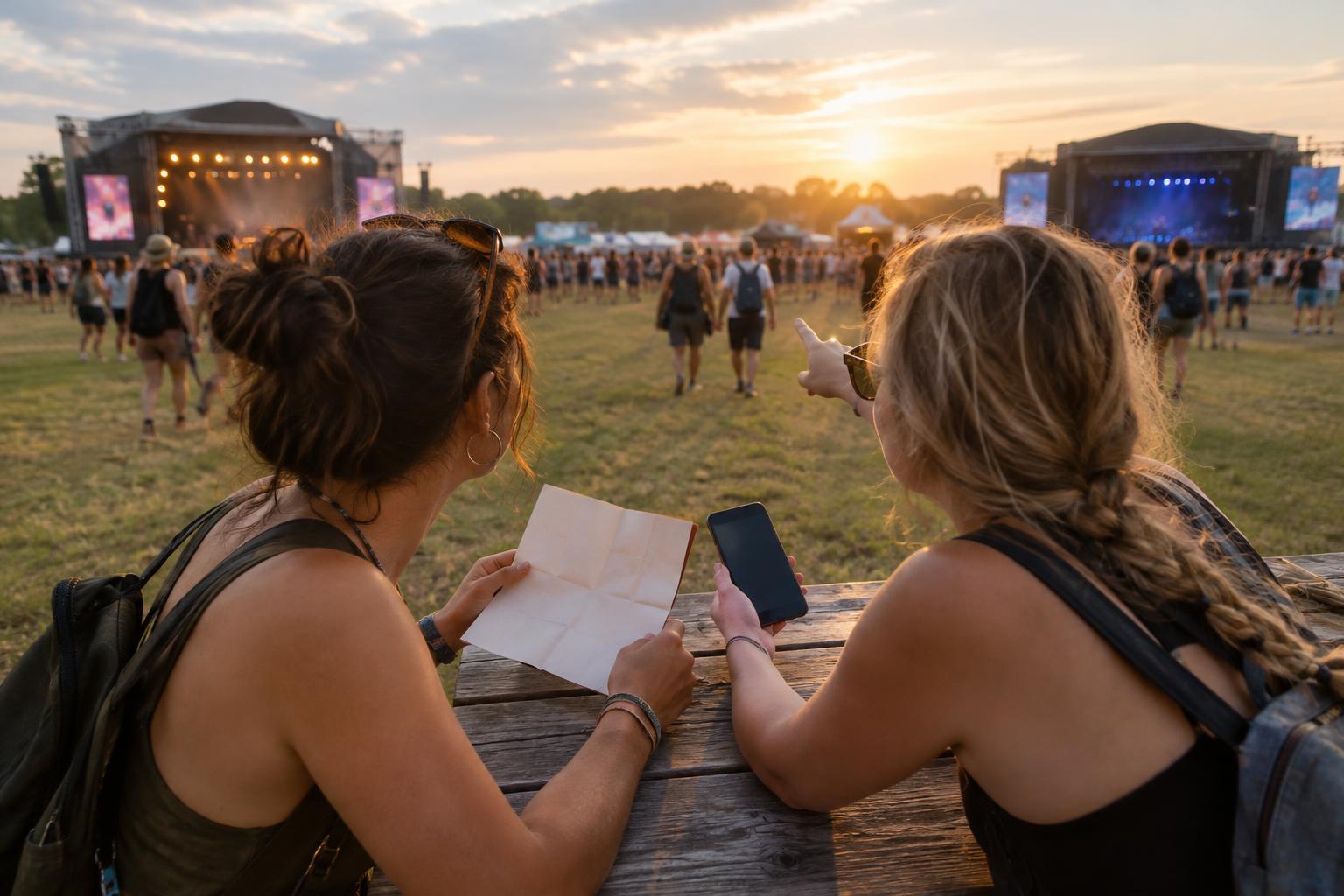
Consider the setting as well as the music. A city-based event may let you take breaks away from the site, while a camping festival makes the festival grounds a bigger part of the experience. Think about how you feel in large crowds, how long you enjoy standing, and whether you prefer a packed schedule or room to wander. The best fit is often the event whose ordinary hours appeal to you, not just its biggest set.
Read the lineup beyond the largest names
Pick out the artists you would make a point of seeing, then look at the rest of the bill. A lineup with several appealing smaller acts gives you more ways to enjoy the day than one built around a single must-see performance. If discovery matters to you, sample a few unfamiliar artists and notice whether the programming offers styles you are curious about. If your taste is specific, check that those sounds appear throughout the lineup rather than in one slot.
Treat a lineup as a guide, not a guarantee of exactly what you will hear. Artists, set times and stage assignments can change, and favorite acts may play at the same time. Ask yourself whether you would still want to go if you missed one top choice. That question can reveal whether you are choosing a festival you like or paying mainly for one performance.
Build a realistic total-cost picture
A ticket price is only the starting point. Add the costs you would reasonably expect for transport, accommodation or camping, food, drinks and any equipment you would need. Check what the ticket includes, whether fees appear during checkout, and whether getting to and from the site requires a separate plan. A lower-priced festival far from home may cost more overall than a nearby event with a higher admission price.
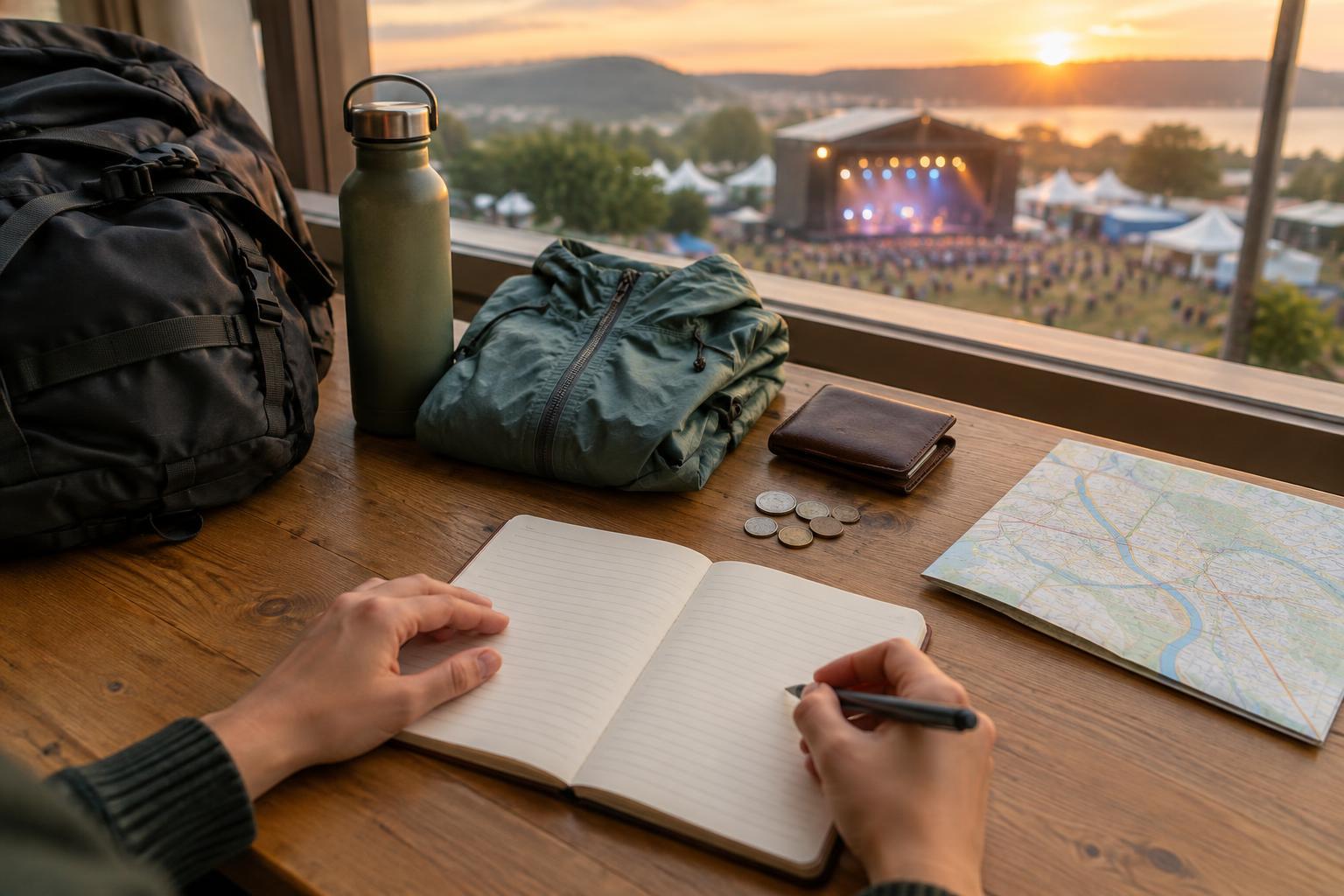
Set a comfortable spending limit before browsing upgrades or add-ons. Then compare options using the same categories, rather than weighing one ticket price against another event’s complete trip cost. Leave room for small surprises without relying on money you need for other commitments. If the total feels uncomfortable, a shorter visit, a local event or waiting for another opportunity may be more enjoyable than attending under pressure.
Check the practical details that shape your day
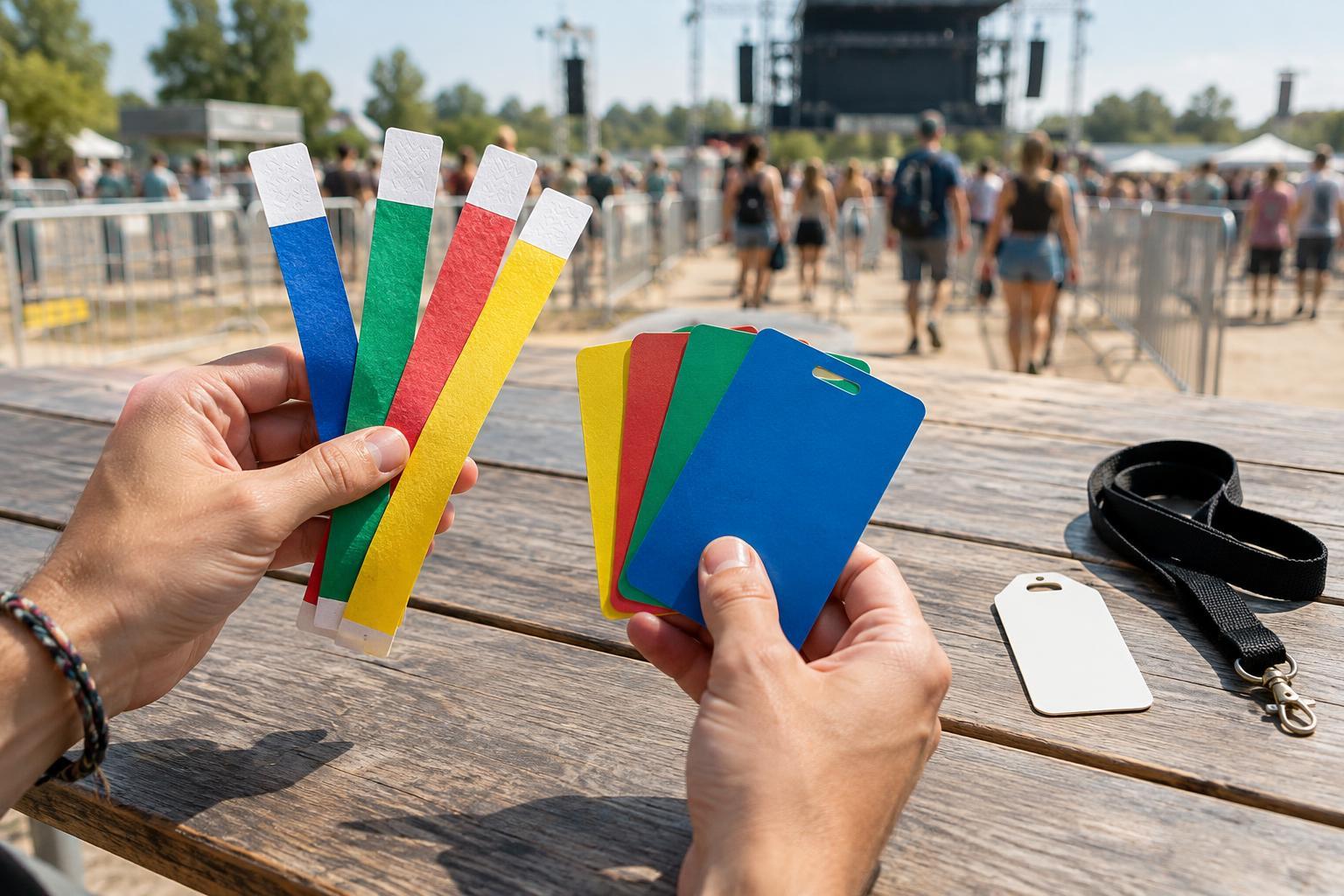
Look for information about site layout, travel routes, entry rules and what you may bring. If you have access needs, check the event’s published accessibility information and contact its organizers with specific questions before committing. The same applies if you need to know about seating areas, food options or a place to step away from noise. Do not assume that a feature available at one festival will be available at another.
Think through the journey home as carefully as the journey there. A late finish can feel very different when you have a long drive, limited transport choices or an early start the next morning. Also read the ticket terms and any published policies on changes or cancellations before buying. These details are less glamorous than a lineup announcement, but they can make a major difference to how relaxed you feel on the day.
Make the final choice with a simple comparison
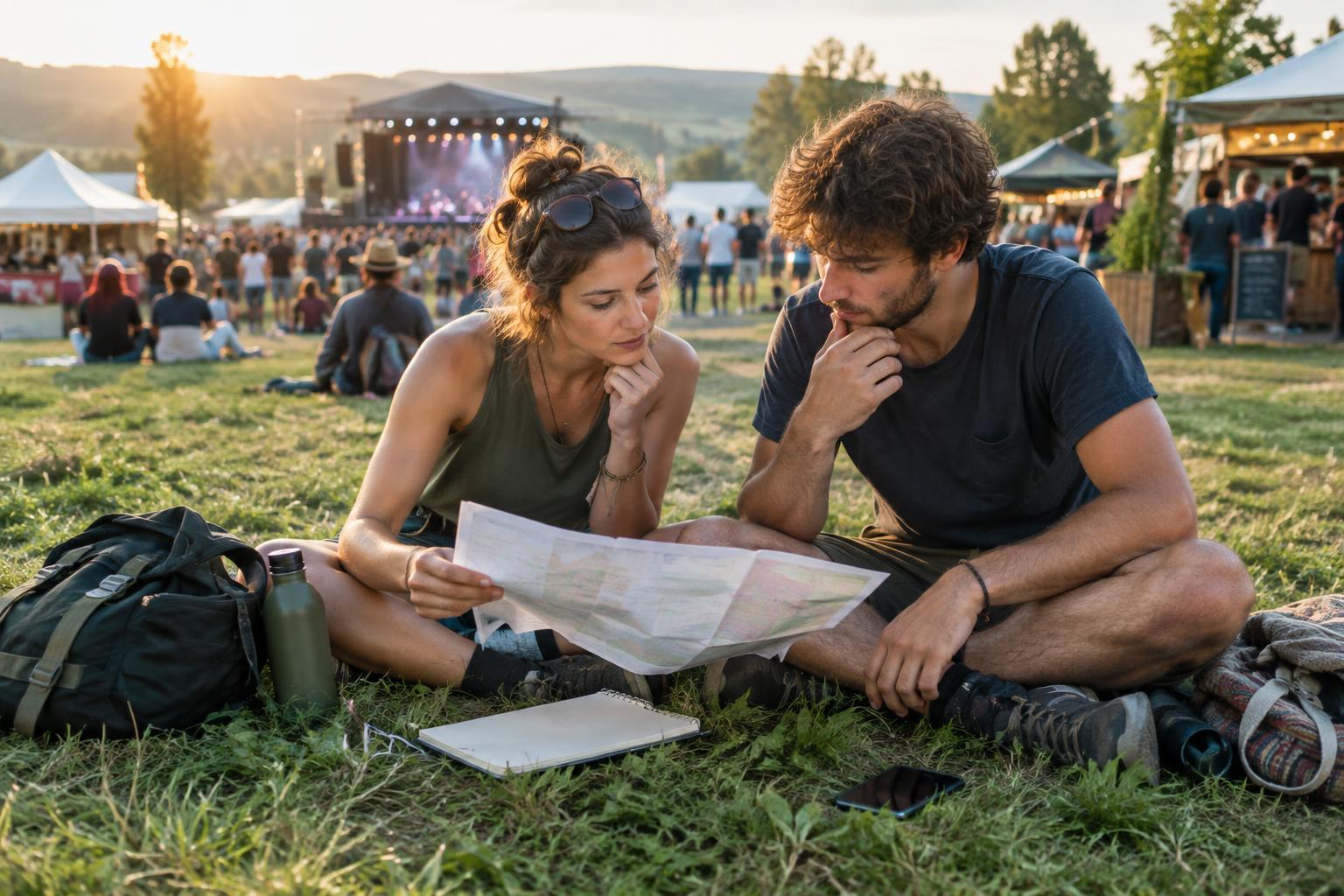
When you have narrowed the field, write down your top priorities and compare each festival against them. You might use headings such as music, atmosphere, total cost, travel effort and comfort. Keep the assessment personal: an event with fewer familiar artists could win if it is easier to reach and offers more room for discovery. Another might be worth the extra planning because its lineup closely matches what you love.
Finally, notice what you are willing to compromise on and what you are not. You can plan around a long walk between stages, but you cannot make yourself enjoy a setting that feels wrong for you. Choosing a festival is not about finding the objectively best poster. It is about finding a live-music experience you can look forward to, afford comfortably and enjoy from the first set to the trip home.