A show extends beyond the room
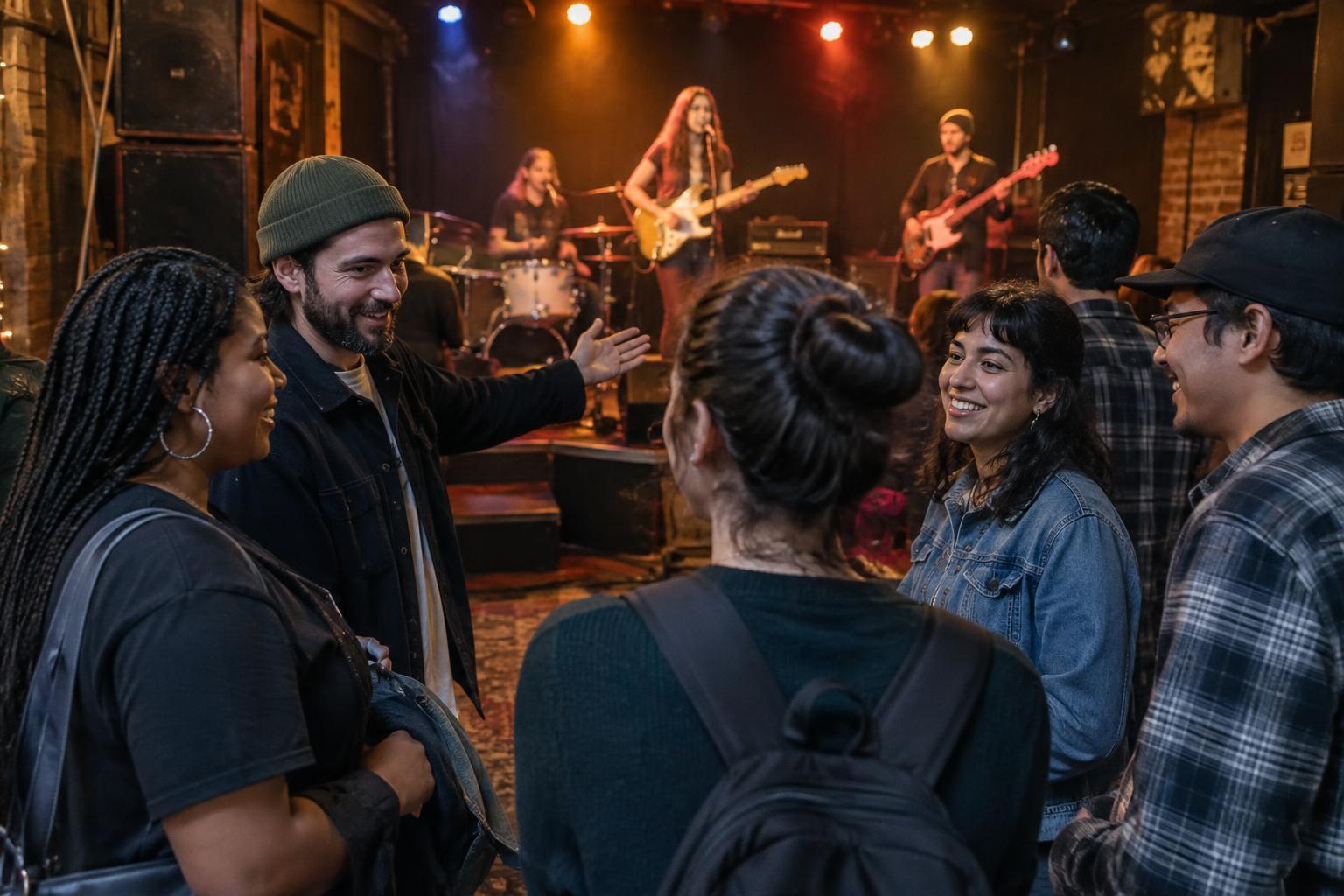
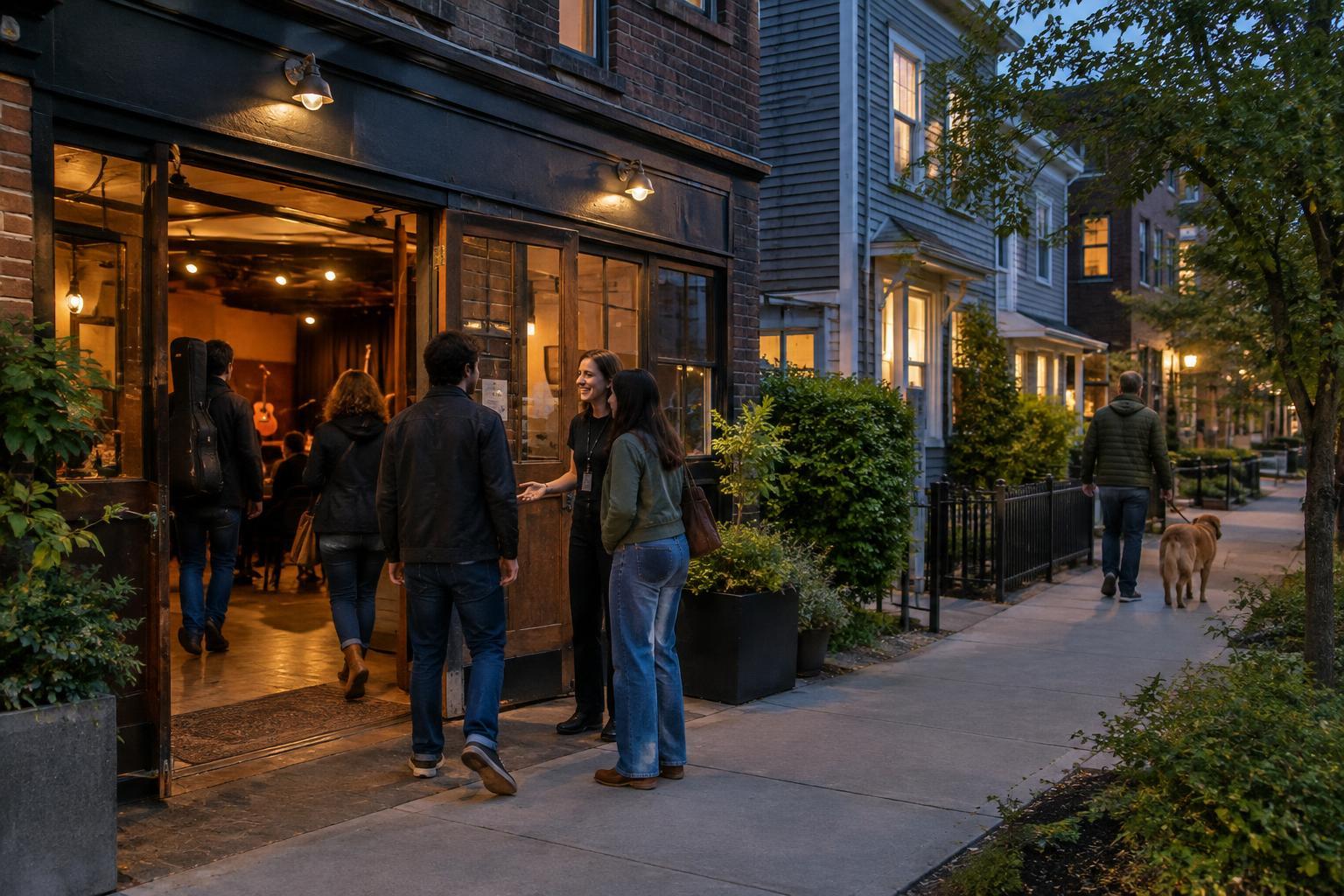
A performance may last only a few hours, but its footprint can stretch across a neighborhood. People arrive early, gather outside, step out between sets, and leave together at the end of the night. Deliveries, loading, sound checks, and cleanup add activity that ticket holders may never notice. For nearby residents and businesses, those moments can matter as much as the music itself.
That does not make a local music space a bad neighbor. It means a venue shares its surroundings with people who have different routines. Someone heading to an early shift may experience a late-night crowd differently from a fan enjoying the encore. Recognizing both perspectives gives a music space a better starting point than assuming every concern is opposition to live performance.
Plan for the edges of the event
The loudest part of a night is not always the part most likely to cause friction. A group talking beneath an apartment window, a vehicle idling during load-out, or a blocked doorway can be disruptive even when the show itself is well run. Staff can look at the full path of an event, from artist arrival to the last person leaving, and identify where small changes would help.
Practical choices might include giving performers clear loading instructions, keeping entrances unobstructed, and directing queues away from residential doors where possible. A closing routine can address litter, outdoor conversations, and equipment movement rather than ending when the stage goes dark. The right approach depends on the building and street; the useful habit is to make these details part of show planning.
Make communication easy before problems grow
Neighbors should not have to guess whom to contact when an issue comes up. A music space can offer a straightforward way to share concerns and explain when someone is likely to respond. Listening without immediately disputing a complaint helps staff learn whether the problem is recurring, tied to a particular event, or caused by something they can change quickly.
Communication also works best when it is not limited to difficult moments. Letting nearby people know about an unusually busy evening, when practical, can reduce surprises. Follow-up matters too: if a venue says it will adjust how crowds exit, it should check whether that change helped. Not every concern will have a perfect solution, but a reliable response can make disagreement easier to navigate.
Give audiences and artists a role
Concertgoers influence the experience outside a venue, often without realizing it. Brief, friendly guidance at the door or on an event page can ask people to leave space for pedestrians, avoid gathering outside homes, and take rubbish with them. A reminder at the end of the night may be more useful than a sign people passed hours earlier. The tone can be welcoming while still being clear.
Artists and their teams have a part to play as well. Sharing load-in details ahead of time can prevent confusion on arrival, while an agreed plan for packing up can keep a busy pavement usable. These steps need not diminish the spontaneity of a performance. They simply move avoidable disruption out of the way so attention can stay on the music.
Treat neighbor relationships as ongoing work
There is no single schedule, layout, or message that suits every music space. An intimate room on a quiet street faces different pressures from a hall surrounded by late-night businesses. Reviewing what happens after shows, asking staff what they observe outside, and revisiting routines as the program changes can reveal problems that were easy to miss during a busy night.
A healthy local scene needs places where people can hear new sounds and meet one another. It also needs respect for the people who share those streets without attending the show. When a music space treats its neighbors as part of its everyday context, rather than as an obstacle, it has more ways to protect both the energy inside the room and the trust outside it.