Preparation starts before anyone takes the stage
A live performance brings together instruments, microphones, cables, power, monitors and a sound system, often in a room the performers do not know well. No crew can guarantee that every piece will work throughout a show. Preparation is about making likely problems easier to identify and giving the team a way to continue while they are fixed.
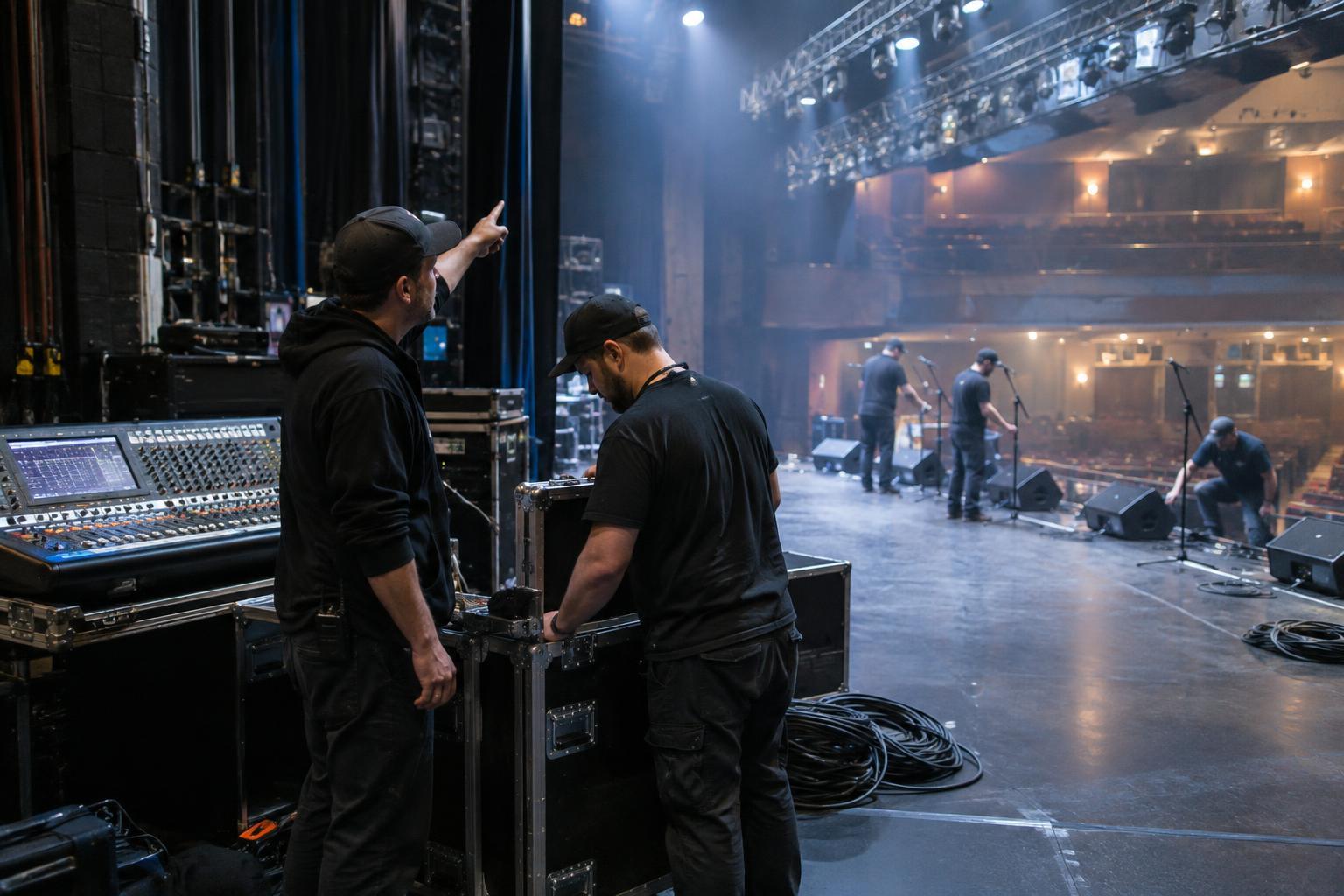
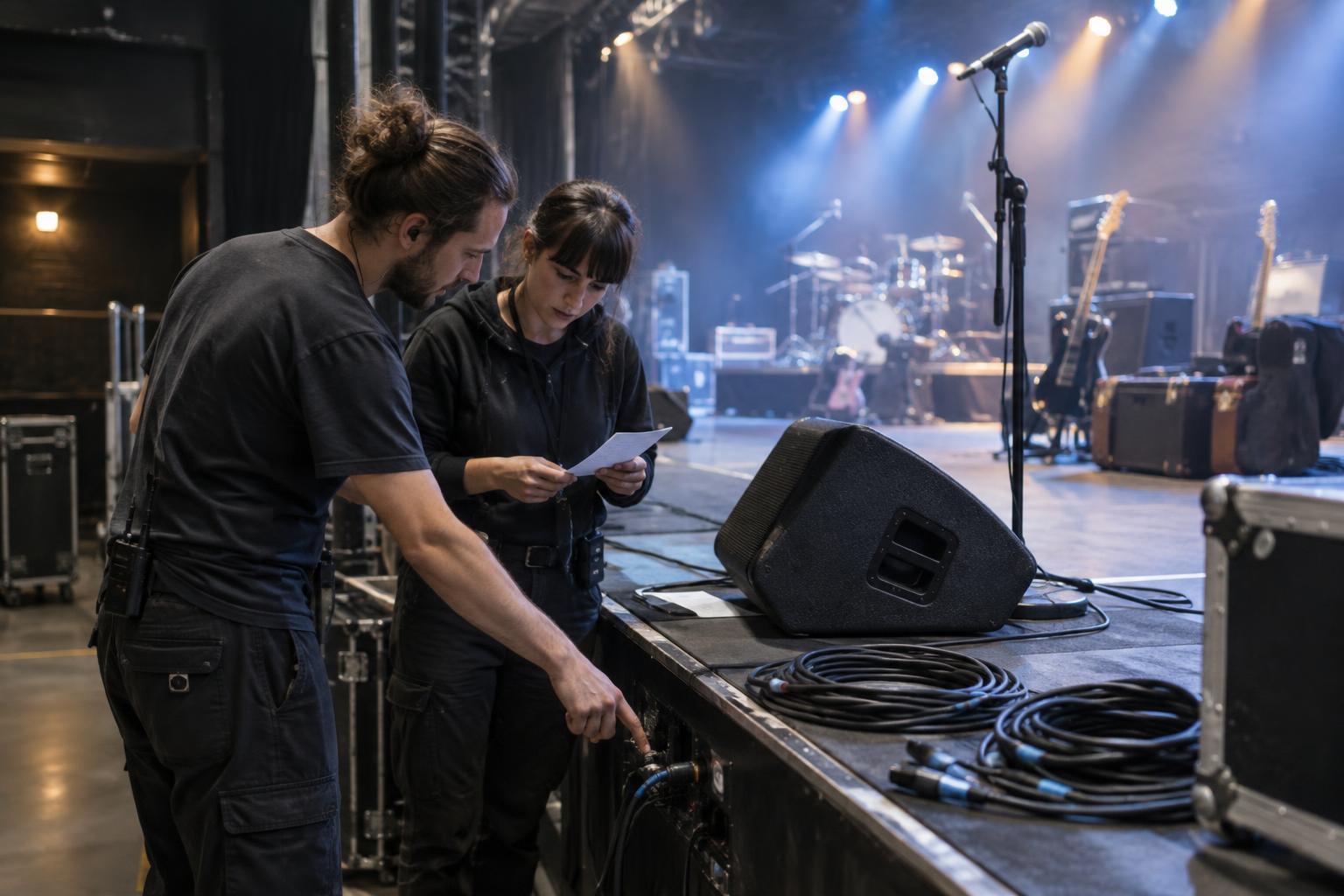
During setup and soundcheck, the crew can test each sound source from instrument to speaker. A microphone that cuts out, a noisy cable or a monitor mix that a singer cannot hear is far easier to address before doors open. This is also the time to confirm which equipment belongs to the venue, which belongs to the artist and who is responsible for operating it. Those details matter when someone needs a replacement quickly.
Backups are chosen for speed, not perfection
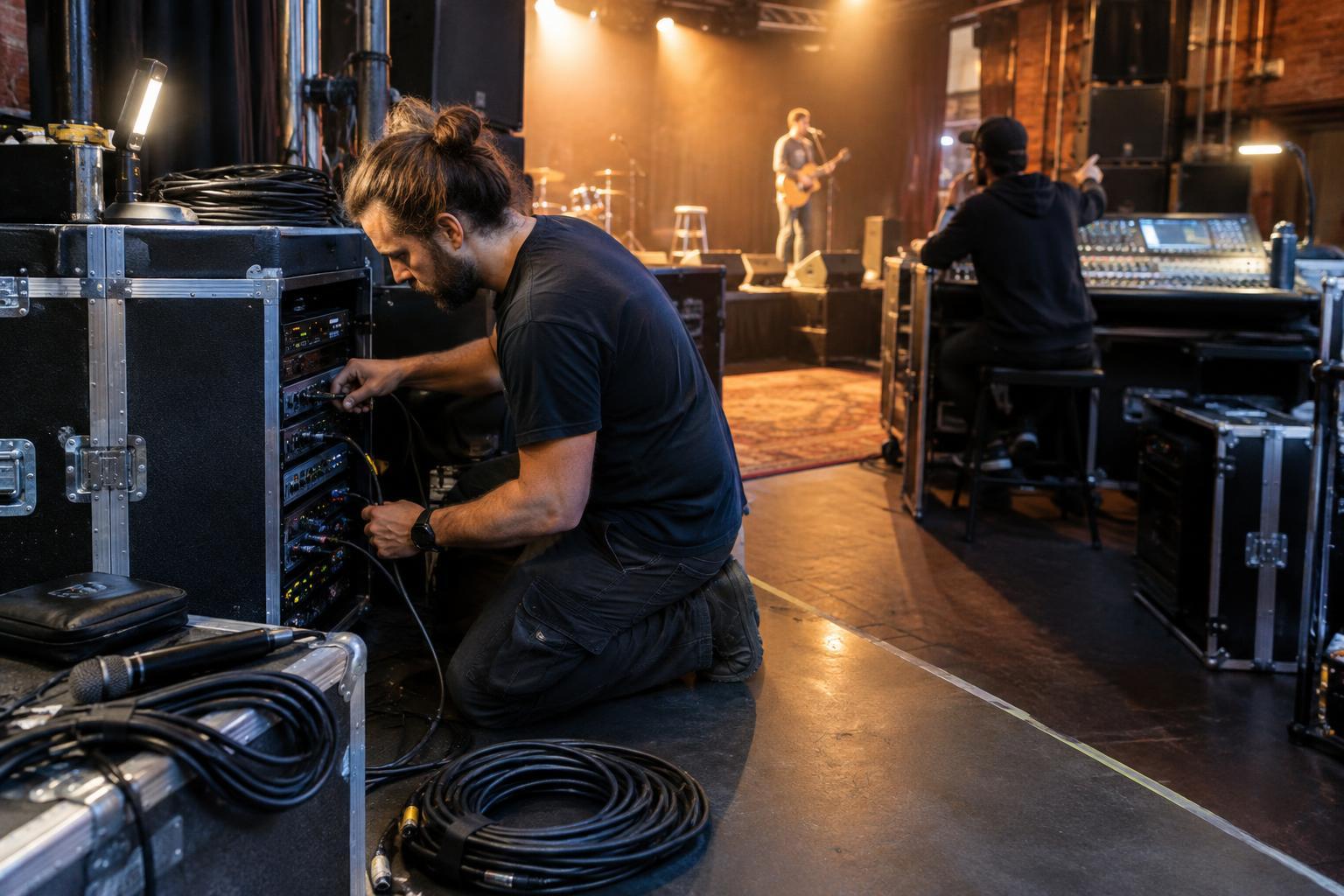
Useful spares are often ordinary items: cables, batteries, microphone clips, instrument leads and other small parts that are easy to swap. A spare microphone or a ready-to-use instrument can help, too, when the show and available space allow for one. The goal is not to duplicate every piece of equipment. It is to keep a common single failure from requiring a long search through cases or a complete rebuild.
Backups work best when people know where they are and how they fit into the setup. A replacement cable tucked into an unmarked box is less helpful than one kept within reach of the person who may need it. Crews may also leave some flexibility in their plan: a performer can use another microphone, for example, or an instrument can be routed through a simpler signal path if part of its usual setup fails.
Clear labels make troubleshooting faster
When sound disappears, the cause is not always obvious from the audience’s perspective. The problem could be at the instrument, along a cable, at an input or elsewhere in the system. Labels on channels, cables and equipment help the crew check the right path rather than guessing. A current list of what connects where is especially valuable when several acts share a stage or setups change between performances.
Troubleshooting usually works best when it is methodical. A technician can start with the affected source, check simple connections and then narrow down where the signal stops. Changing many things at once can make the fault harder to find. If a quick swap restores sound, the failed item can be examined later, away from the pressure of a running set.
A response plan includes people, not just gear
Equipment failures can create confusion if everyone reacts at once. Before the show, it helps to establish who communicates with performers, who works onstage and who stays at the sound position. A performer who knows where to look for a cue can keep the audience informed or move to another song without having to diagnose the problem themselves.
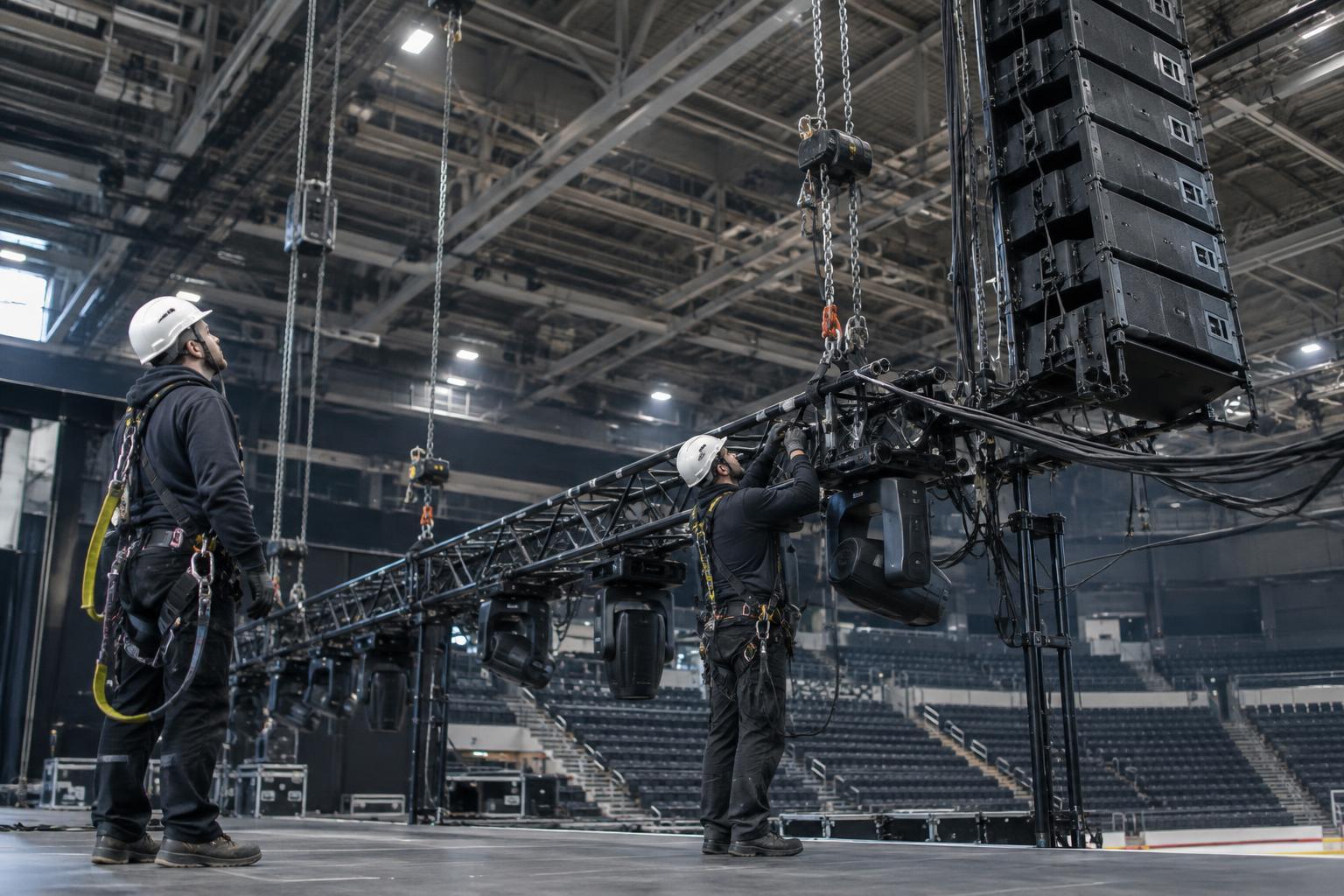
The response should match the problem. A failed instrument lead might be swapped during a brief pause. A monitor issue may require a performer and technician to agree on a workable temporary mix. If an electrical fault or unstable equipment presents a safety concern, continuing the song is less important than stopping and making the area safe. A good plan gives the crew permission to make that distinction.
The show can adapt while the crew works
Not every failure needs to become an announcement. A band may extend a musical passage while a technician replaces a cable, or a solo performer may adjust the set order to use an instrument that is ready. These choices depend on the act; an improvised pause that feels natural for one performance may be distracting in another. Discussing a few options beforehand helps performers make a calm decision onstage.
After the set, the team can note what failed, what solved it and whether anything needs repair or a clearer label before the next performance. The point is not to hide every mishap. It is to build a setup that is understandable under pressure, with people prepared to respond together. When that work succeeds, the audience may notice only a brief pause before the music carries on.