A cue is more than a button press
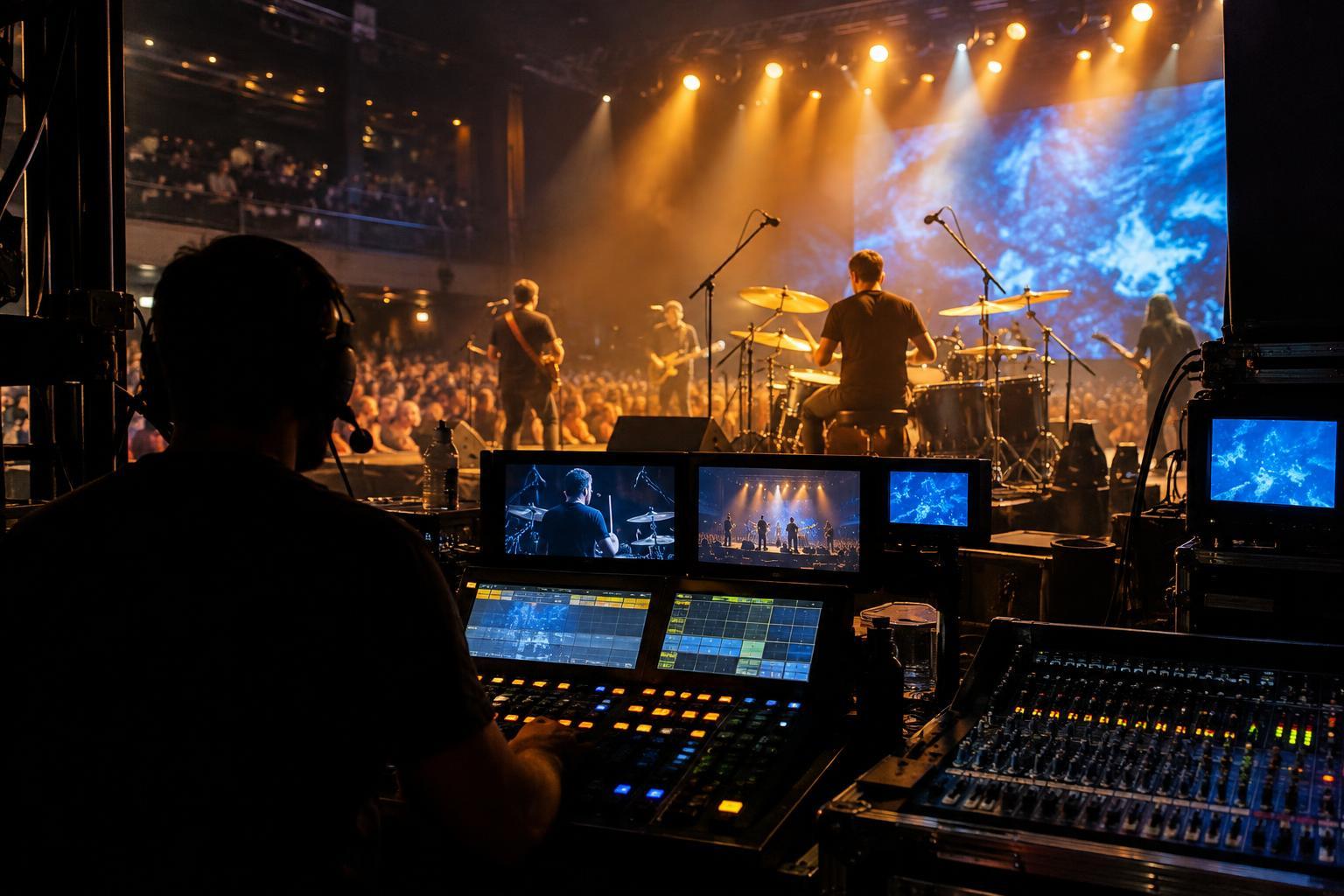
When a stage goes dark just before a song begins, several departments may be making different changes at once. The lighting team fades fixtures, the video team changes what appears on screens, and the audio team prepares the right microphones, effects or playback. Each change is a cue: an action tied to a particular moment in the show. The audience sees one transition, but the crew sees a set of coordinated tasks.
The starting point is a shared understanding of what should happen and when. A cue sheet might describe a moment in plain language, such as “lights out after the final note,” alongside the actions assigned to each team. That wording matters. “At the end of the song” may be too vague if the performer sometimes holds the last note or speaks before moving on. A useful cue has a recognizable trigger, whether it is a spoken line, a musical phrase, a count or a signal from the stage manager.
Some moments follow a clock; others follow the performers
For tightly arranged sections, a show may use timecode: a shared timing reference that lets compatible systems follow the same timeline. Lighting looks, video clips and playback elements can then be programmed to line up at specific points. This can make detailed sequences repeatable, especially when a song includes precisely timed visual changes. It does not mean every part of the performance is automated; it means the programmed elements have a common clock.
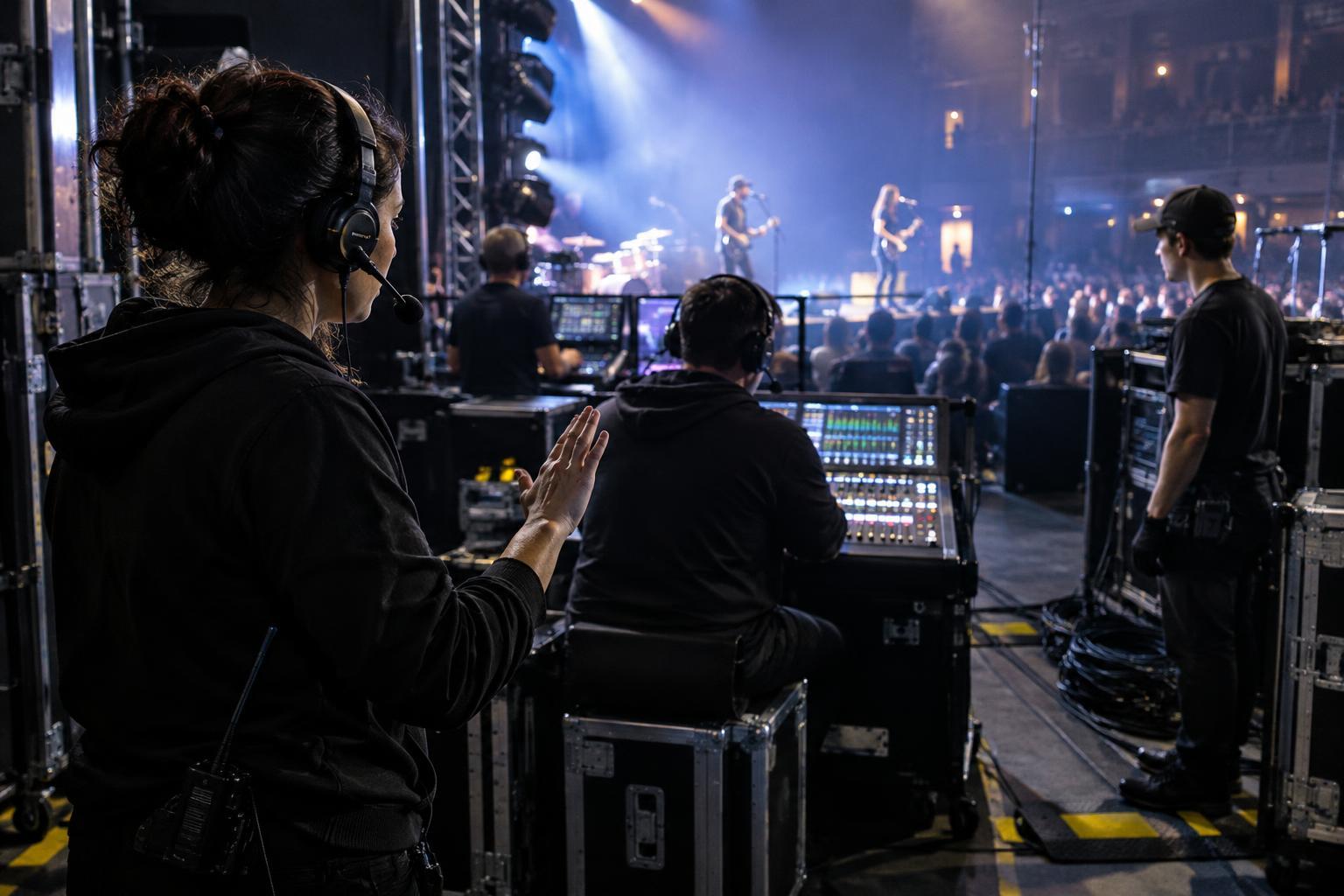
Other moments work better as human-called cues. A performer might stretch an introduction, pause to address the crowd or wait for applause. In those cases, a show caller or operator can watch and listen, then tell the relevant teams when to go. Many productions use both approaches: a timed sequence for a section that needs close alignment, and manual cues for transitions that depend on what happens in the room. The choice is less about technology versus people than about which method best fits the moment.
Rehearsal turns a plan into a shared rhythm
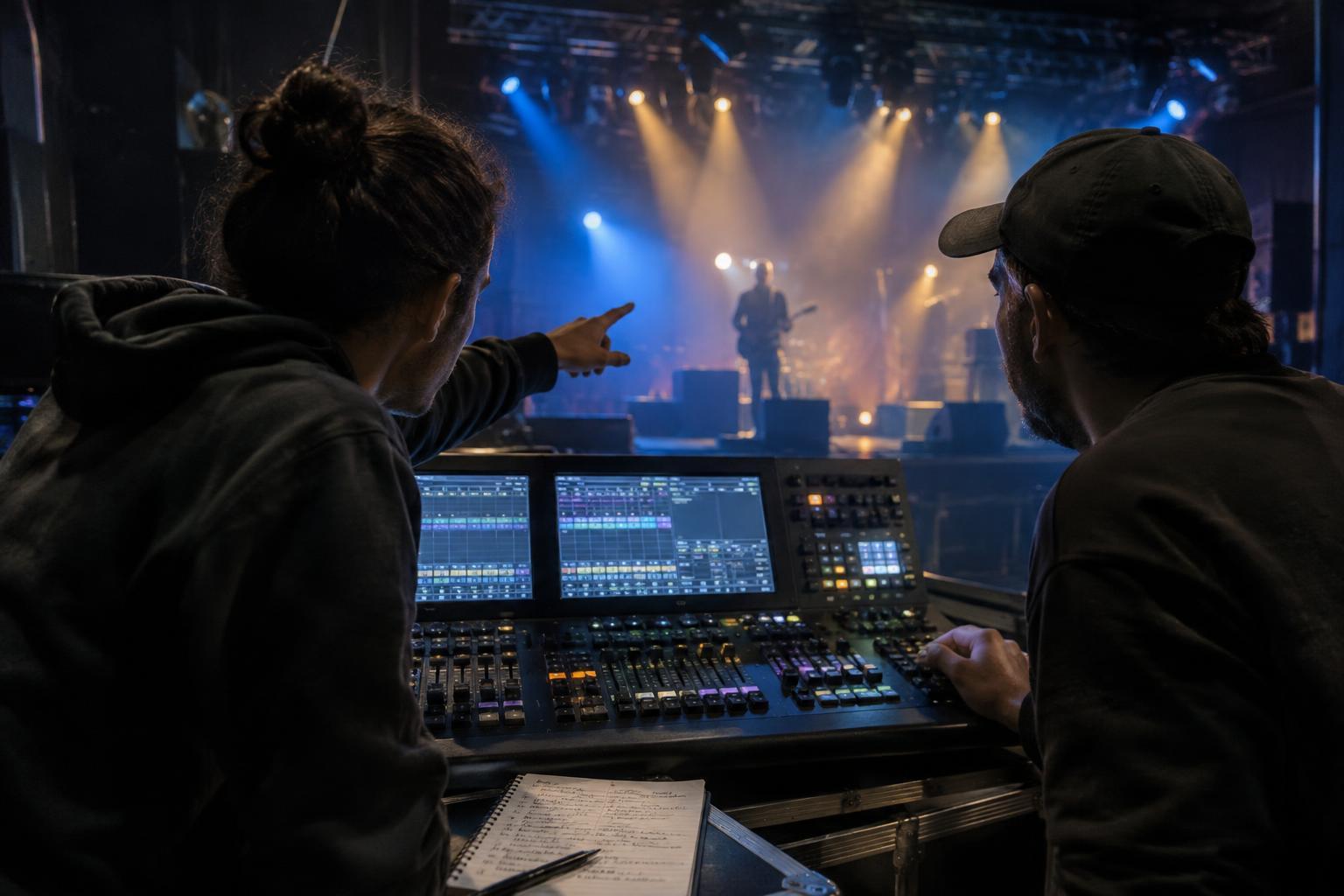
A cue list can look convincing on paper and still feel awkward onstage. Rehearsal gives the teams a chance to test it with the actual music, movement and equipment. Operators can check whether a video cut arrives too early, whether a lighting fade hides a performer who needs to move, or whether an audio change is audible in a way nobody intended. Small adjustments to timing can make the combined effect feel more natural.
Rehearsal also exposes unclear instructions. If one person interprets “on the chorus” as the first vocal line and another hears it as the downbeat before that line, the cue may split apart. Teams can replace that shorthand with a more precise landmark. They may also practice the spoken calls and acknowledgments used over crew communication systems. A clear “stand by” gives operators time to prepare; a clear “go” identifies the moment to act.
Synchronization includes what happens when plans change
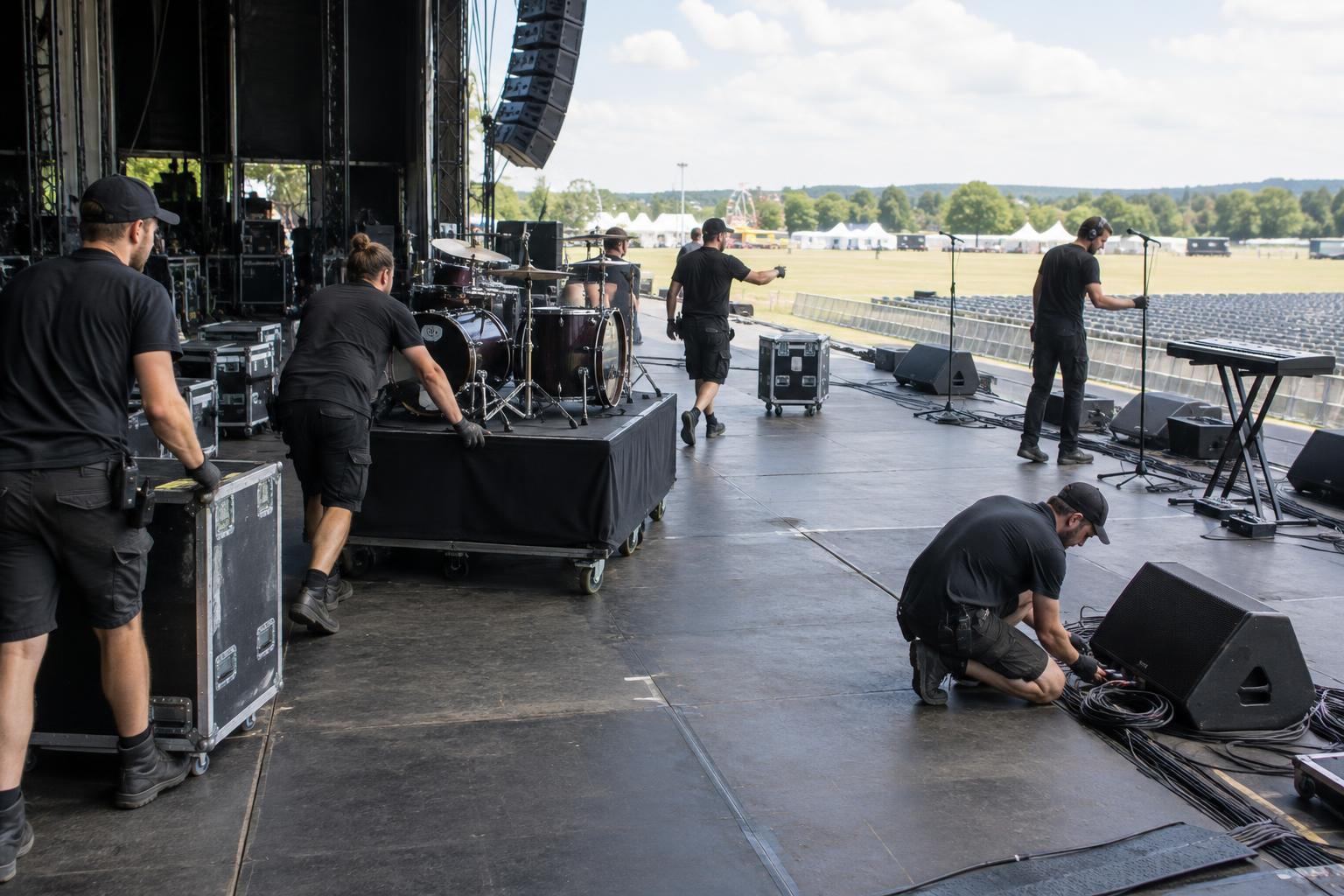
Live performances rarely behave exactly like a recording. A song may start late, a performer may skip a section, or a piece of equipment may need attention. Good cue planning leaves room to recover. Operators may keep certain transitions under manual control, build cues that can be skipped, or agree on a simpler look and screen image to use while everyone finds their place. These options are especially valuable when the show moves between fixed sequences and flexible performance.
The departments also need a common way to communicate a change. If an expected song does not begin, the video operator should not have to guess whether to launch its opening clip. A brief call can tell the crew to hold, advance or return to a known point. Not every show uses the same terminology or setup, but the principle is consistent: a fallback works best when the people using it have discussed and practiced it before they need it.
The goal is a coherent experience, not perfect machinery
Keeping cues in sync is partly technical, but it is also editorial. Teams decide which moments deserve tight coordination and which should breathe. A sudden blackout, screen cut and sound effect can create a sharp punctuation mark. A slower lighting shift may support a quiet passage without drawing attention to itself. More simultaneous changes do not automatically make a stronger show; the choices need to serve the performance.
For concertgoers, the best coordination may be the kind they barely notice. The singer remains visible when they need to be, the screen reinforces rather than distracts, and transitions support the pace of the set. Behind that apparent ease are precise landmarks, rehearsed communication and operators paying attention to the people onstage. Technology can help everyone act together, but listening and judgment keep the show feeling live.