A promoter’s role starts before the announcement
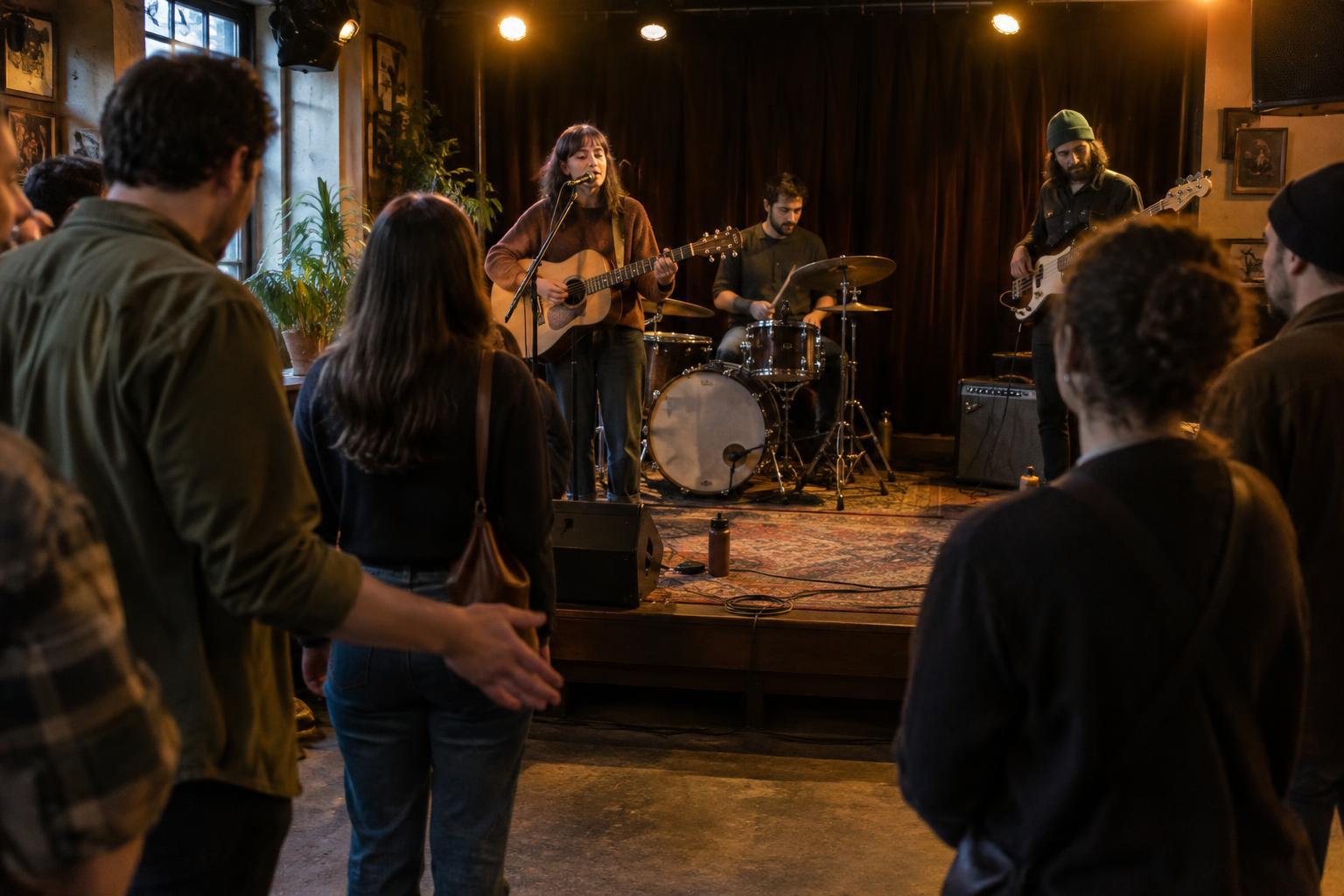
A local show can look simple from the audience: a few artists, a room and a start time. Getting those pieces to work together takes conversation. An independent promoter may suggest a lineup, find a suitable venue, agree on a schedule and help people hear about the event. Some promoters handle nearly every detail; others share the work with artists or venue staff. In either case, their central task is connecting people who have good reasons to gather but might not find one another on their own.
That connection depends on knowing a scene rather than merely filling a calendar. A promoter who listens to local artists and attends different kinds of shows can notice where audiences overlap and where a new pairing might be interesting. They can also learn which rooms suit a quiet performance, a dance-focused night or a first show for an emerging act. The strongest match is not always the largest available space. It is the one where the music, setting and audience make sense together.
Building a lineup people want to stay for
Thoughtful booking gives each artist a reason to be on the bill. Shared sounds can create a cohesive evening, but contrast can work too when there is a clear thread between performances. A promoter might pair a familiar local act with a newer one, giving listeners an entry point while leaving room for discovery. That opportunity matters most when the running order, set lengths and promotional attention treat every performer with respect.
Booking also involves expectations that should be discussed early. Artists need to know when to arrive, what equipment is available, how long they can play and how payment will work. Venues need a realistic sense of the show’s format and technical needs. Clear agreements cannot remove every surprise, but they reduce avoidable confusion. When plans change, direct communication helps everyone adjust without leaving one party to absorb the problem silently.
Making a venue feel like the right place
A venue contributes more than a stage. Its layout, sound system, staff and usual crowd all shape how a performance feels. Independent promoters often act as translators between the needs of artists and the practical limits of a room. They can ask about load-in access, soundcheck time, volume expectations and who will be available to solve a technical problem. Those details may be invisible to listeners, but they affect whether performers can focus on playing.
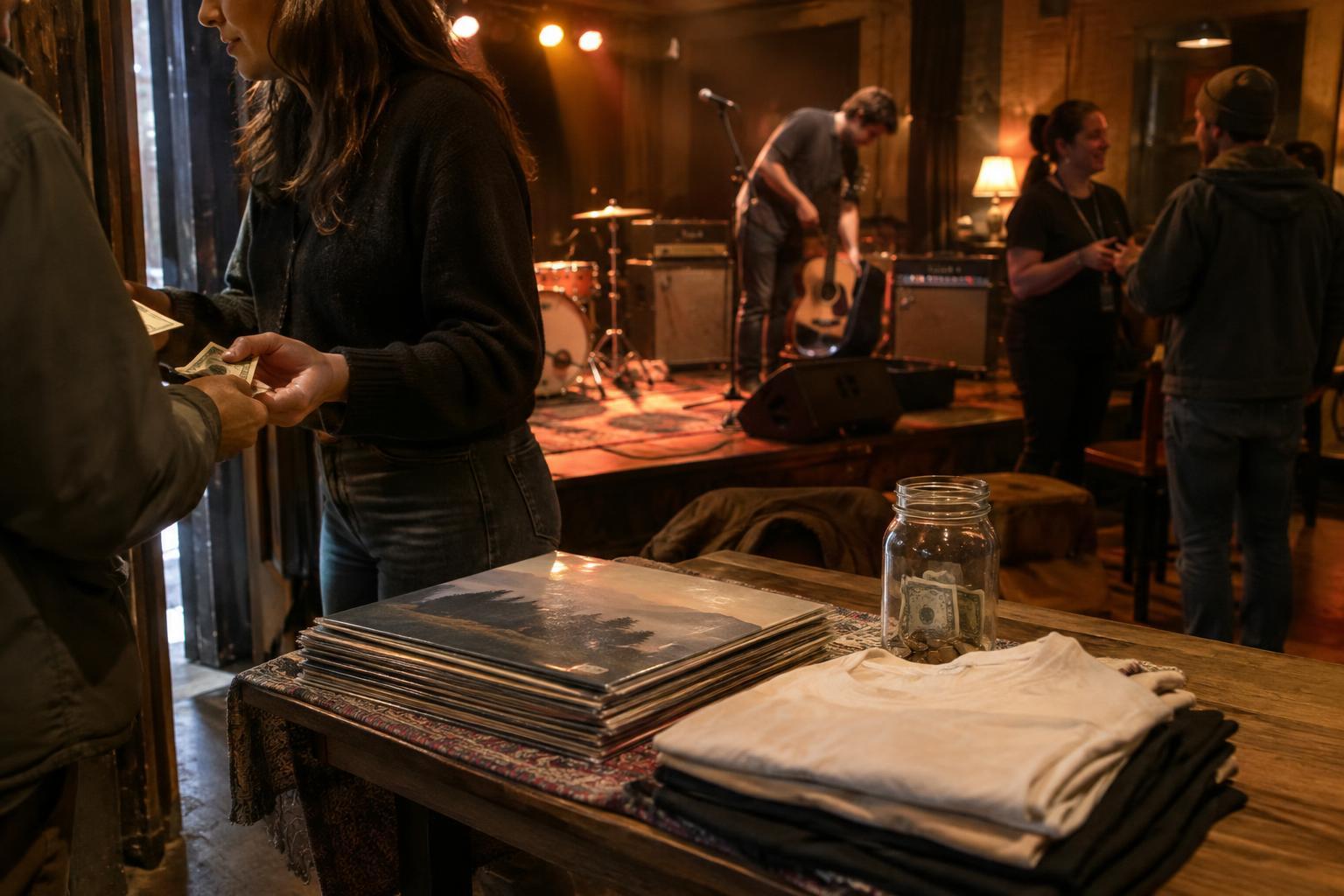
The audience experience deserves the same attention. Useful event information includes where the show takes place, when performances begin, what entry costs and any relevant access details the venue can confirm. A welcoming night also depends on how people are treated at the door and in the room. Promoters cannot control every interaction, but they can work with venues to set clear expectations and make it easier for attendees to ask for help.
Reaching listeners without losing the local connection
Promotion works best when it tells people what the show offers, not just that it exists. A brief description of the artists, the feel of the night and the reason for the pairing gives potential attendees something to respond to. Posters, newsletters, artist channels and word of mouth can each reach different listeners. Repeating accurate, consistent details across those channels is more useful than making exaggerated promises about a night nobody has experienced yet.
Trust builds across shows. When audiences find that a promoter’s events start close to the advertised time, present worthwhile music and communicate changes plainly, they may be more willing to try an unfamiliar artist. Artists benefit when that trust brings attentive listeners into the room. Venues benefit when an event attracts people who understand what kind of night they are attending. A promoter becomes valuable not by owning those relationships, but by helping them continue beyond a single bill.
What a healthier scene looks like
A busy calendar does not necessarily mean a healthy music scene. It also matters whether artists can understand the terms of a show, whether venues can host it responsibly and whether audiences feel invited to return. Independent promoters help when they are honest about budgets, share practical information in good time and listen to feedback after the room empties. They may not be able to meet every request, but explaining a decision is better than leaving people guessing.
Listeners have a part in this network, too. Arriving in time for an opening set, giving a new artist a chance and sharing a show with someone who might enjoy it are small ways to support the connections a promoter has made. The result is not one person’s scene. It is an ongoing exchange among performers, spaces and audiences, with the promoter helping each side find the others.