A scene starts with people, not a room
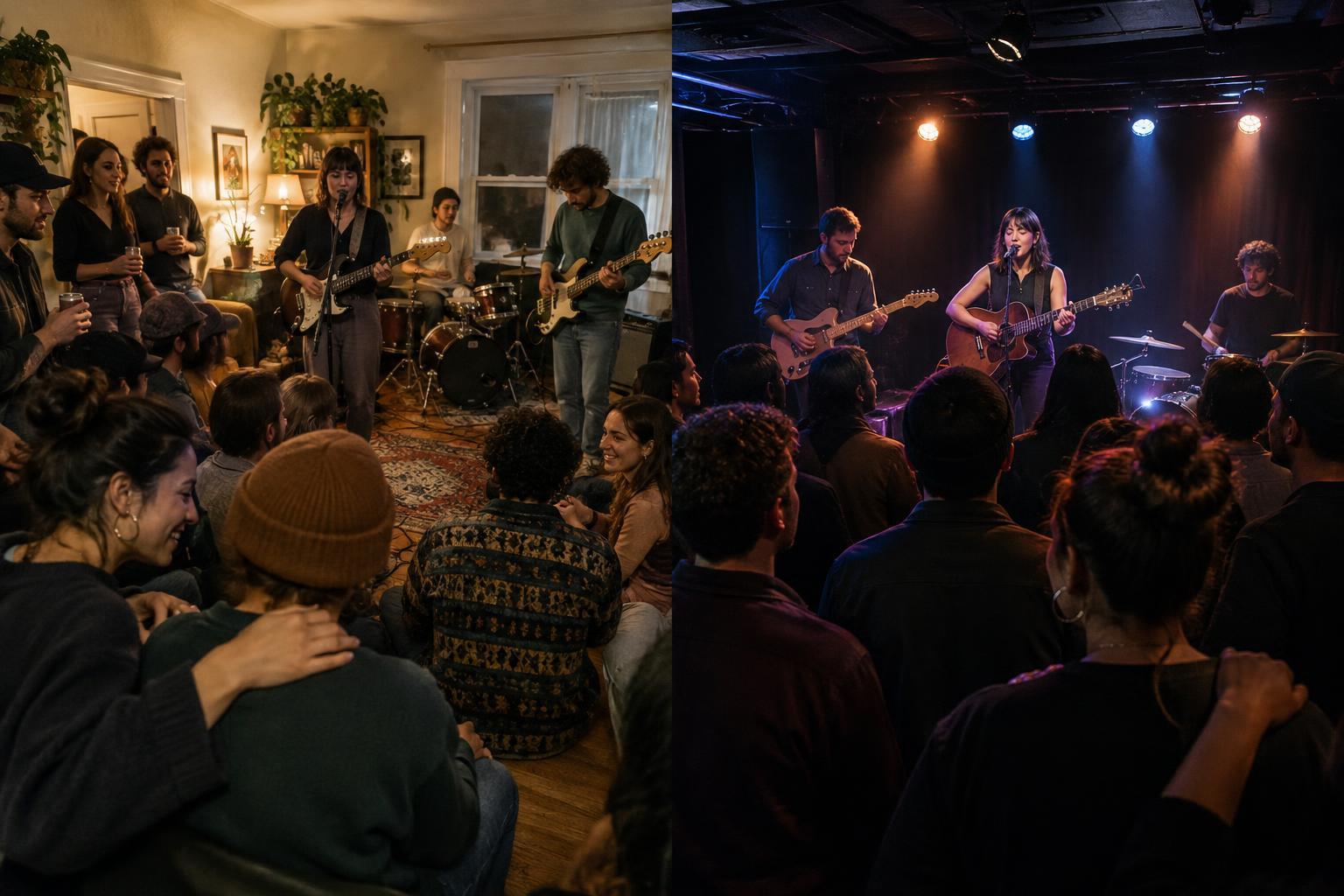
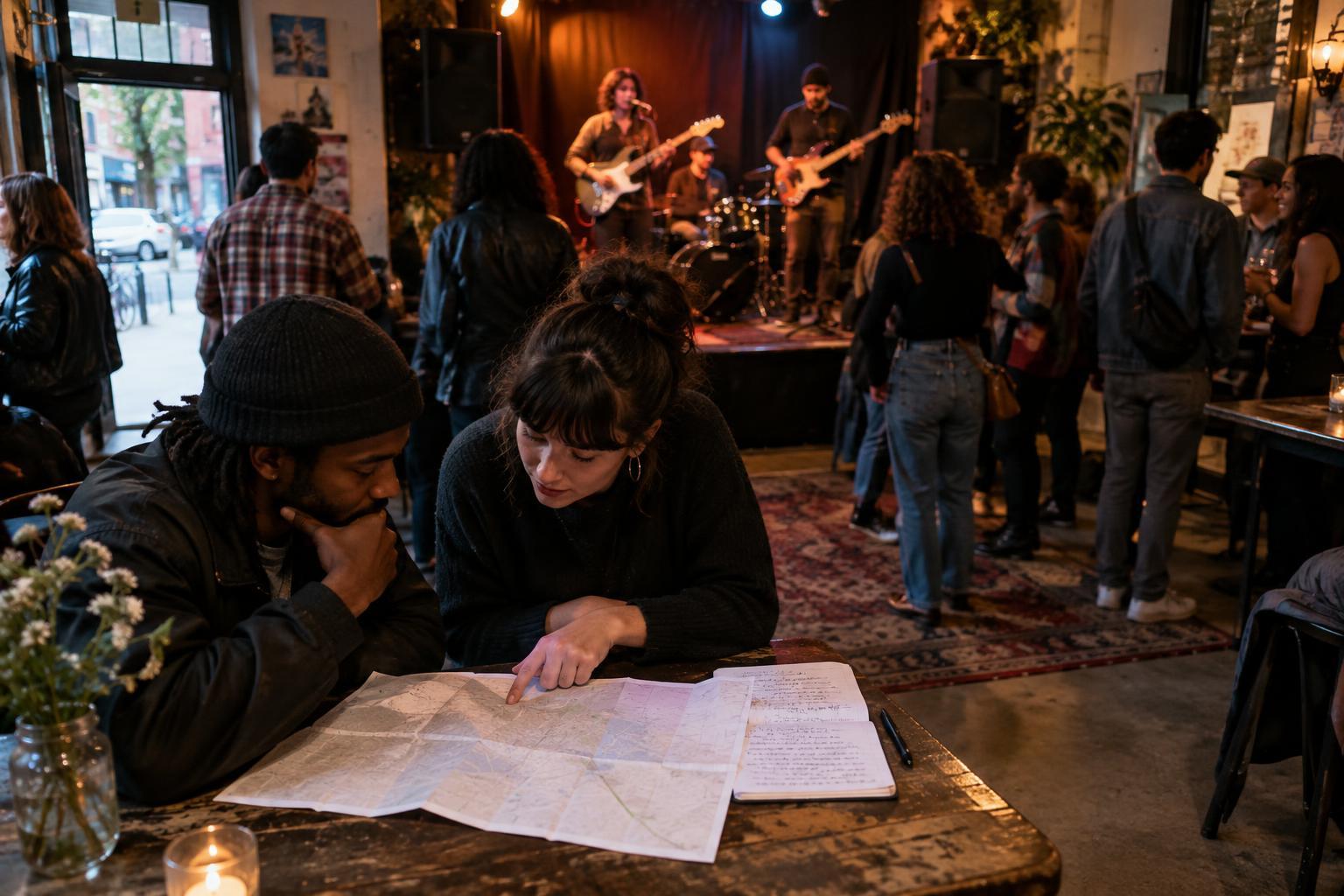
A DIY music scene is often described by its unusual venues, but the space is only one part of the story. The scene grows through people who book artists, lend equipment, design flyers, run sound, welcome newcomers and return to each other’s shows. Without that continuing effort, a memorable performance remains a one-off gathering rather than part of a wider musical community.
Organizing outside a conventional venue can give performers more say over a bill, a ticket price or the atmosphere they want to create. It can also make room for music that does not fit an established room’s schedule or expectations. DIY does not mean working without a plan, however. The smaller the team, the more important it is to decide who will handle each task before the doors open.
Finding a space that fits the music
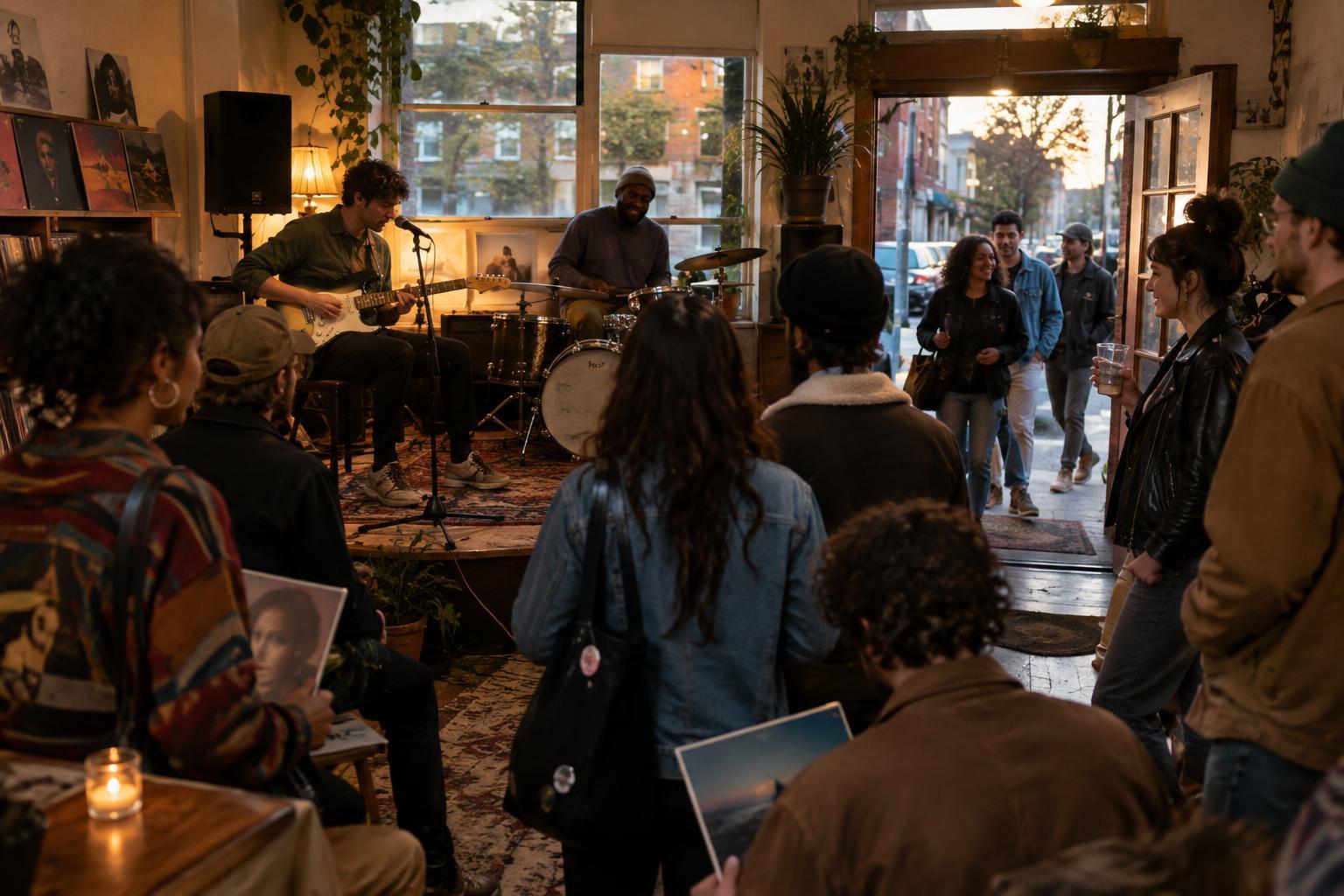
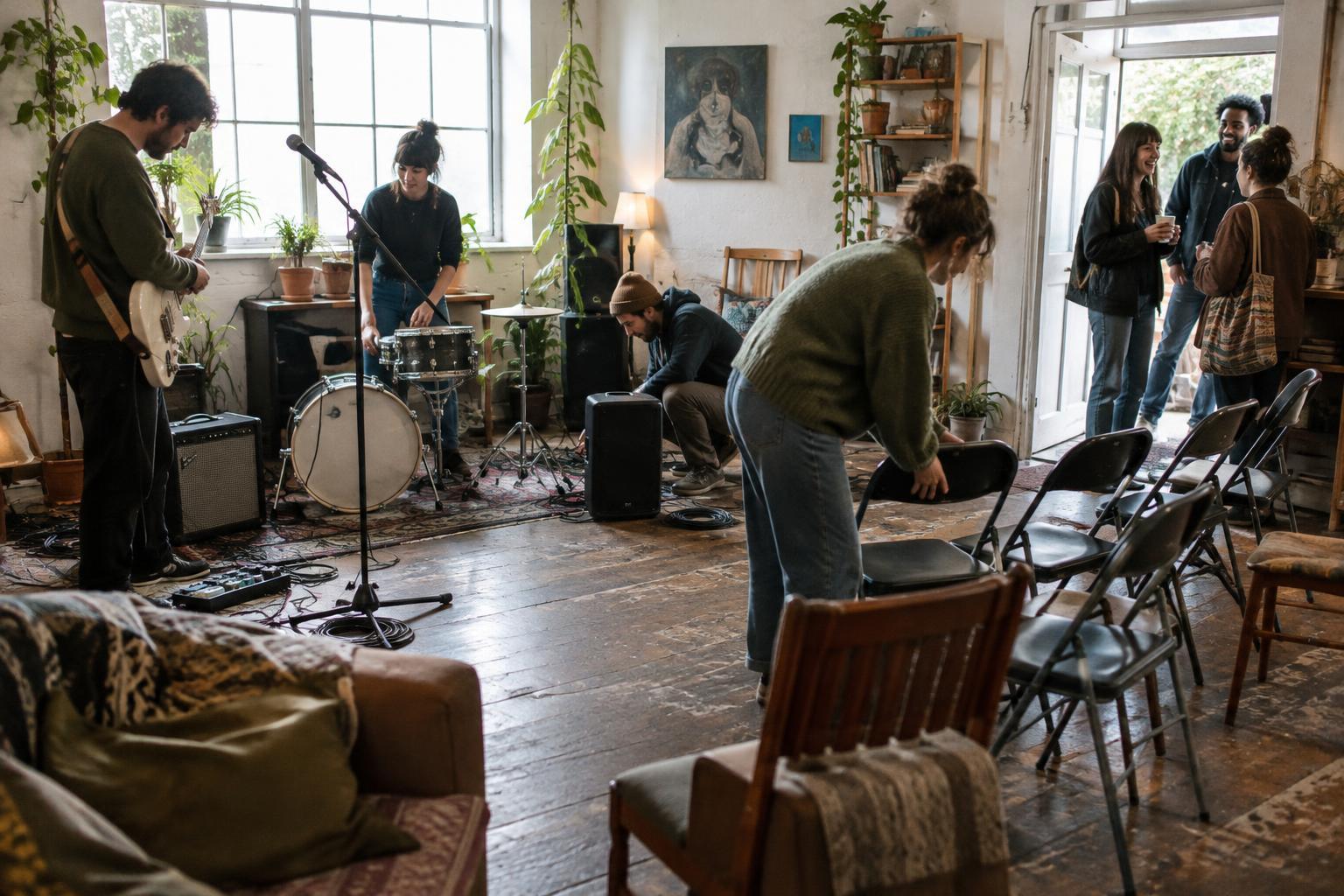
A living room, rehearsal studio, gallery, community hall or borrowed workspace can each support a different kind of show. Organizers may start by asking what the performance needs: a quiet audience, room to move, reliable power, an accessible entrance or space for several acts to change over. Capacity matters too. A room that feels intimate with a modest crowd may become uncomfortable when more people arrive than expected.
An invitation to use a space is not the same as permission to host any kind of event there. Organizers need to understand the host’s boundaries and any applicable rules about occupancy, noise, fire safety and public gatherings. Clear plans for entrances, exits, bathrooms and the end of the night help protect both the audience and the relationship with the space. If a location cannot accommodate the event safely, changing the format is better than hoping for the best.
The work behind an informal show
DIY events can look spontaneous from the audience, yet even a short set requires coordination. Someone has to confirm the lineup, tell artists when to arrive, arrange sound checks and make sure the equipment suits the room. A simple shared schedule can prevent long gaps between sets and give performers a clear point of contact when something changes.
Money deserves the same clarity. Before promoting a show, organizers can agree on costs, the suggested contribution or admission price, and how proceeds will be divided. Artists and helpers should know what is being offered rather than having to guess at the end of the night. Not every task can be paid, but naming the labor involved makes it easier to distribute it fairly and avoid relying on the same few volunteers every time.
Building an audience without losing trust
Word of mouth, local posters and artist-run channels can bring listeners to an unfamiliar space. The most useful invitation explains what a guest needs to know: the music, start time, cost, basic access information and how to find the entrance. For a private or limited-capacity gathering, organizers may share the exact address only with confirmed attendees. That choice works best when people understand the process in advance rather than encountering a surprise on the way to the show.
Hospitality extends beyond publicity. A person at the door can explain where to go and whom to ask for help. Readable signs, a place to step away from the sound when possible, and a stated approach to unwanted behavior can make a temporary room easier to navigate. Organizers cannot promise that every space meets every access need, but they can describe its limitations honestly and invite questions before guests commit to attending.
Keeping the scene going
A lasting DIY scene depends on relationships outside the performance itself. Neighbors and space hosts may be affected by noise, crowds or cleanup; artists may judge whether an invitation is worth accepting by how they were treated last time. Finishing on schedule, leaving a room in good condition and following through on payments are practical ways to earn the chance to gather again.
Scenes also stay lively when newcomers can learn how to participate. Sharing a contact for borrowing gear, inviting someone to help with a door shift or explaining how a bill was put together can turn an audience member into a future collaborator. The goal is not for every gathering to grow larger. Sometimes success means a manageable show, a fair experience for the people who made it happen and enough trust to try something new together.