A collaboration can open more than one door
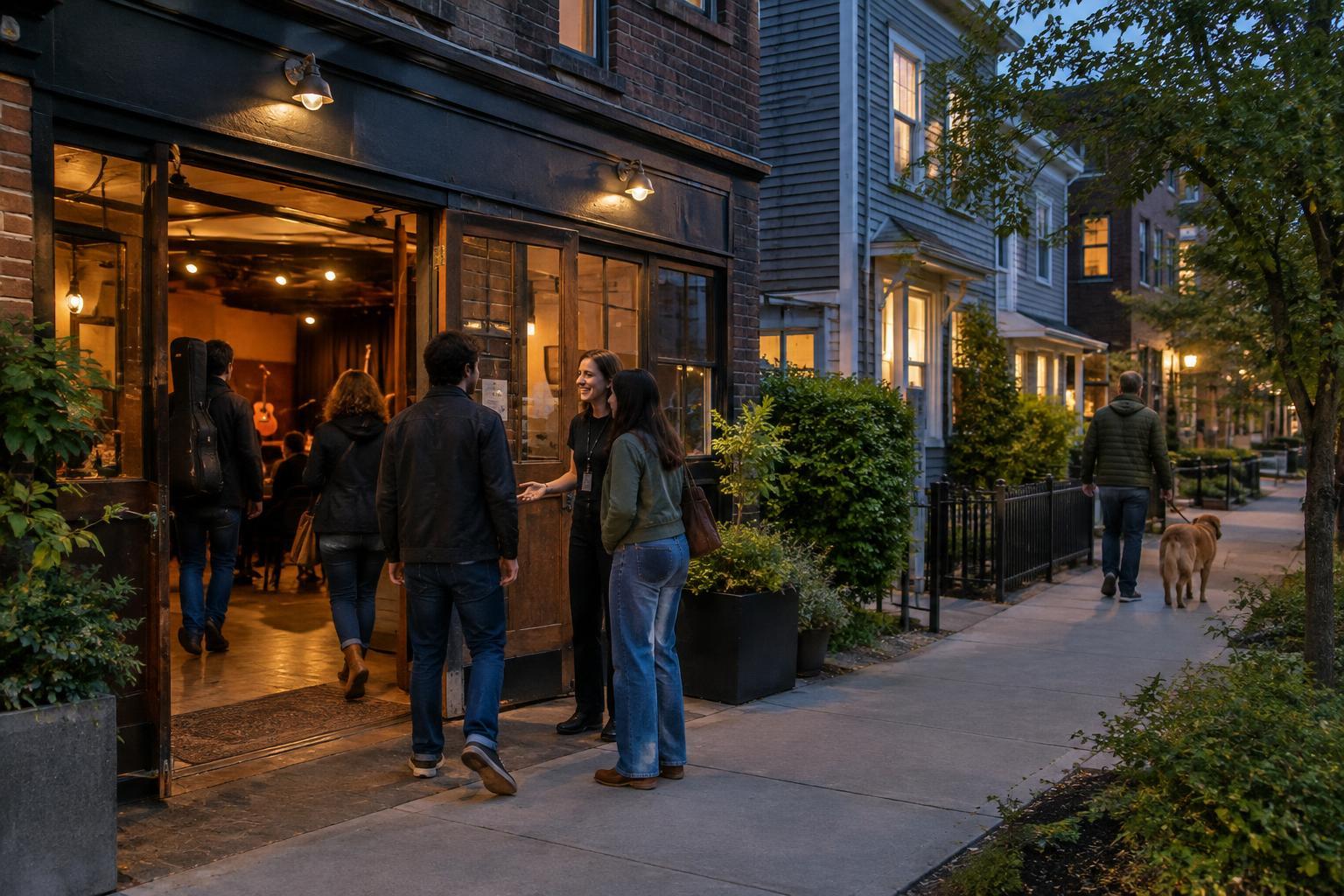
A local music scene is not one unified crowd. It is a collection of musicians, listeners, venues, rehearsal spaces and informal networks that may rarely overlap. A rapper and a folk trio might perform only a few blocks apart yet know little about each other’s audiences. When they make something together, they create a reason for those networks to meet.
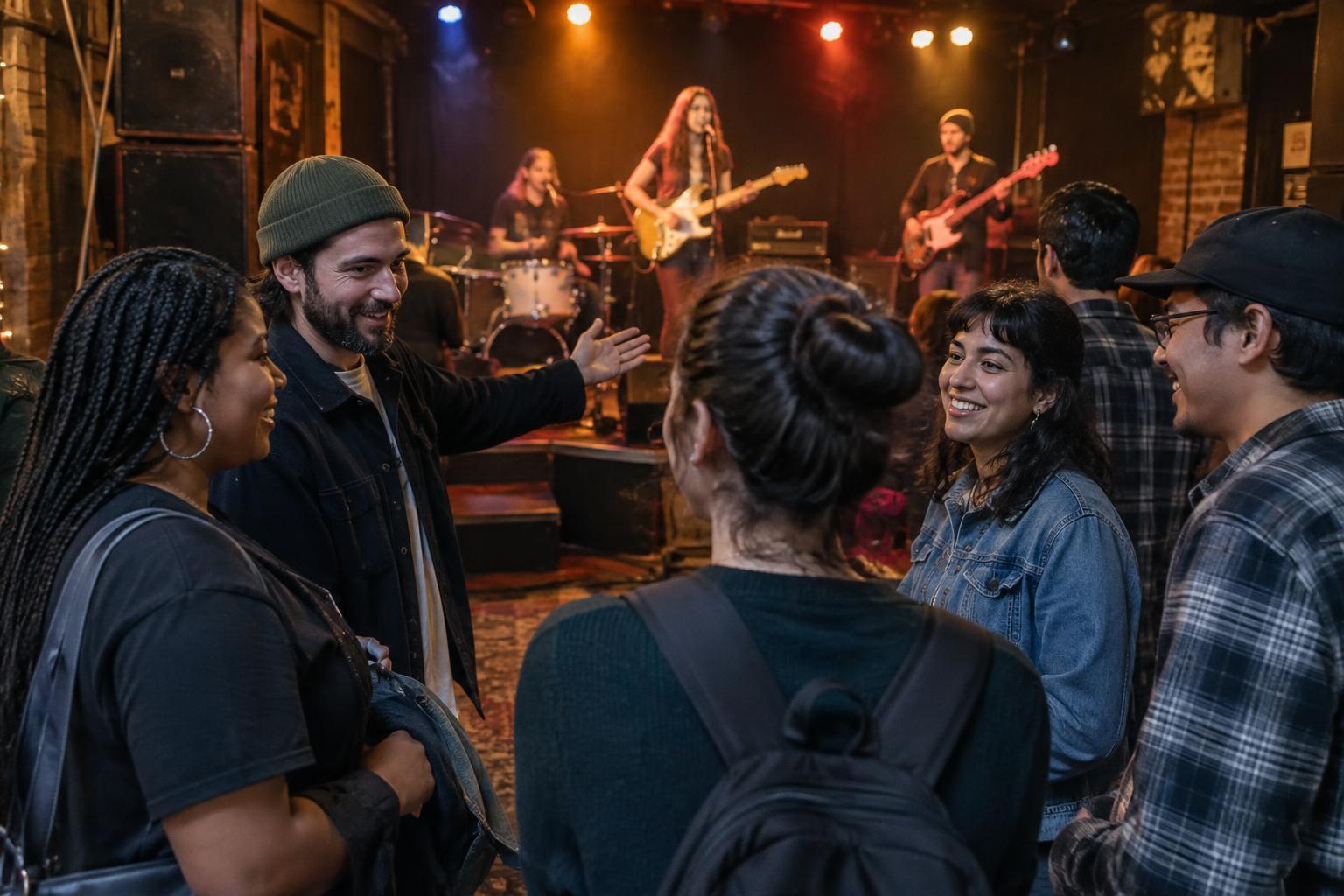
That meeting can begin with a shared song, a guest appearance or a bill built around an unexpected pairing. Listeners who come for one artist may stay for another. Musicians may discover a venue they had overlooked, while promoters learn that an audience does not always fit neatly into a single genre label. None of this guarantees a lasting connection, but it gives people a starting point that a conventional lineup might not provide.
New sounds emerge from different working habits
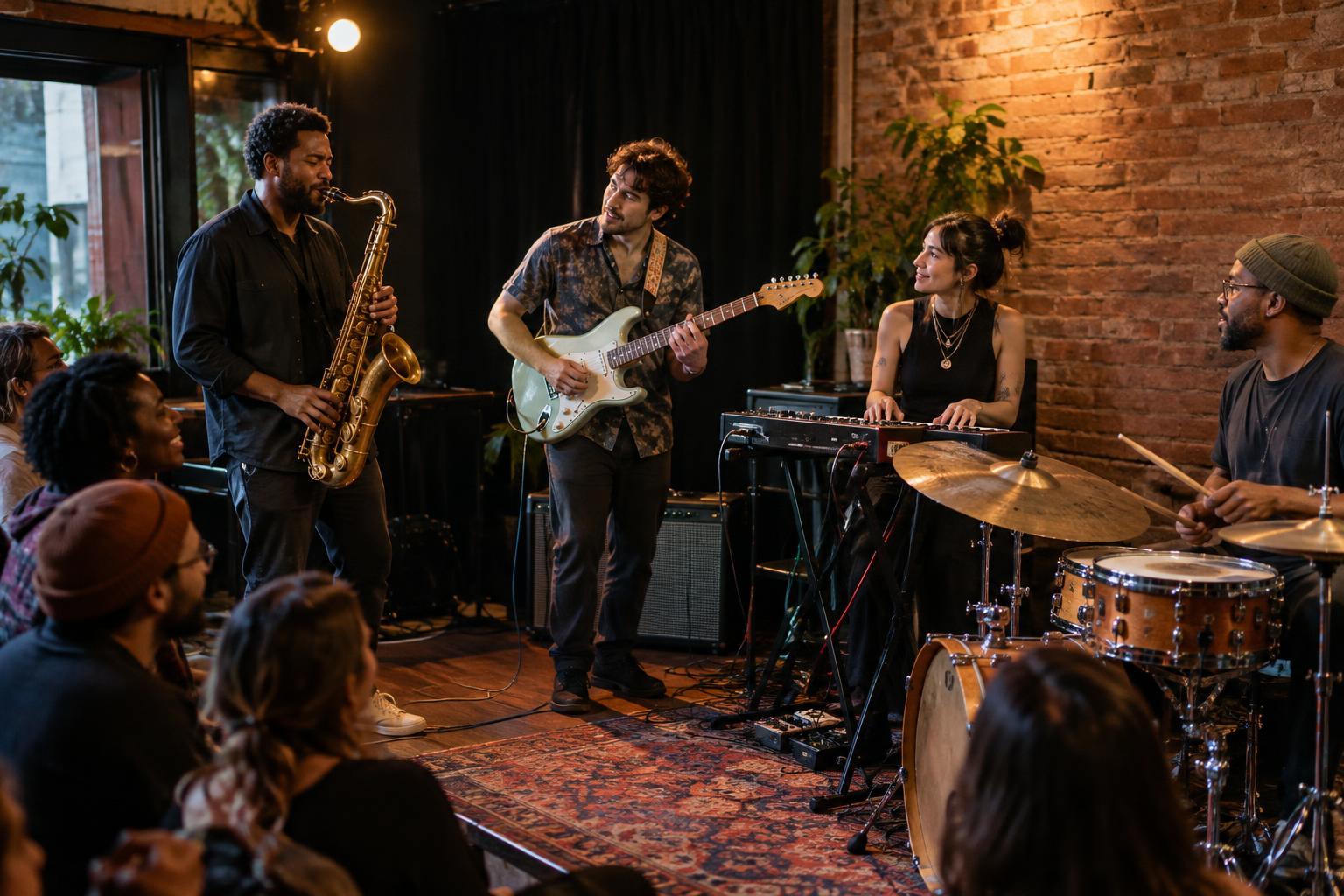
Genres offer musicians useful habits: ways of building a rhythm, shaping a set or responding to a crowd. Collaboration puts those habits in conversation. An electronic producer may think in loops and layers, while a jazz ensemble may leave space for a phrase to change during a performance. Working together asks both sides to decide what should remain flexible and what needs a shared plan.
The interesting result is not always a seamless blend. A contrast between acoustic and programmed sounds, or between a tightly arranged chorus and an improvised passage, can become the point of the piece. Artists can also take a modest idea back to their own projects, such as leaving more room in an arrangement or changing how they introduce a song onstage. In that way, one collaboration can influence work that never carries a joint credit.
Live shows turn musical overlap into social overlap
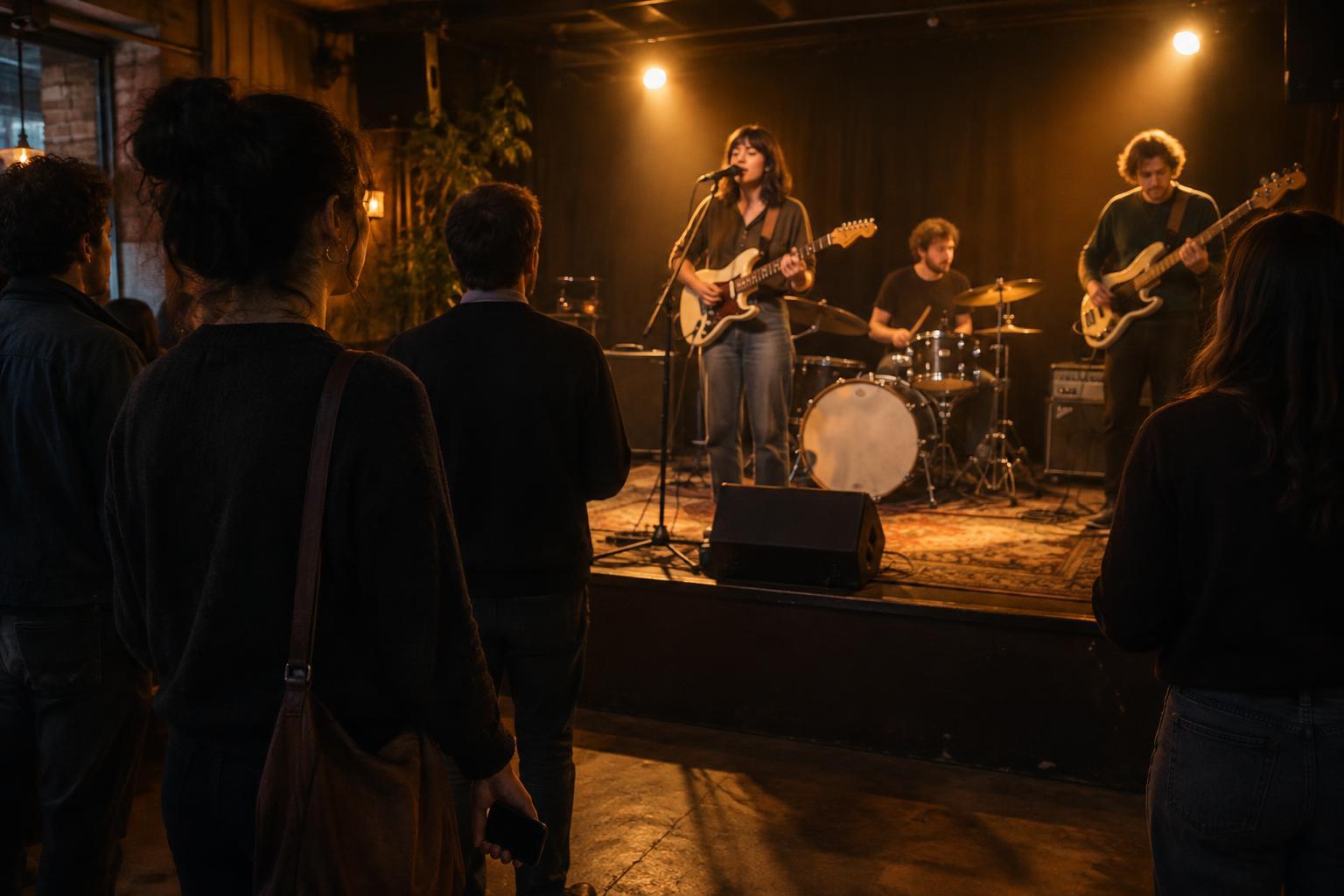
A recording lets people hear a collaboration; a live show lets them see how it works. Watching artists trade cues, adjust to each other and share the spotlight can make an unfamiliar style feel less distant. A thoughtfully planned mixed bill can help too, especially when the artists have time to explain why they chose to perform together rather than appearing as unrelated names on a poster.
The setting matters. Short sets, rushed changeovers or poor sound can leave little room for the collaboration to make sense. A venue does not need elaborate production, but it helps to allow time for a soundcheck, agree on equipment needs and give each act a clear role in the evening. Those practical choices make it easier for the music, rather than the logistics, to hold the audience’s attention.
Exchange works best when credit and trust are visible
Crossing genre lines is not automatically generous. If one artist borrows a sound associated with another community while treating its practitioners as background decoration, the partnership may feel one-sided. A more respectful approach starts with listening: What does each artist want to make? Which traditions or experiences are important to the work? Who is contributing ideas, and how will those contributions be credited?
Clear conversations about billing, payment, recording plans and decision-making can prevent avoidable frustration. So can allowing an artist to decline a creative direction without being cast as unwilling to experiment. The strongest collaborations do not require everyone to erase their differences. They give those differences enough room to be understood, challenged and represented by the people bringing them to the project.
What lasting change looks like
The clearest sign of a collaboration’s value may arrive after its first performance. Artists might invite each other onto future bills, recommend a sound engineer across scenes or make introductions that lead to a new project. Listeners might follow an unfamiliar act and return to hear them on their own terms. These small connections can gradually make a scene more welcoming to experimentation.
They are not inevitable. Audiences need more than a novelty pairing, and artists need more than a one-time invitation to supply a contrasting sound. For musicians and organizers, a useful question is whether the relationship has somewhere to go after the show. For listeners, curiosity is enough: arrive for the artist you know, pay attention to the one you do not, and notice what changes when they share the stage.