A campus brings people and places together
A college can change the sound of its surrounding neighborhood without hosting a single major concert. Students bring listening habits from different places, look for people to play with and seek out shows they can reach after class. Nearby cafés, record shops, community spaces and small venues may become gathering points. In turn, local musicians introduce students to sounds and traditions that existed long before the newest class arrived.
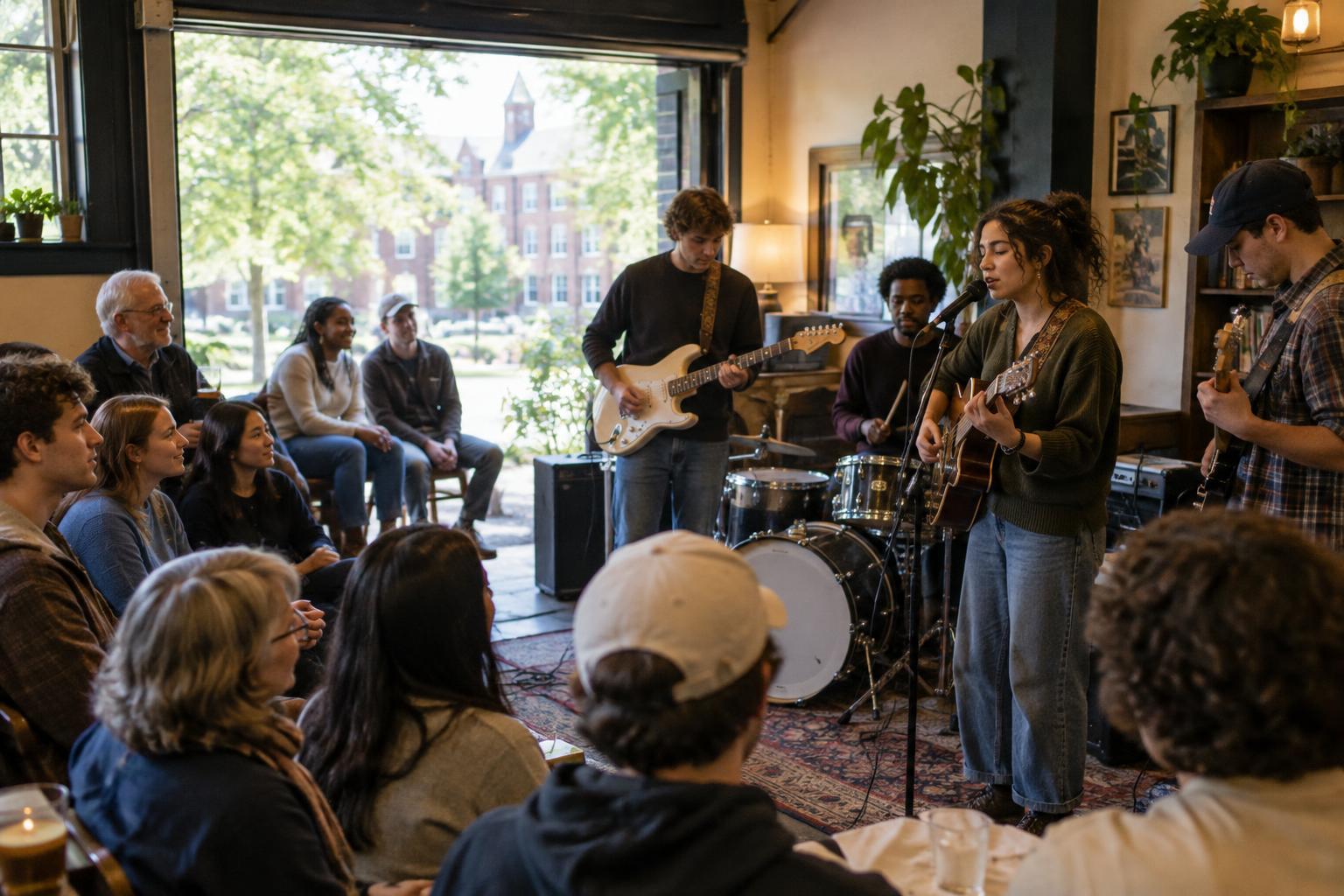
The result is not one unified “college sound.” It is a set of overlapping circles: a student band sharing a bill with a neighborhood act, an open mic drawing first-time performers, or a listener discovering a local artist through a classmate. These encounters matter because music scenes depend on repeated connections, not just memorable nights.
Spaces can make experimentation possible
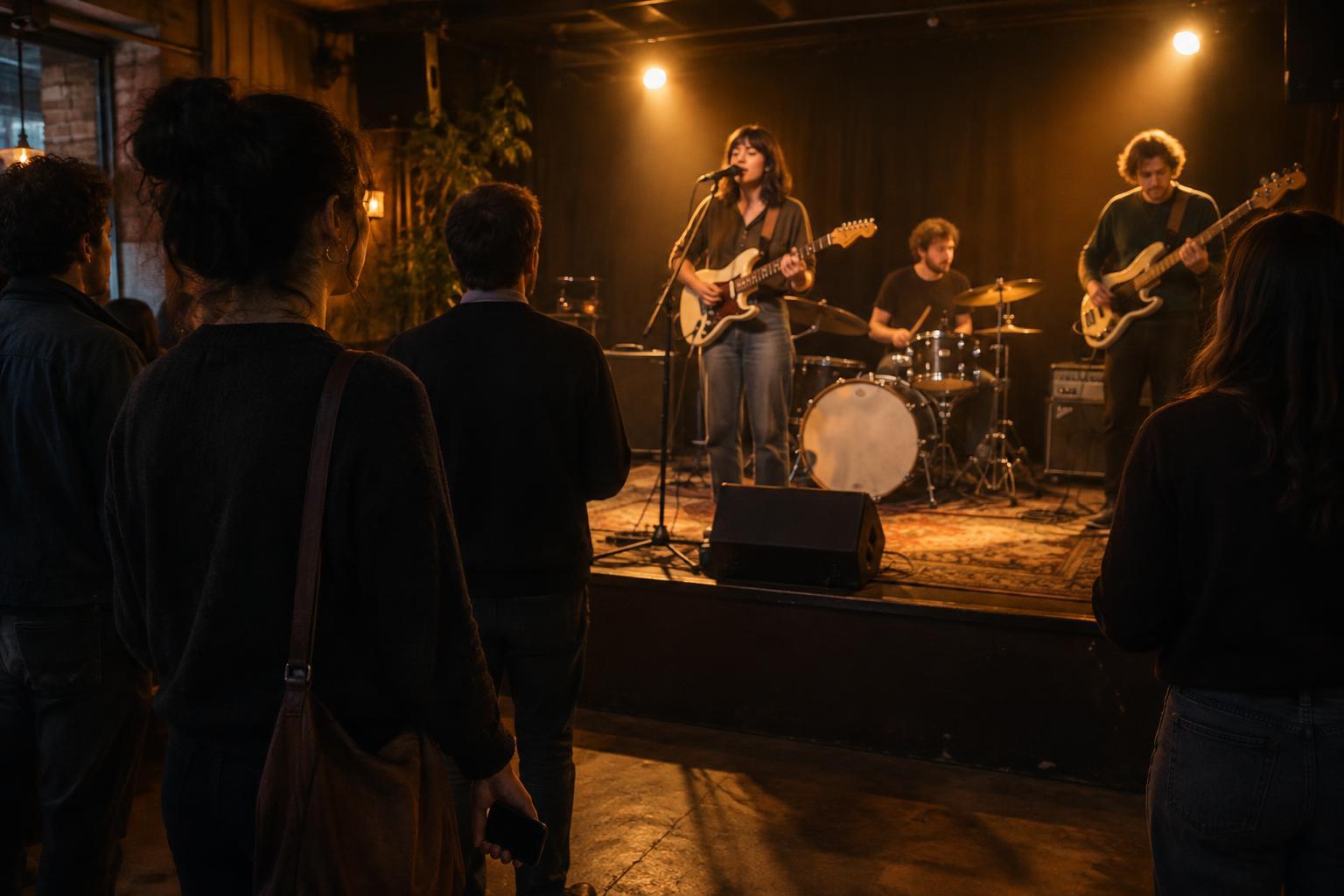
Where people can rehearse and perform shapes what they make. Depending on the school, campus practice rooms, student-run venues, radio stations or performance programs may give emerging musicians room to try ideas before seeking a wider audience. A short opening set or a low-pressure showcase can help a group learn how to work together onstage. Off campus, independent venues and community organizers may offer different audiences, expectations and opportunities for collaboration.
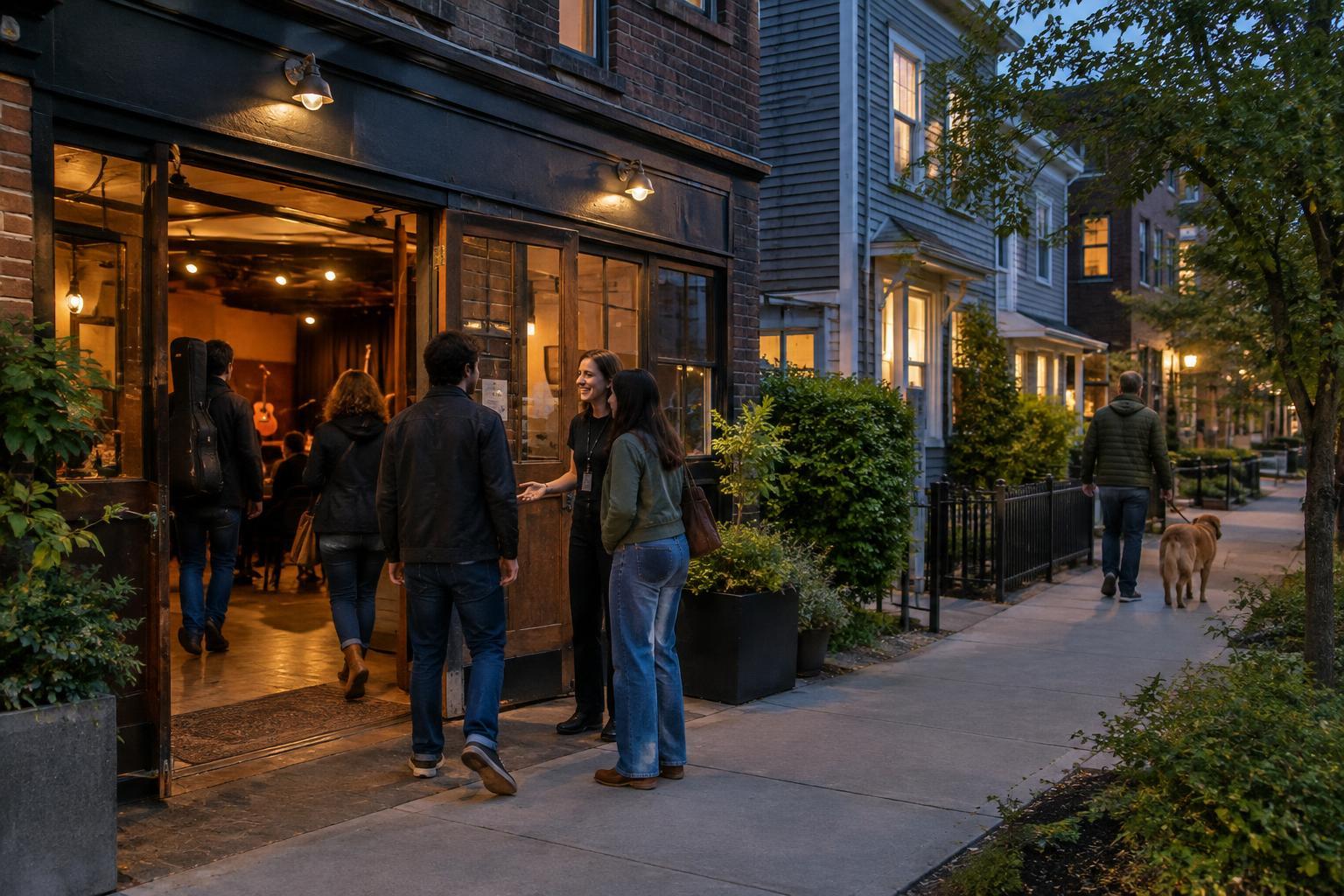
Access to those spaces is rarely equal. Some campus rooms may be limited to enrolled students, while off-campus stages may require musicians to cover travel, equipment or other costs. Even a welcoming venue can be hard to use if a show starts after the last convenient ride home. A strong connection between campus and neighborhood begins with asking who can enter, participate and get back safely—not simply counting how many events appear on a calendar.
Student turnover brings energy and a challenge
Each new group of students can bring fresh collaborators and curious audiences. That turnover can help a small show find new listeners or give an established local artist a reason to revisit a familiar room. Students who volunteer with a venue, host a radio program or photograph performances may also develop skills while helping others be heard.
But turnover can make relationships fragile. A student organizer may graduate just as a recurring show finds its footing. A band might leave town before its audience learns where to find its recordings. When knowledge lives only in one person’s inbox, the next group has to start again. Shared contacts, clear handoffs and partnerships with people who remain in the community can help good ideas survive beyond a single academic year.
The exchange should run in both directions
It is easy to describe the nearby city as a backdrop for student life. That view misses the musicians, sound technicians, venue workers and longtime listeners who sustain a scene year-round. Students can learn from local artists without treating their work as a campus resource to be used and forgotten. Likewise, campus organizers can create meaningful opportunities when they invite neighborhood performers into decisions about lineups, timing and promotion.
A balanced event makes its expectations clear. Performers should know what equipment is available, how long they will play and whether compensation or expense coverage is possible. Promotion should name every artist accurately and direct interested listeners toward their work. These habits may seem small, but they make collaboration easier to repeat. They also help audiences recognize a show as a meeting of communities rather than a one-way showcase.
How listeners can support the connection
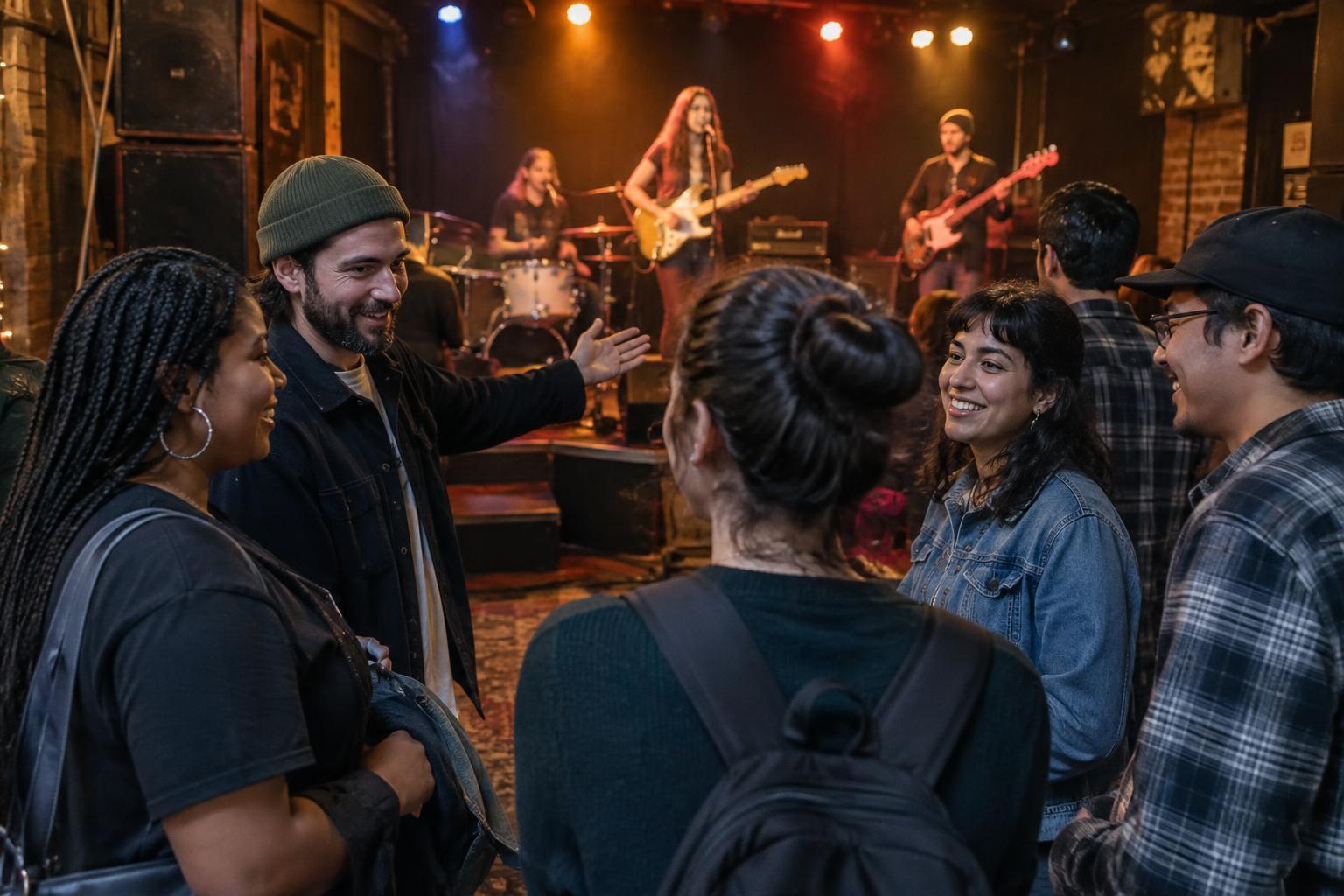
You do not need to organize a concert to take part. Try a local opener you have not heard before, visit a student-run performance that welcomes the public, or follow an artist you discover at either kind of show. If you can, buy music or merchandise directly from performers and pay attention to the independent spaces that host them. A conversation after a set can be as useful as an online recommendation when it leads to another listener showing up.
The most revealing question is not whether a town is a “college music town.” It is whether people with different ties to the place can keep making and hearing music together. Campuses can provide energy, space and new connections; neighborhood artists and venues provide continuity and a life beyond the school calendar. The scene becomes richer when neither side is treated as a guest in the other’s story.