What an input list does
An input list is a map of the sounds a crew expects to receive from the stage. Each row usually represents one console channel: a kick-drum microphone, a vocal microphone, a keyboard output or another source that needs its own connection and level control. The list helps the stage crew place cables and equipment, helps the front-of-house engineer organize the audience mix, and helps the monitor engineer prepare what performers will hear.
It is more than a count of microphones. A useful list gives each source an unambiguous name and may note its microphone or direct input (DI), stand requirements, stage position and any special routing. For a stereo keyboard, for example, separate left and right rows make it clear that two connections are needed. Layouts vary between crews and venues, so clarity matters more than following one universal template.
Starting with the performance, not the console
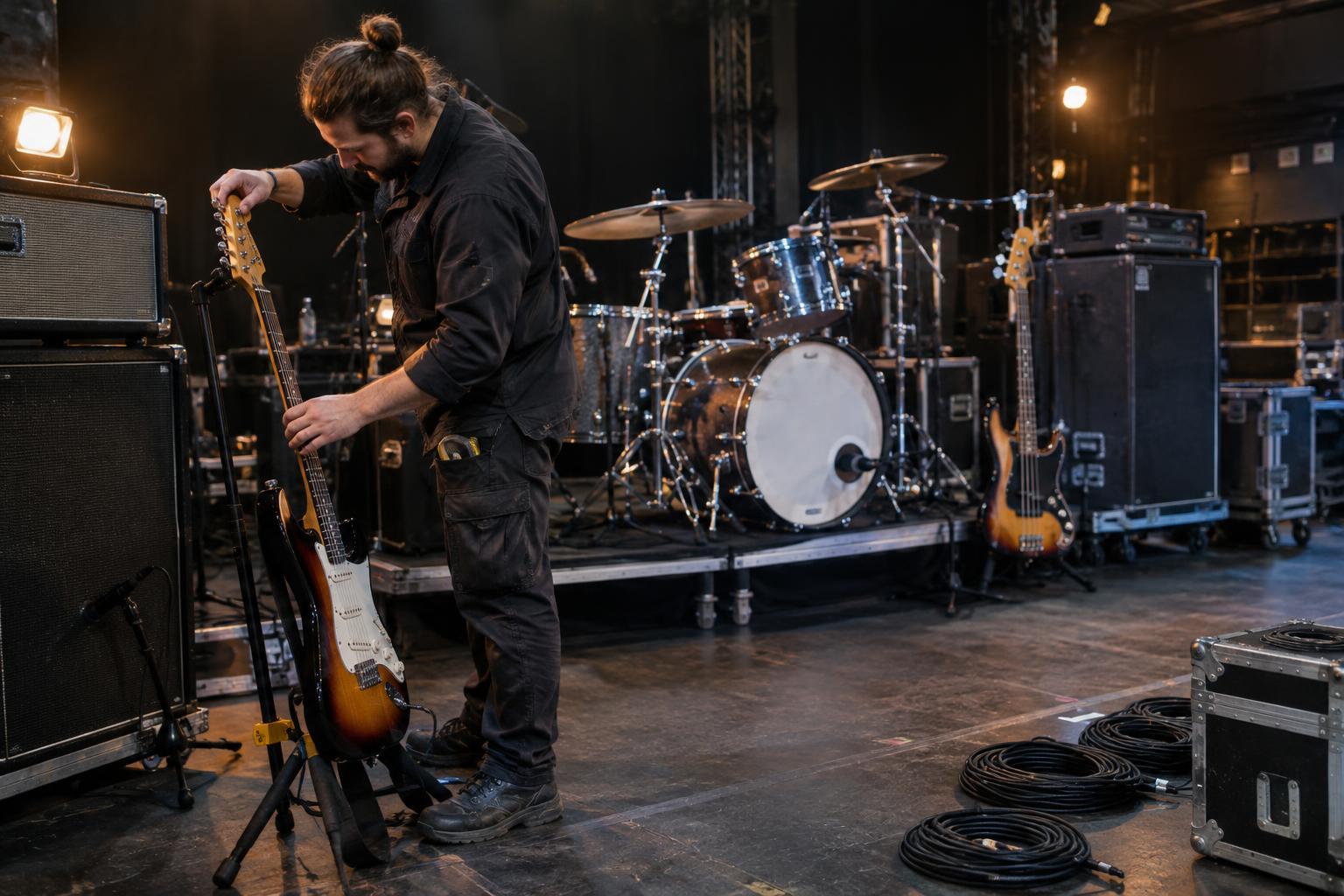
The first question is what will actually make sound during this show. A crew may begin with information supplied by the performers, then confirm the lineup, instruments, vocal positions and playback needs. The stage plot—the drawing of where performers and equipment will sit—complements the input list. One describes locations; the other describes audio connections. Reading them together can reveal a missing vocal microphone or a keyboard that is farther from the planned cable run than expected.
Crews also look for details hidden inside broad labels. “Drums” could mean a small acoustic kit, a kit with several additional microphones or electronic pads that require their own outputs. “Tracks” might mean a single stereo playback feed or separate music and cue feeds routed to different destinations. Asking about these distinctions early is easier than discovering them while performers are waiting onstage.
Turning sources into a workable patch
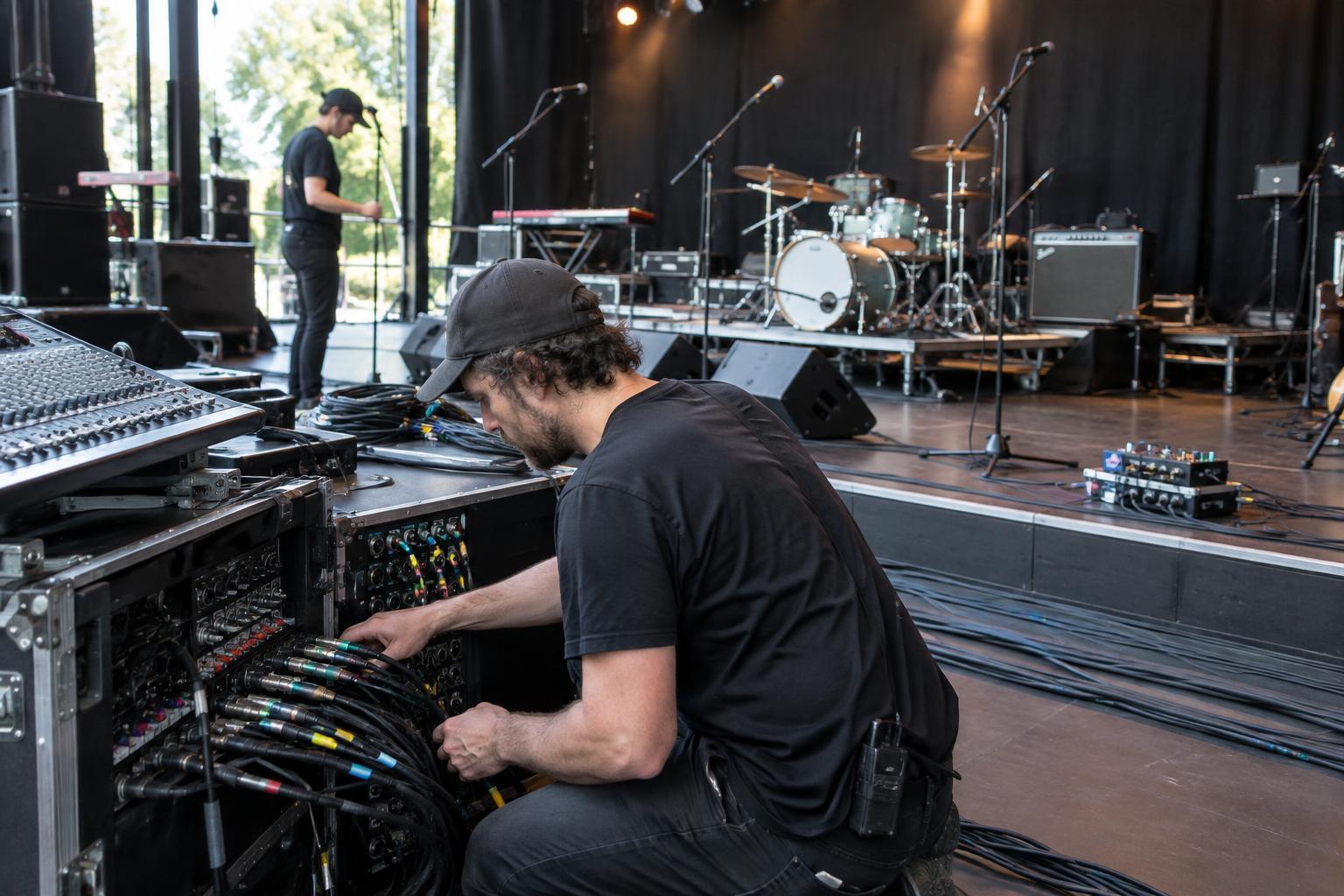
Once the sources are known, the crew assigns them to channels and physical connections. A patch plan identifies where each source plugs in, whether that is a nearby stage box or another available input point, and how it reaches the console. Channel names should match the labels used onstage as closely as practical. If a source is listed as “Vocal 2,” everyone should know which performer and microphone that means.
The list can carry practical notes without becoming a substitute for conversation. A DI may be needed to connect an instrument or playback device; a microphone may need a particular stand; an active device may require phantom power. Those requirements should be confirmed rather than assumed, especially when equipment is shared or performers bring their own gear. Crews may also reserve spare channels where capacity allows, but a spare is useful only if its connection can be identified when needed.
Front-of-house and monitor consoles do not always use identical channel numbers. In a setup with separate mixes, the important thing is a consistent way to identify each source across both systems. A clear source name and patch location can prevent confusion even when the two engineers arrange their console channels differently.
Checking the list against the stage
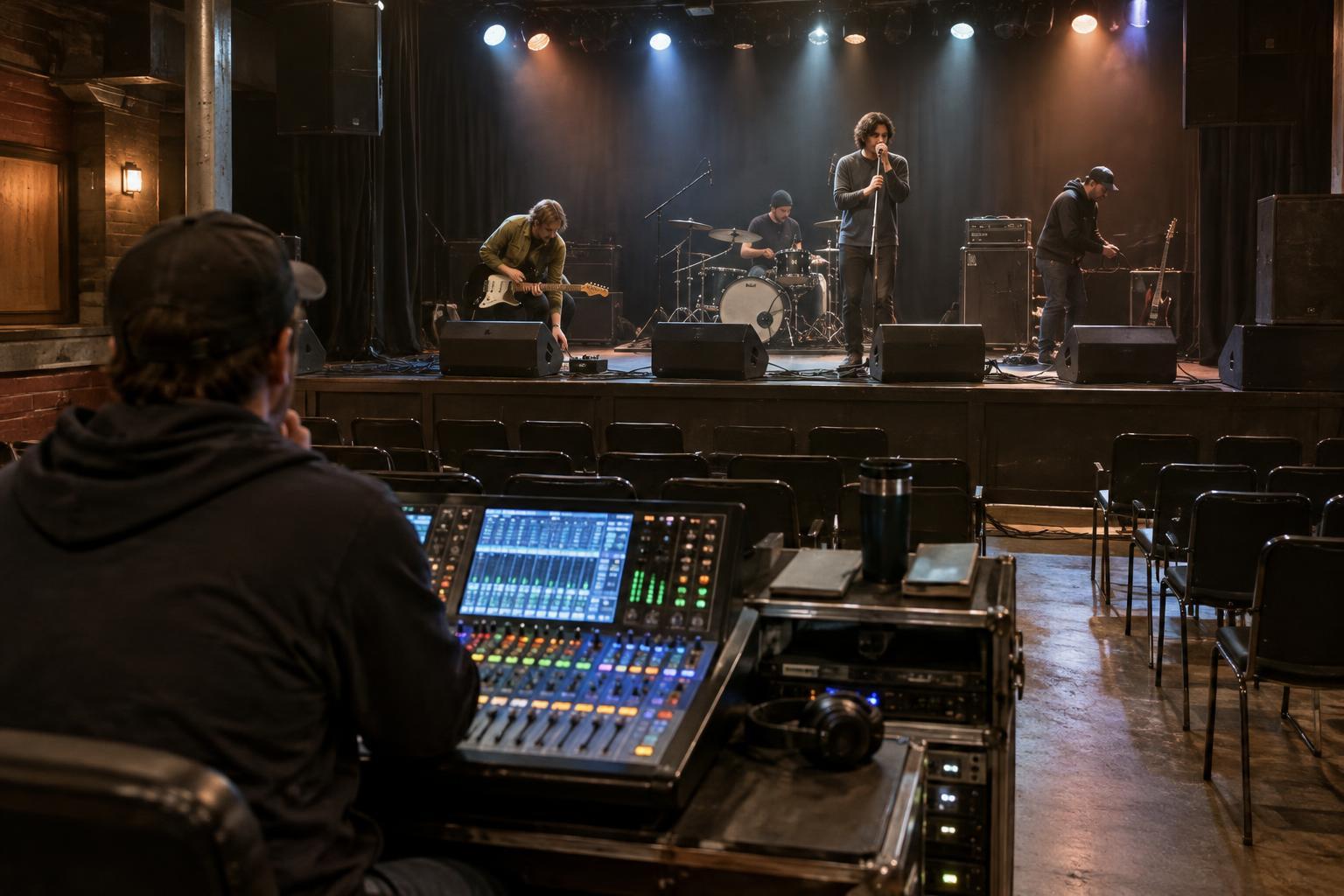
An input list is a plan until someone verifies it. During setup, the crew can compare the document with the instruments, microphones, DIs and cables in place. The next step is often a line check: testing each source in turn to confirm that a signal reaches the expected channel and is labeled correctly. If the kick drum appears on the bass channel, the crew can trace the connection and correct either the patch or the documentation.
A line check is not the same as a full soundcheck. It establishes that the signal path works; a soundcheck also gives engineers and performers a chance to adjust levels, tone and monitor mixes in a performance-like setting. Available time varies, so a tidy input list helps crews focus their checks. Any change made onstage—a different keyboard output, an added microphone, a moved DI—should be passed to everyone whose routing or mix it affects.
Why the final version still needs flexibility
Live setups change. An instrument may be swapped, a performer may use a different microphone, or a planned connection may prove impractical. A good input list makes those changes manageable because it gives the crew a shared starting point. Updating the working copy, rather than relying on several people’s memories, reduces the chance that one position is checked against an outdated plan.
For concertgoers, the process is mostly invisible. What they hear is the result: instruments arriving where engineers expect them, vocals reaching the right channels and fewer interruptions caused by preventable routing surprises. The input list does not guarantee a great mix, but it gives the people building one a clear, testable map.