Start with the rules for your specific event
A packing list can help you remember sunscreen or a phone charger, but it cannot tell you what will be allowed through a particular festival gate. Entry rules vary by event and sometimes by venue, day, or admission type. Before you choose a bag, find the official entry information for the festival you plan to attend. Check the event’s own website or attendee guide, then look for any update sent with your ticket or posted before your visit.
Read beyond a short list of prohibited items. Look for sections on bag dimensions, permitted containers, security screening, accessibility, and re-entry. If two official pages seem to disagree, seek clarification from the event rather than assuming the less restrictive rule applies. Keep the relevant information easy to find on your phone, but do not rely on a screenshot from an older event: policies can change.
Check the bag before you fill it
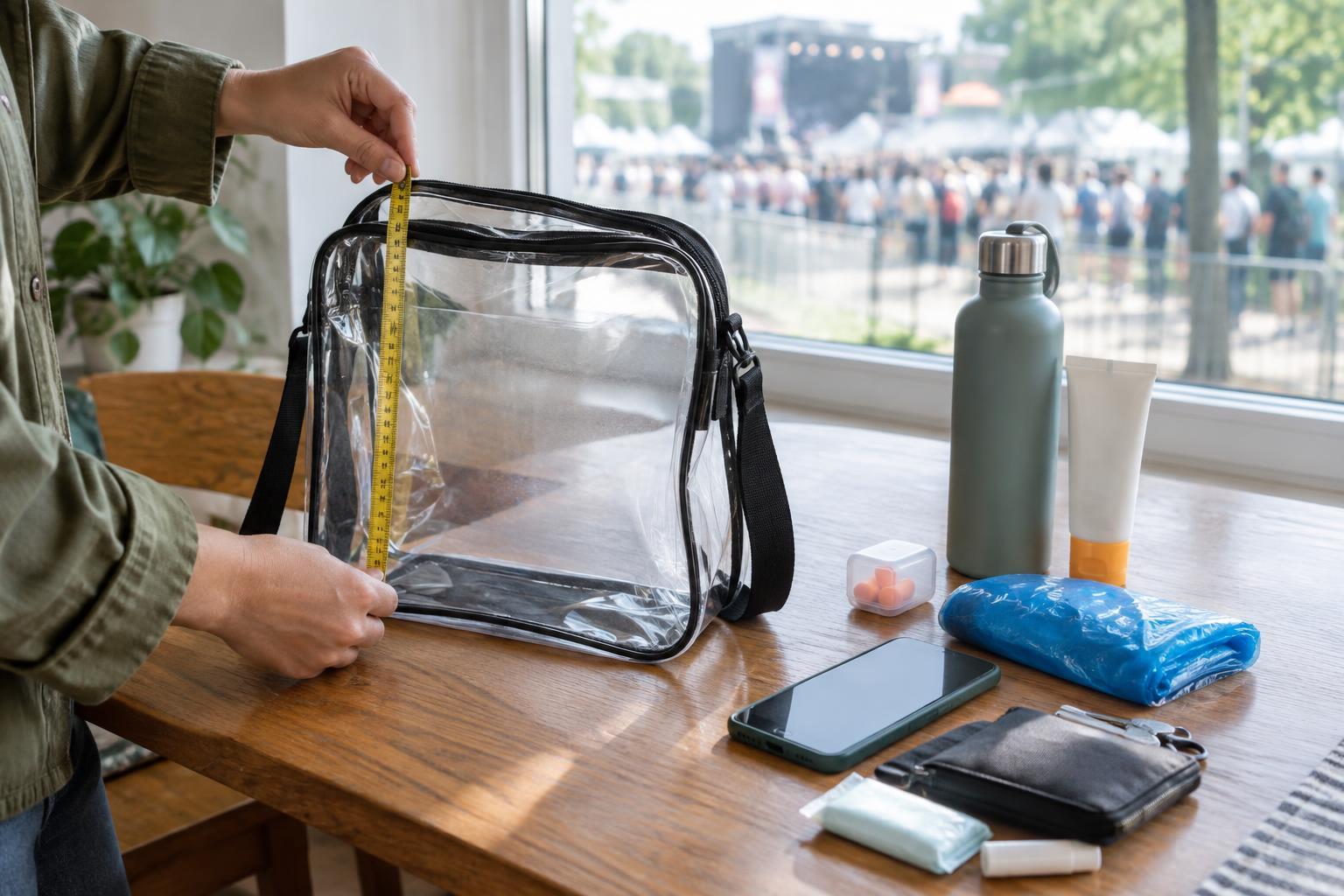
Bag rules can be surprisingly specific. An event may limit size, require a particular material, restrict the number of bags per person, or make exceptions for certain needs. Measure the bag you intend to carry, including its depth, instead of judging it by sight. Check whether small personal items such as a wallet pouch count as a second bag and whether backpacks, hydration packs, or camera bags have separate rules.
Then consider how you will use the bag throughout the day. A compact, comfortable bag is easier to keep close in a crowd and less tempting to overfill. Put essentials where you can reach them without emptying everything at the gate. If the event provides lockers or a bag check, confirm how that service works before treating it as a backup plan. Leaving an item behind at home is usually simpler than finding a place for it after entry is refused.
Review food, water, and everyday essentials
Water rules deserve a careful read, especially if you expect to spend hours outdoors. Check whether empty refillable bottles are allowed, whether bottles must meet a size or material requirement, and whether hydration packs are permitted. Do not assume that a sealed drink is acceptable just because an empty container is. If you plan to bring snacks, look for rules on outside food and any stated exceptions for dietary needs.
The same approach applies to sunscreen, hand sanitizer, umbrellas, and portable chargers. Each may be useful, but festivals can distinguish between, for example, a lotion and an aerosol, or a small power bank and a larger battery. Pack for the forecast and the time you expect to be on site, while giving the published rules the final say. If an item is essential to your comfort, check it early enough to find a permitted alternative.
Look closely at cameras, signs, and other easy-to-miss items
Many entry surprises come from things that seem harmless at home. Camera rules may distinguish between phones, compact cameras, detachable lenses, tripods, and recording equipment. A sign or flag might be allowed only within certain dimensions or without a pole. Chairs, blankets, costumes, and toys can also have their own restrictions. If you are bringing something mainly for fun or convenience, search the entry guide for that item rather than assuming it is covered by a general bag policy.
Avoid packing anything you would be upset to lose unless you are confident it is permitted and you can keep it secure. Screening staff may need to inspect your belongings, and a permitted item can still slow entry if it is buried beneath loose gear. Group similar items together and leave unnecessary packaging at home. A simpler bag is easier to check and easier to manage between performances.
Plan for exceptions and the trip back out
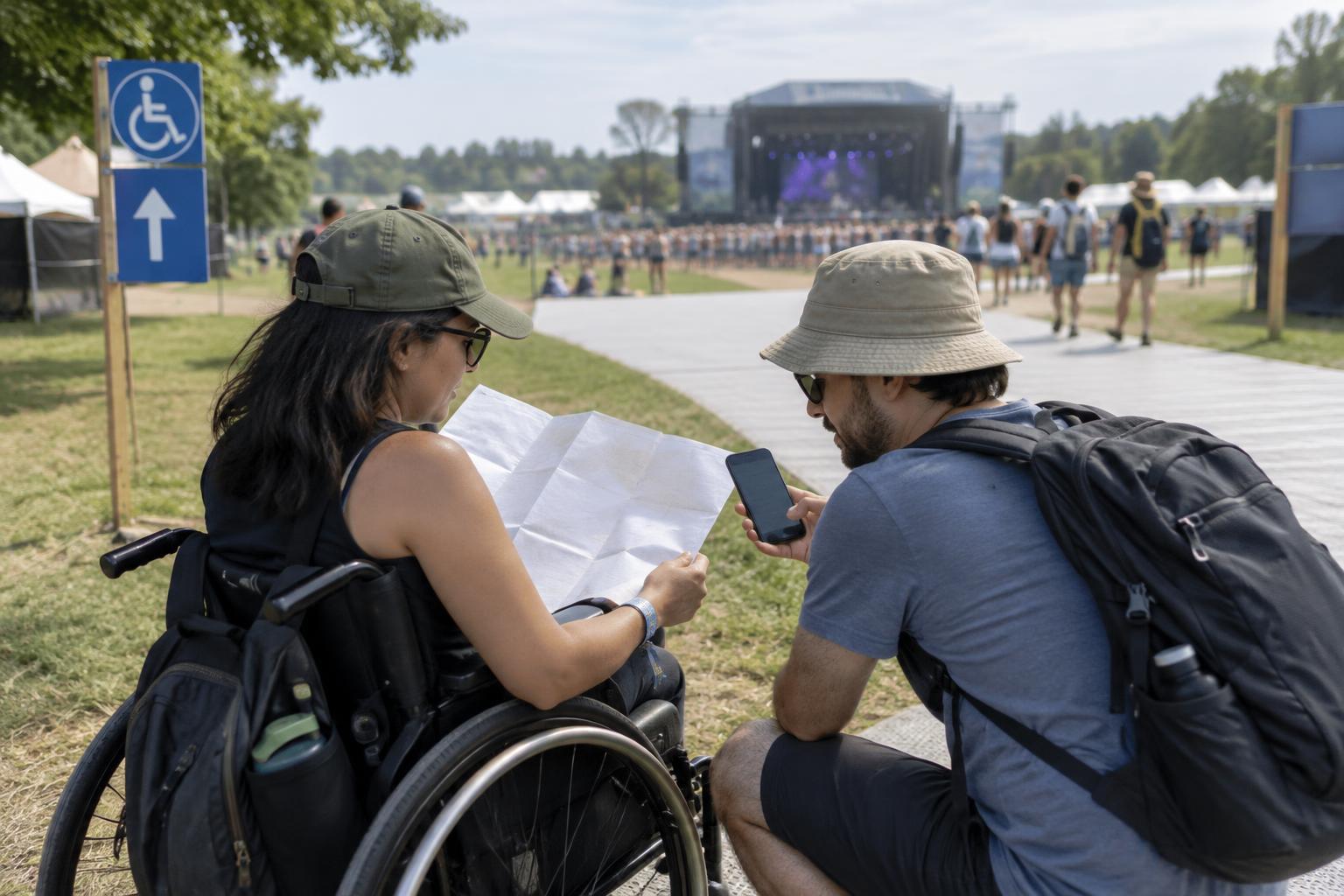
Some attendees need to carry medication, mobility-related items, or supplies for another access need. Do not guess how a general prohibition applies to an essential item. Review the event’s accessibility and entry guidance and contact the organizer in advance if the process is unclear. Ask what information, if any, you should have ready at the gate. The goal is to understand the procedure, not to leave something necessary behind.
Finally, check re-entry rules before deciding what to keep in a car, hotel room, or nearby locker. Some events do not allow you to leave and return on the same admission, which makes a forgotten layer or charger more consequential. The night before, do a final bag check against the current official rules, remove anything questionable, and make sure your admission details and identification, if required, are accessible. A few minutes of checking can make arrival calmer and leave more of your attention for the music.