Start with the experience you want
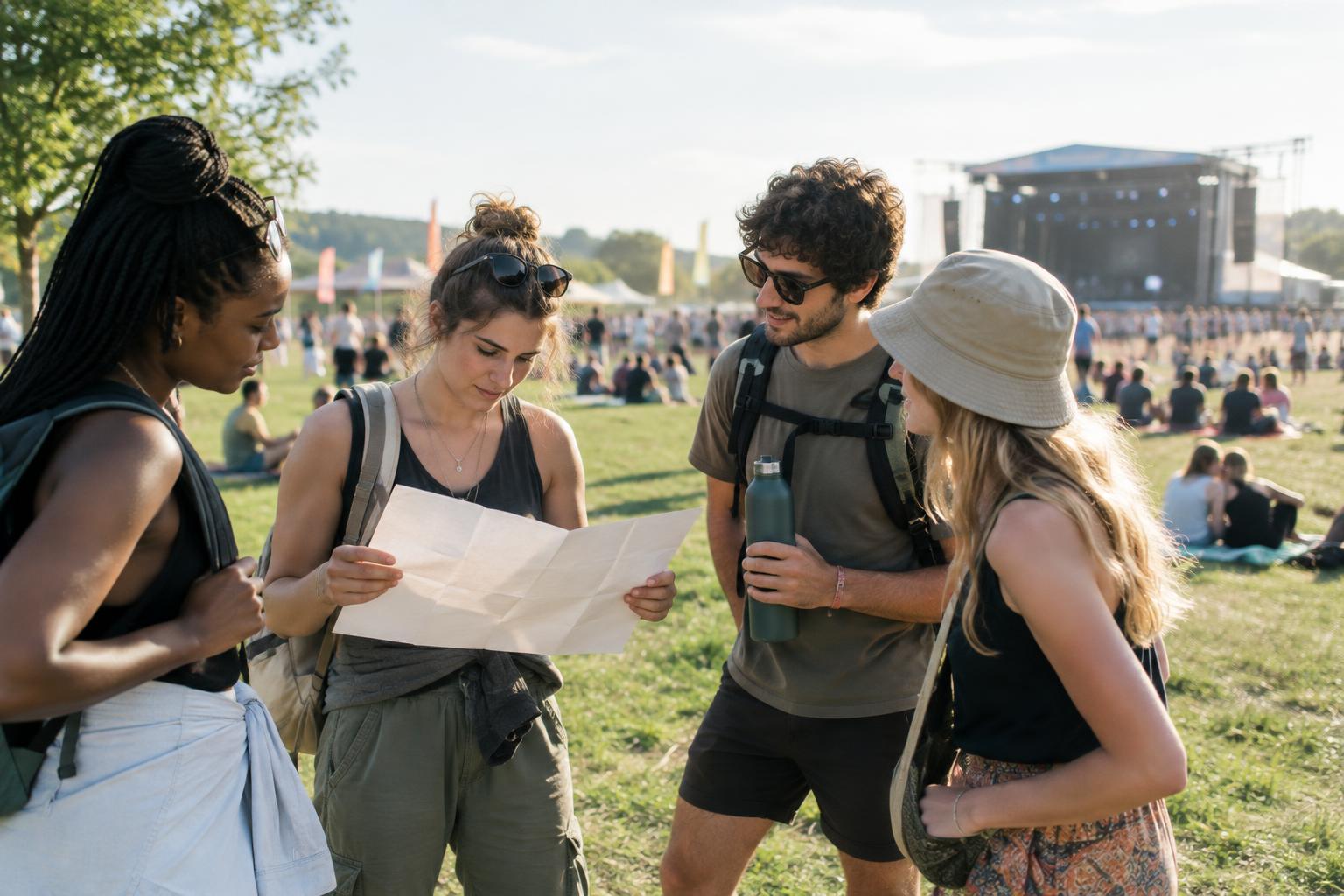
A day festival and a camping festival can feature similar music, but they ask different things of you. At a day festival, you arrive, explore the site, hear the performances you choose, and leave for home or other accommodation. At a camping festival, the campsite becomes part of the trip. Mornings, meals, and conversations between sets can feel as memorable as the shows.
Neither format is inherently more authentic. A day ticket may suit someone who wants to concentrate on a lineup without arranging several days away. Camping may appeal to someone who enjoys settling into a temporary community and taking the weekend at a slower pace. Before comparing lineups, ask what you want to remember most: particular performances, time with friends, a change of routine, or a little of each.
Compare convenience with immersion
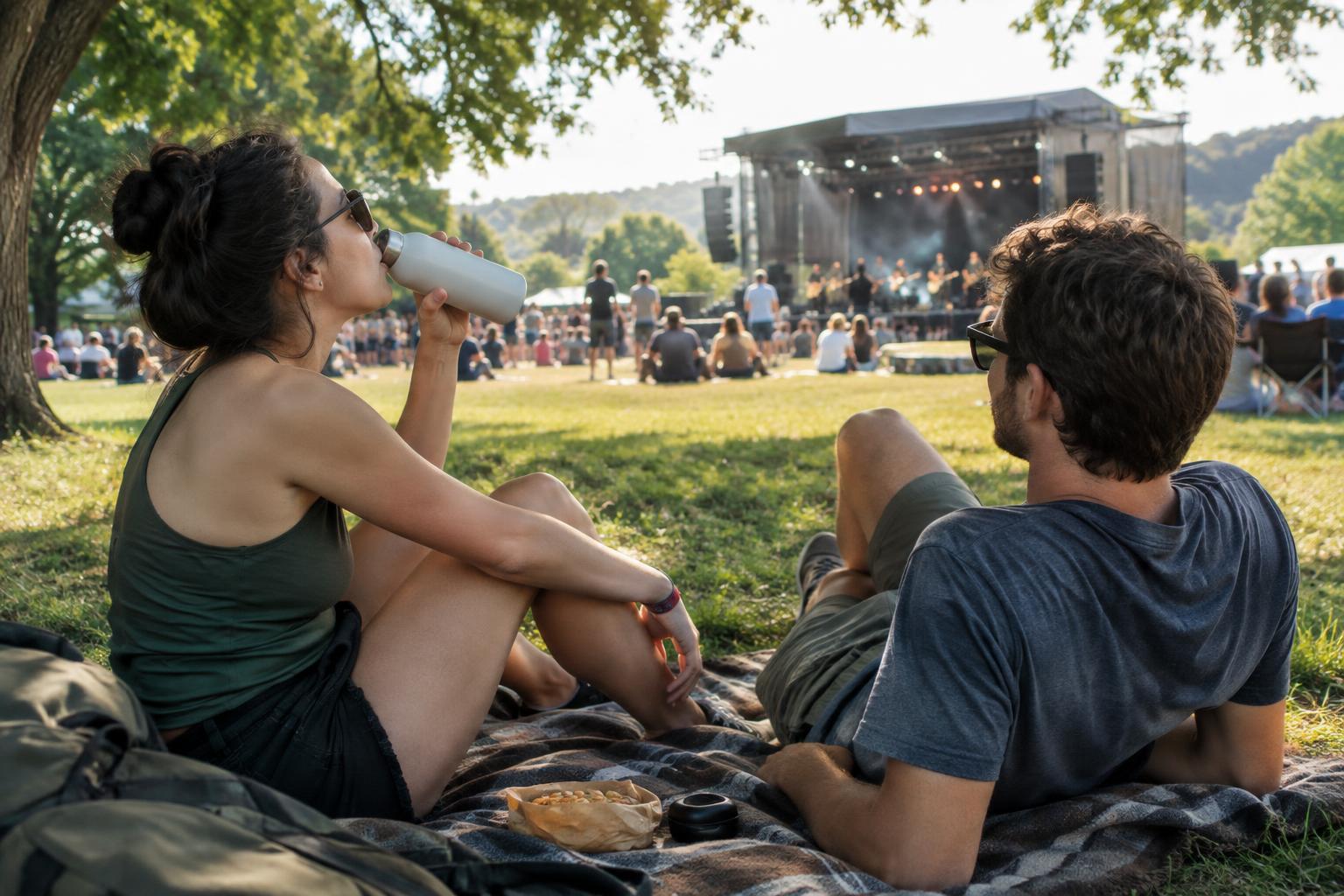
The clearest advantage of a day festival is the ability to reset afterward. You can shower, sleep in a familiar place, and pack only what you need for the day. That can make the outing easier for someone new to festivals or anyone who values a predictable bedtime. The trade-off is the journey in and out. If travel takes a long time, you may feel pressure to fit every appealing act into one visit.
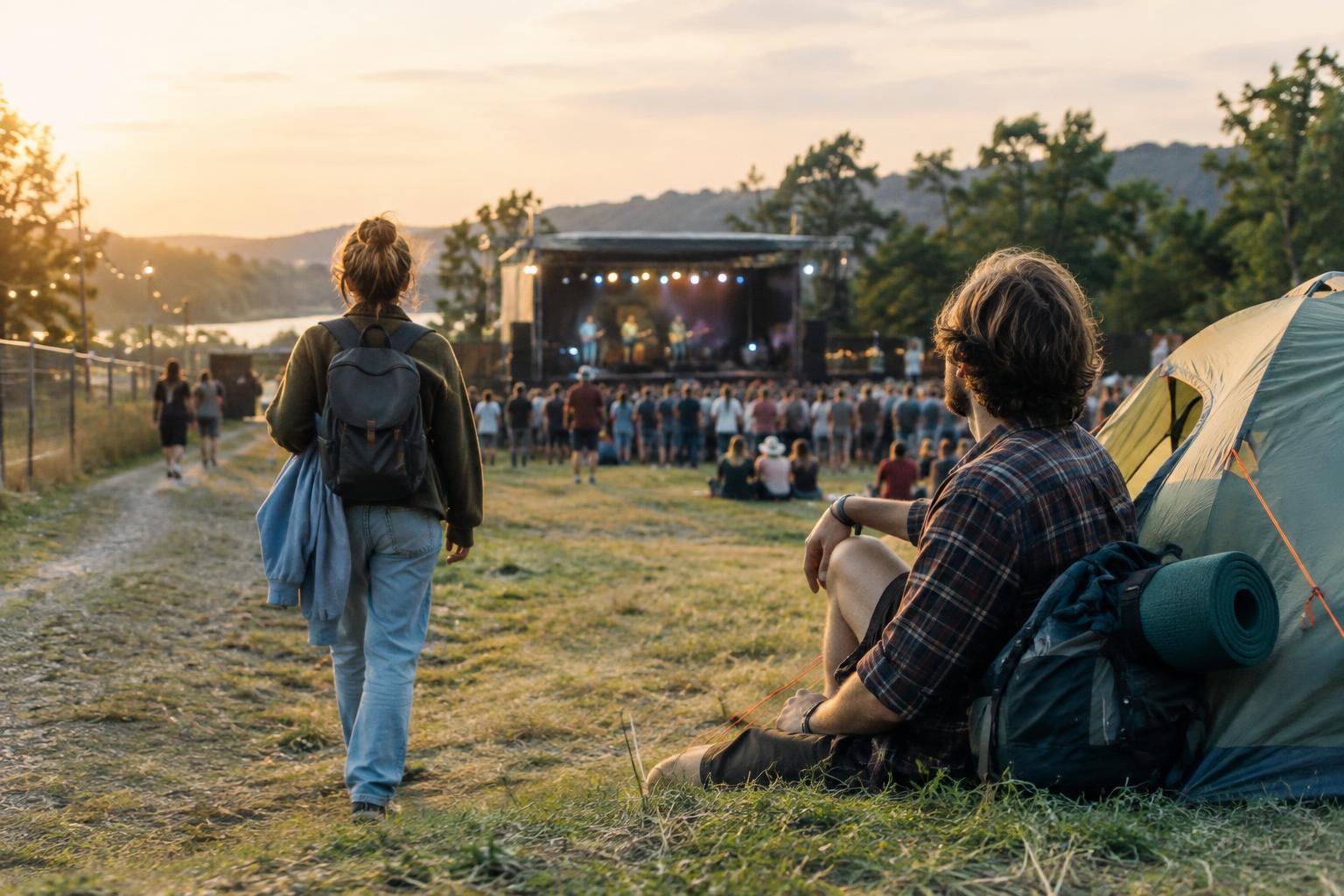
Camping reduces repeated travel and gives you somewhere on or near the site to pause, depending on the event’s layout and rules. It can also make it easier to stay for late performances without planning a trip home immediately afterward. But a campsite is rarely as quiet, dark, or comfortable as a bedroom. If poor sleep tends to make the next day difficult, that matters as much as the appeal of staying close to the music.
Count the whole cost, not just admission
To compare options fairly, sketch out the entire trip. A day festival may involve transport, parking, food, and perhaps accommodation if it is too far from home for a comfortable return. A camping festival may add a camping pass, equipment, supplies, and several days of meals. Borrowing suitable gear or traveling with friends might reduce some costs, but check what you can actually share before relying on that plan.
Time is part of the budget too. Camping takes preparation, a trip with more luggage, setting up, packing down, and cleaning or drying gear afterward. A day festival can be simpler to arrange, though a long journey after hours on your feet may be tiring. Compare the version of each trip you would realistically take, rather than an ideal version with no queues, forgotten items, or travel delays.
Think through comfort, access, and weather
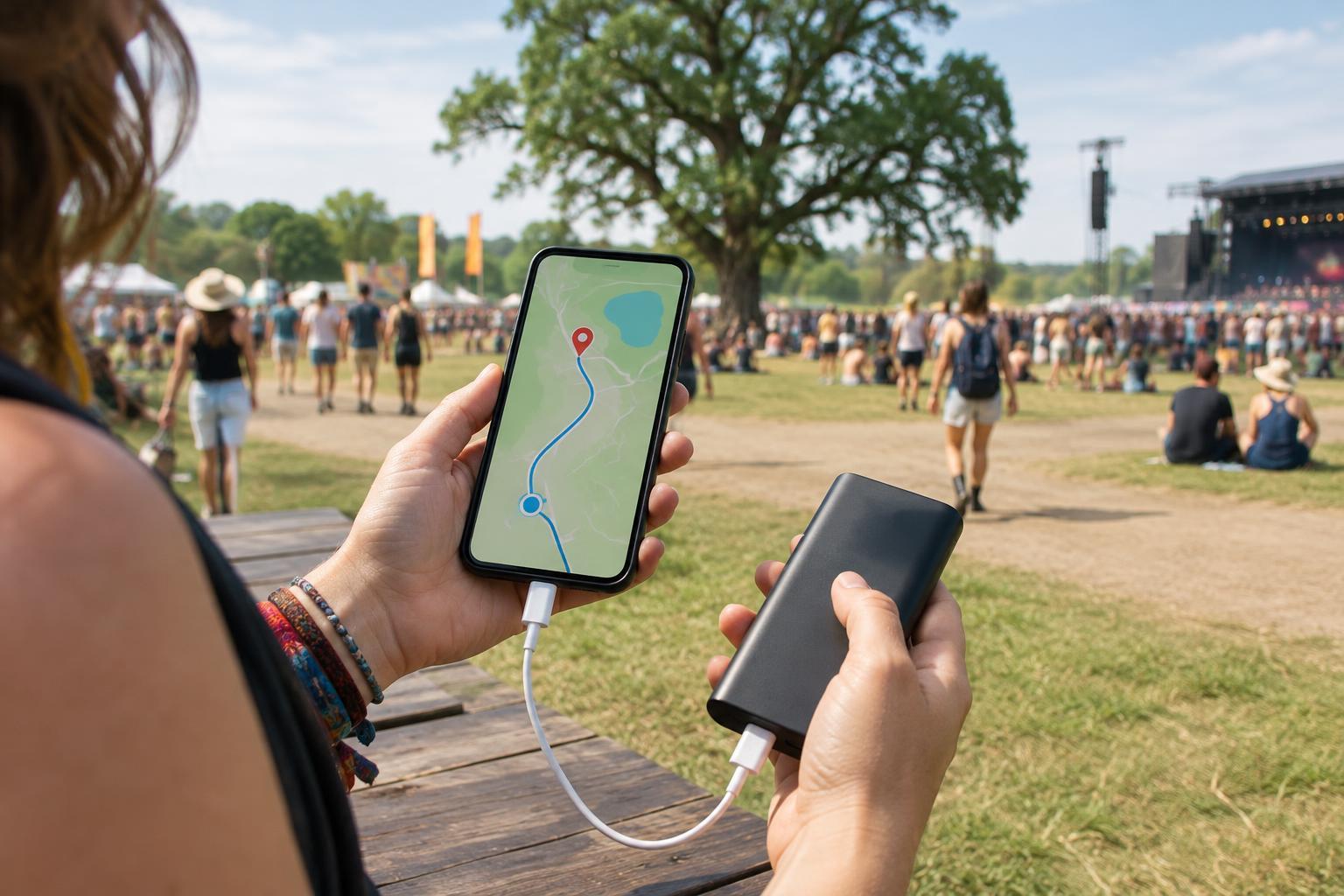
Festival sites vary, so look at the event’s own information before committing. For a day visit, consider how you will carry essentials, find water, take breaks, and get home. For camping, look for details about campsite distance, toilets, showers, charging options, and what equipment is permitted. If you have access needs, check the available routes and facilities directly with the organizer; a general campsite map may not answer your specific questions.
Weather affects both formats, but camping extends the time you spend managing it. A wet evening is different when you also need to keep bedding dry. Heat can make a tent uncomfortable during the day, while cool nights call for warmer layers even after a sunny afternoon. Plan for the conditions you might reasonably encounter, and be willing to choose the format that lets you enjoy the music without spending most of your energy staying comfortable.
Make the choice that leaves room to enjoy the music
Choose a day festival if your priority is a manageable outing, a few must-see acts, and a reliable place to rest afterward. Choose camping if you welcome the extra planning and want the shared downtime as well as the performances. If you are unsure, a shorter festival visit can help you learn how you handle crowds, walking, and long sets before taking on a camping trip.
Whichever you pick, agree on expectations with your companions. Some people want to move constantly between stages; others need unhurried meals and breaks. Talk about travel, spending, sleep, and what to do if your schedules diverge. The best format is not the one that promises the longest possible festival day. It is the one that gives you enough freedom and energy to listen, explore, and have a good time.