Trying to See Every Set
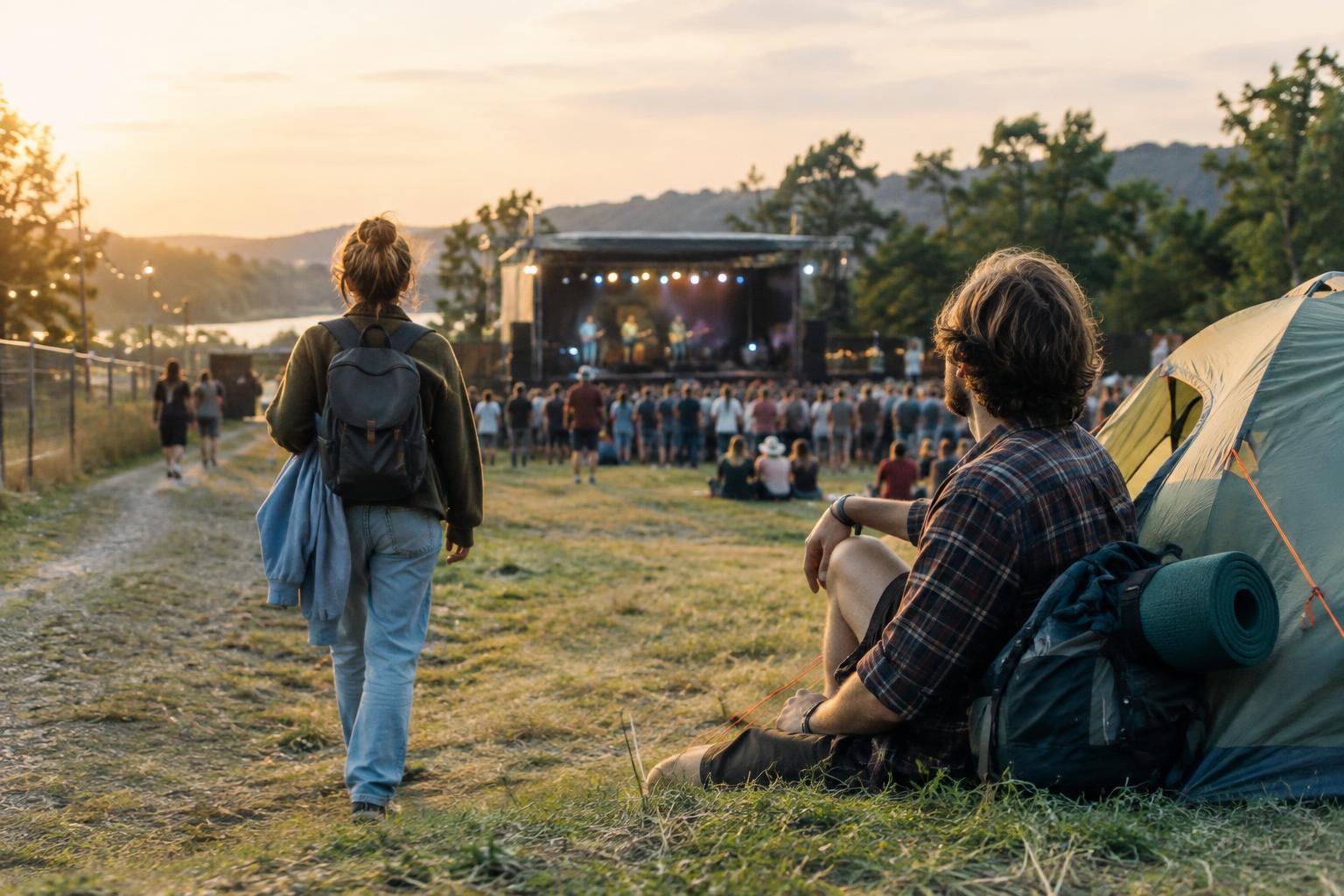
A festival lineup can make it tempting to build a minute-by-minute schedule. The problem is that a packed plan leaves little room for walking between stages, finding food, or taking a break. If two performances overlap, rushing from one to the other may mean missing the best part of both. Decide which few sets matter most to you, then treat the rest as options rather than obligations.
Before you go, check the festival’s official schedule and map, if available. Note where your priority acts are playing and allow time to get between stages. Keep a copy you can access without relying on a connection, since reception may be unreliable in a crowd. Once you arrive, give yourself permission to change plans: stumbling upon an unfamiliar artist can be one of the pleasures of a festival.
Packing for Every Possibility—or None of Them
First-timers often make one of two packing mistakes: carrying so much that moving around becomes tiring, or arriving without basic supplies. Start with the event’s current bag and prohibited-item rules rather than a generic packing list. Some sites have restrictions on bag size, outside food, chairs, or refillable bottles, and rules can differ even between similar events.
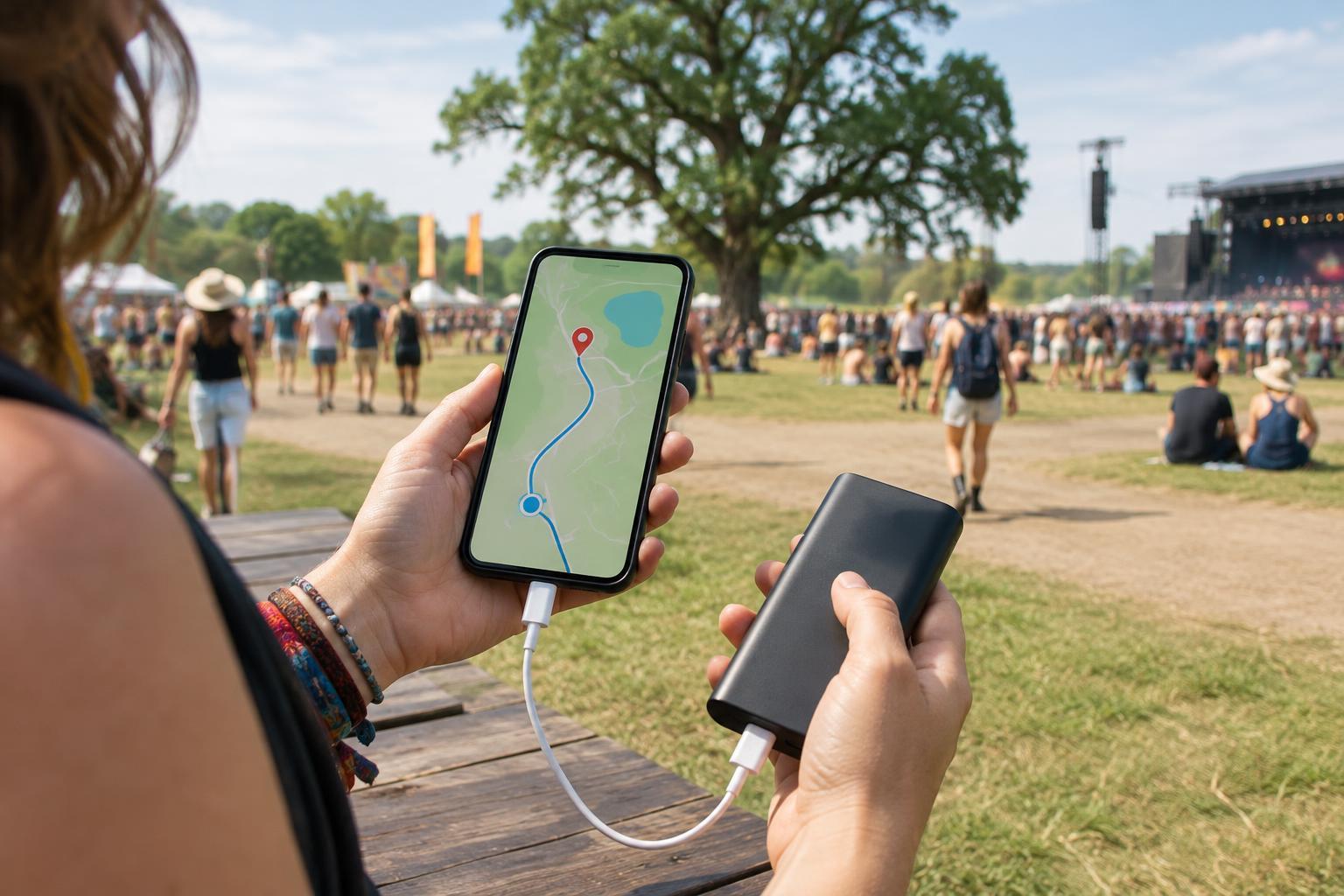
Pack for the conditions you reasonably expect, keeping essentials light and easy to reach. Depending on the venue and weather, useful items may include comfortable footwear, sun protection, a layer for later in the day, earplugs, a phone charger, and a permitted water bottle. If rain is possible, check whether a compact rain layer is allowed. Try carrying your bag on a walk before the event; if it already feels burdensome, reconsider what you need.
Leaving Travel and Entry Until the Last Minute
Buying a pass is not the same as having an arrival plan. Parking, transit stops, entrances, and pickup areas may be farther apart than they appear on a map. Read the festival’s official arrival information ahead of time and check how you will get home, not just how you will get there. If someone is collecting you, agree on a meeting point that does not depend on stopping beside the main entrance.
Leave a buffer for travel and entry, especially if you care about an early performance. Before you set off, make sure you can access any required pass, identification, or confirmation in the format the event accepts. Check what can and cannot be brought through the gate. Discovering that an item is prohibited while you are in the entry line can turn a small packing oversight into a stressful detour.
Forgetting Food, Water, and Breaks
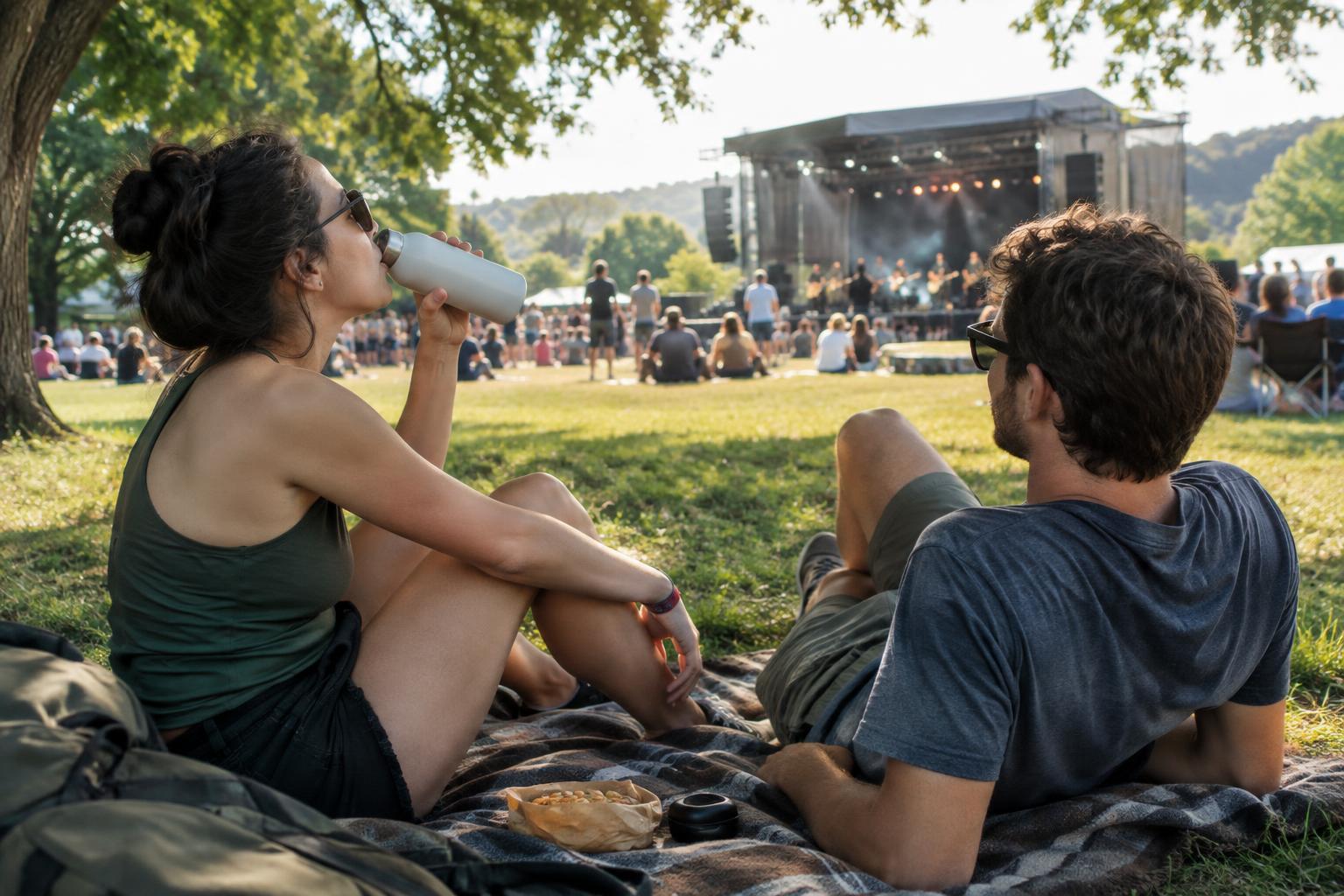
It is easy to plan around set times and forget the hours between them. Look at what food and water options the event says it provides, along with any rules about bringing your own. If you have particular dietary needs, consider your options before arriving rather than assuming every vendor will have something suitable. Keep your payment method accessible, but carry it securely.
Build pauses into the day instead of waiting until you feel worn out. A quieter spot to sit, drink water, and check the next set can make the rest of the festival more enjoyable. Protecting your hearing is worth planning for, too: earplugs are small, and you can choose where to stand based on what feels comfortable. You do not need to stay at the front of every crowd to have a memorable experience.
Assuming Your Group Will Stay Together
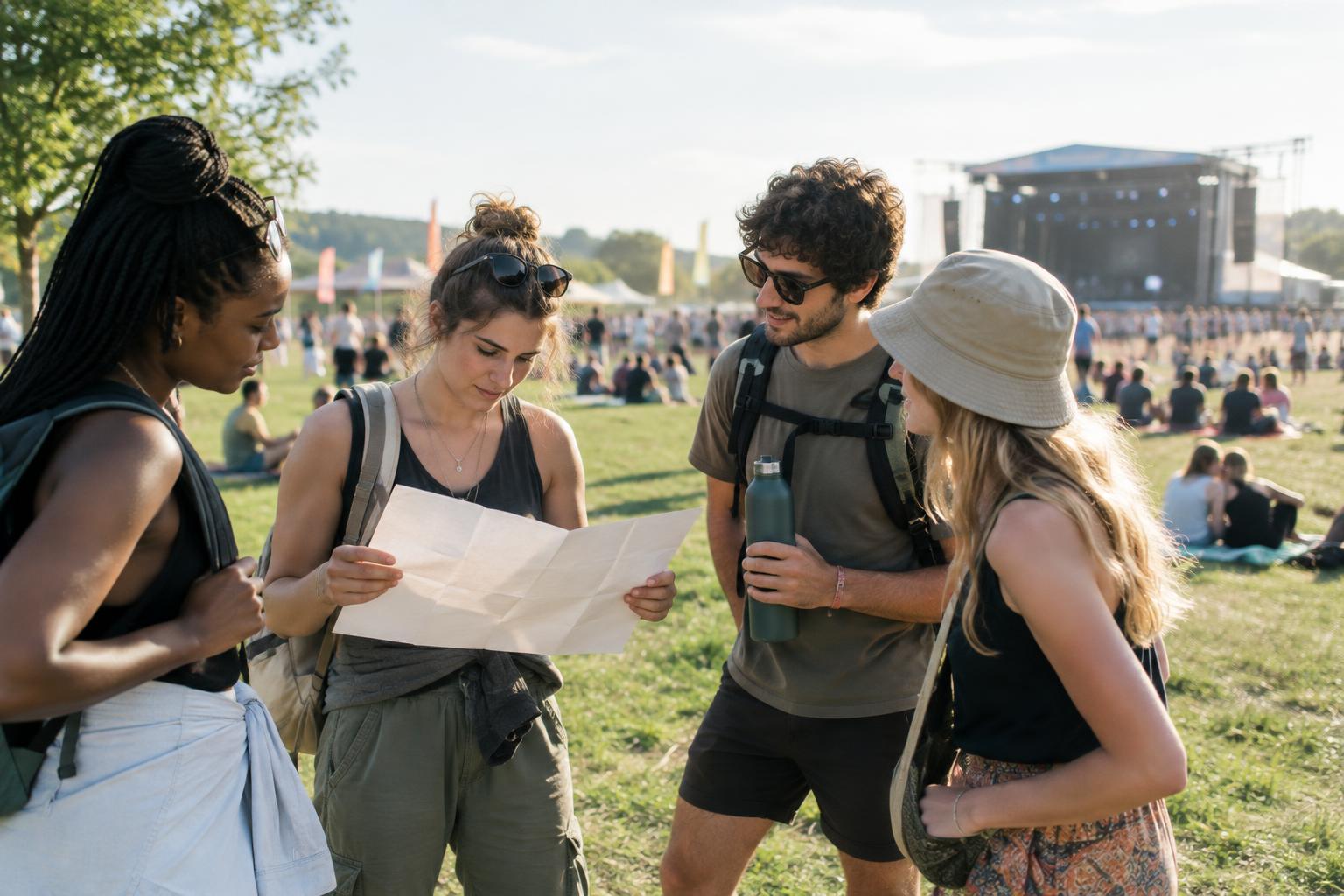
Friends can have different must-see acts, walking speeds, and ideas about when to eat. Discuss those differences before the festival instead of settling them in a noisy crowd. Pick a recognizable meeting place and agree on a time to reconnect if you split up. A specific landmark is more useful than saying “by the main stage,” particularly when many people are trying to meet there.
It also helps to agree on what to do if messages do not go through. Keep the plan simple enough that everyone can remember it, and make sure each person has the information they need to travel home independently if necessary. Planning together does not mean spending every minute together. A little flexibility lets everyone follow the music they came to hear—and gives you more to talk about afterward.